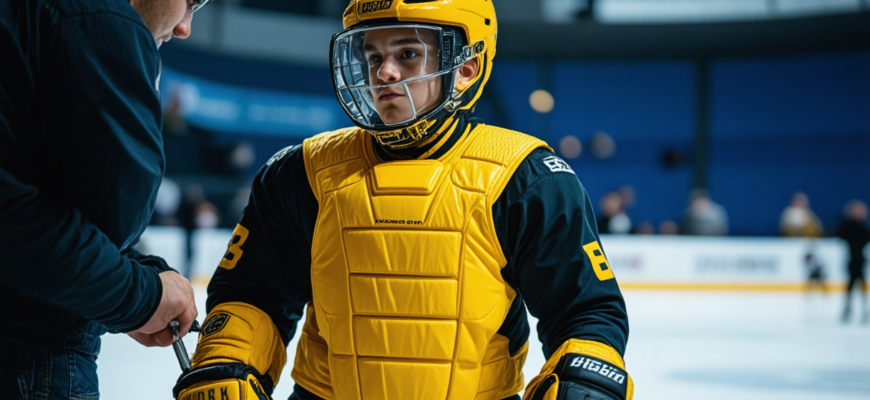
Playing hockey is an exhilarating and physically demanding sport that requires not only skill and agility but also proper safety gear management. Ensuring that your helmet and pads are worn correctly is crucial in minimizing the risk of injuries and enjoying the game to its fullest. This comprehensive guide provides detailed instructions and best practices for amateur hockey players to wear their protective gear safely and effectively. From choosing the right equipment to adjusting fittings for maximum protection, this article covers everything you need to know.
- Understanding the Importance of Proper Safety Gear Usage
- Choosing the Right Equipment
- Helmet
- Pads and Protective Gear
- Properly Wearing the Helmet
- Step-by-Step Guide
- Safety Tips for Helmet Use
- Wearing Pads Correctly
- Shoulder Pads
- Elbow Pads
- Shin Guards
- Padded Shorts and Other Gear
- Ensuring Optimal Fit and Safety
- General Fitting Tips
- Common Mistakes to Avoid
- Additional Recommendations for Safe Hockey Practice
- Regular Self-Check and Maintenance
- Use Proper Techniques on the Ice
- Adhere to League and Safety Regulations
- Summary Table: Correct Wearing of Hockey Gear
Understanding the Importance of Proper Safety Gear Usage
Safety gear in hockey isn’t just a matter of appearance; it is a vital line of defense against potential injuries. Properly worn helmet and pads can significantly reduce the severity of impacts caused by falls, collisions, or puck strikes. Incorrect gear placement or poor fit can expose players to risks such as concussions, fractures, bruises, and other serious injuries. Therefore, mastering the correct way to wear hockey gear is essential, especially for amateurs who might not have access to professional coaching on gear fitting.
Choosing the Right Equipment
Helmet
Choosing a helmet that fits well and meets safety standards is the first step. Look for certifications such as CSA, HECC, or CE, which ensure the helmet has undergone safety testing. The helmet should fit snugly without causing discomfort or restricting movement. Key factors include:
- Size and Fit: Measure head circumference at the widest point and consult sizing charts.
- Adjustability: Ensure the helmet has adjustable straps and a secure retention system.
- Padding: Adequate padding inside the helmet provides comfort and impact absorption.
Pads and Protective Gear
Hockey pads encompass shoulder pads, elbow pads, shin guards, and padded shorts. Selecting gear that fits properly and covers key areas is essential. Consider:
- Material: High-density foam and plastic shells offer optimal impact resistance.
- Size: Choose gear labeled for your body measurements for a snug fit.
- Comfort and Mobility: Gear should provide protection without restricting movement.
Properly Wearing the Helmet
Step-by-Step Guide
- Positioning: Place the helmet squarely on your head, ensuring it sits level from front to back.
- Adjusting Straps: Fasten the chin strap securely so that it fits snugly without causing discomfort or restricting breathing.
- Fit Check: Gently shake your head; the helmet should move minimally but not cause discomfort.
- Padding Adjustment: Ensure internal padding conforms closely to your head contours for comfort and protection.
Safety Tips for Helmet Use
- Never wear a damaged helmet; replace it immediately.
- Check helmet straps regularly for wear and tear.
- Replace your helmet after any significant impact, even if no visible damage appears.
- Ensure proper ventilation to prevent overheating during play.
Wearing Pads Correctly
Shoulder Pads
Proper placement of shoulder pads protects the shoulders, collarbone, and chest area. Follow these steps:
- Slip the shoulder pads over your head, ensuring that the adjustable straps are at the front.
- Secure the straps around your chest, tightening for a snug fit but not restricting movement.
- Make sure the pads extend from the collarbone down to the upper arms.
Elbow Pads
Elbow pads should cover the elbow joint entirely and stay in place during play:
- Slide the pads onto your arms aligning the elbow cap directly over the joint.
- Adjust the straps around your biceps and forearms for a tight fit.
- Confirm that the pads don’t slide out of position when flexing or extending the arms.
Shin Guards
Protecting your shins is vital for preventing injuries from pucks, sticks, or falls:
- Place the toe of the guard into your skate or sock.
- Wrap the straps around your calf, securing them firmly without cutting off circulation.
- Ensure the shin guard overlaps the top of your skate for maximum coverage.
Padded Shorts and Other Gear
Padded shorts protect your hips, tailbone, and thighs. Put them on like regular shorts, adjusting straps to ensure they stay in place. Additional protective gear, such as neck guards or jock straps, should be worn according to personal preference and league regulations, always ensuring a secure fit.
Ensuring Optimal Fit and Safety
General Fitting Tips
- Always try gear on before purchasing to verify fit and comfort.
- A tight fit is essential but shouldn’t cause pain or restrict circulation.
- Use adjustable straps and laces to customize the fit for your body.
- Check your gear regularly for signs of wear and replace when necessary.
Common Mistakes to Avoid
- Wearing gear that is too loose or too tight.
- Not securing straps properly, causing gear to shift during play.
- Using damaged or expired equipment.
- Ignoring manufacturer instructions for fitting and maintenance.
Additional Recommendations for Safe Hockey Practice
Regular Self-Check and Maintenance
In addition to proper wear, it’s essential to regularly inspect your gear for damage, cracks, or broken straps. Clean gear after each session to prevent bacterial growth and prolong its lifespan. Replacing items such as helmet liners or padding is necessary when they lose their cushioning properties.
Use Proper Techniques on the Ice
Always adhere to safe playing techniques, including avoiding dangerous hits or checks if untrained, and respecting the safety of opponents. Communicate clearly with teammates and opponents to prevent collisions.
Adhere to League and Safety Regulations
Follow all rules concerning safety gear standards and usage set by your local league or hockey association. This ensures not only your safety but also the compliance of the entire team.
Summary Table: Correct Wearing of Hockey Gear
| Gear Type | Key Steps | Common Mistakes | Safety Tips |
|---|---|---|---|
| Helmet | Level position, secure straps, proper padding | Loose fit, damaged helmet | Replace after impact, check straps regularly |
| Shoulder Pads | Over the shoulders, snug straps, extended coverage | Too loose, incomplete coverage | Adjust straps, ensure coverage of collarbone |
| Elbow Pads | Elbow joint aligned, tight straps | Sliding down, tightness issues | Secure straps, verify fit during movement |
| Shin Guards | Over skate, straps tight, full coverage | Sliding upward, inadequate protection | Adjust straps, overlap with skate tops |
Properly wearing your helmet and pads is fundamental for safety and confidence during amateur hockey games. The right fit, secure fastening, and regular maintenance of protective gear can markedly reduce injury risks and improve overall gameplay. Remember that safety comes first, and taking the time to learn and practice correct gear fitting is an investment in health, durability, and enjoyment of hockey. By following the detailed guidelines outlined above, amateur players can ensure they are protected and prepared for every match or practice session. Play smart, stay safe!