
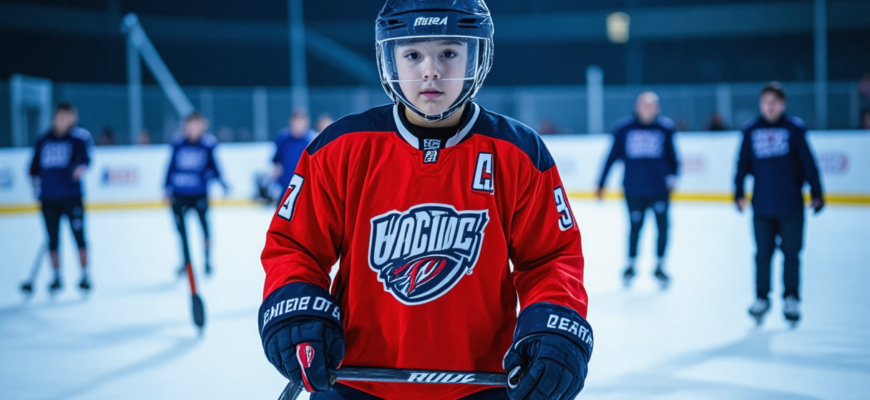
Starting out in ice hockey can be an exhilarating yet intimidating experience for new players. Many amateurs face initial fears such as falling on the ice, handling a stick, or getting hit by a puck. These fears are natural but can be overcome with proper preparation, mental strategies, and incremental learning. This comprehensive guide will explore effective methods for overcoming initial fears on the ice, helping newcomers gain confidence and enjoy the game safely and enthusiastically.
- Understanding the Root of Ice Hockey Fears
- Common Concerns Among Beginners
- The Psychology Behind Fears
- Preparatory Measures to Reduce Anxiety
- Start with Proper Gear and Equipment
- Begin on the Ice in a Controlled Environment
- Learn and Practice Basic Skating Skills First
- Progressive Training Techniques to Overcome Fear
- Step-by-Step Approach to Building Confidence
- Utilize Visual and Mental Imagery
- Technical Tips for Building Comfort and Control
- Proper Skating Technique
- Handling the Hockey Stick
- Safety and Emergency Preparedness
- Understanding the Rules and Safety Guidelines
- Partner and Coach Support
- Additional Strategies to Overcome Fear
- Set Small, Achievable Goals
- Maintain a Positive Mindset
- Consistent Practice and Patience
- Sample Training Plan for Beginners
- Week 1-2: Foundations
- Week 3-4: Building Skills
- Week 5 and Beyond: Confidence & Enjoyment
- Additional Resources
Understanding the Root of Ice Hockey Fears
Common Concerns Among Beginners
- Fear of falling and injury
- Fear of being hit by the puck or stick
- Fear of losing balance or control
- Fear of not knowing how to skate properly
- Fear of embarrassing oneself in front of others
The Psychology Behind Fears
Fears often stem from uncertainty and lack of experience. The unfamiliar environment combined with the speed and physicality of ice hockey can trigger anxiety. Understanding that these feelings are normal can help in building resilience and motivation to learn.
Preparatory Measures to Reduce Anxiety
Start with Proper Gear and Equipment
Wearing appropriate protective gear not only ensures safety but also provides psychological comfort. Essential equipment includes:
- Helmet with face shield or cage
- Shoulder pads
- Elbow pads
- Gloves
- Hockey pants and padded shorts
- Skates perfect for the foot size and comfort
Investing in high-quality gear and ensuring proper fit can significantly decrease the fear of injury and boost confidence.
Begin on the Ice in a Controlled Environment
Instead of jumping straight into crowded rinks, start in a practice zone or shallow ice areas designed for beginners. These spaces allow new players to familiarize themselves with the ice surface at their own pace, reducing anxiety caused by the intimidating environment.
Learn and Practice Basic Skating Skills First
Comfortable skating is the foundation of playing ice hockey. Before engaging in full-fledged practice, spend time mastering basic movements:
- Walking on skates
- Gliding forward and backward
- Stopping safely
- Turning and maneuvering
With solid skating skills, the fear of falling diminishes significantly, and players feel more in control on the ice.
Progressive Training Techniques to Overcome Fear
Step-by-Step Approach to Building Confidence
- Warm-up and Stretching: Prepare muscles to prevent injury and reduce fear of strain.
- Introduction to Puck Handling: Practice handling a puck gently on a flat surface or ice, starting with simple passes and shots.
- Controlled Fall Practice: Learn how to fall and get up safely, a vital skill that reduces fear of injury.
- Participation in Small Drills: Start with basic drills in a controlled environment with minimal contact.
- Gradual Exposure to Full Contact: As confidence grows, introduce initial contact exercises under supervision.
Utilize Visual and Mental Imagery
Visualizing successful actions on ice can mentally prepare a player, reducing anxiety. Imagine yourself gliding smoothly, passing accurately, and avoiding falls. This mental rehearsal fosters positive expectations and diminishes fear.
Technical Tips for Building Comfort and Control
Proper Skating Technique
| Aspect | Tip |
|---|---|
| Balance | Keep knees slightly bent and center weight over skates for stability. |
| Stride | Push off with the entire blade, extending the leg fully for smooth movement. |
| Stopping | Practice T-stop or hockey stop in a controlled manner to prevent sudden falls. |
| Turning | Shift weight smoothly and lean into turns for better control. |
Handling the Hockey Stick
Getting comfortable with stick handling reduces fear of mishandling the puck or hitting others. Tips include:
- Maintain a relaxed grip
- Practice basic stick handling drills
- Start with soft touches and increase intensity gradually
- Always be aware of your surroundings while handling the puck
Safety and Emergency Preparedness
Understanding the Rules and Safety Guidelines
Knowledge of basic game rules and safety protocols helps in reducing uncertainty. This includes understanding:
- Proper etiquette on the ice
- How to respond in case of an injury
- Signs of unsafe play and how to communicate
Partner and Coach Support
Playing with supportive teammates and under supervision of experienced coaches boosts confidence. They can provide constructive feedback and encouragement, making the learning process less intimidating.
Additional Strategies to Overcome Fear
Set Small, Achievable Goals
Breaking down the learning process into manageable steps helps players experience progress, which is motivating. Examples include:
- Skate 10 meters without falling
- Complete five passes in a row
- Stop safely without assistance
- Handle the puck confidently in drills
Maintain a Positive Mindset
Focus on accomplishments rather than mistakes. Celebrate small victories and ignore setbacks. Developing resilience is crucial for overcoming initial fears.
Consistent Practice and Patience
Regular practice builds muscle memory and confidence. Patience is key; progress may be slow at first but will accelerate with perseverance.
Sample Training Plan for Beginners
Week 1-2: Foundations
- Familiarize with gear and safety equipment
- Basic skating techniques (balance, gliding, stopping)
- Simple puck handling drills
Week 3-4: Building Skills
- Advanced skating maneuvers
- Introduction to passing and shooting
- Mini-games with controlled contact
Week 5 and Beyond: Confidence & Enjoyment
- Participate in informal scrimmages
- Focus on fun and teamwork
- Set new personal goals
Overcoming initial fears in ice hockey is an achievable goal with deliberate practice, proper safety measures, and mental resilience. Recognizing that fear is a natural part of learning and addressing it step-by-step through progressive training techniques can lead to increased confidence and a lasting love for the game. Embracing a positive attitude, setting realistic goals, and seeking support from experienced players and coaches will pave the way for a successful and enjoyable hockey journey. Remember, every expert was once a beginner, and the ice is a place for growth, challenge, and fun!
Additional Resources
- Basic skating tutorials
- Puck handling drills for beginners
- Safety equipment guide
- Mental preparation for sports
Похожие записи:
 Mastering Hockey Stick Handling: Essential Techniques for Beginners
  How to Stay Motivated as a Beginner Hockey Player: Tips for Amateur Enthusiasts
  Mastering the Art of Following a Hockey Game’s Flow: Essential Tips for Amateur Players to Improve Awareness
  Starting with Beginner-Friendly Hockey Drills: A Complete Guide for Amateur Players
  Building Confidence in Your Skating and Puck Skills: A Complete Guide for Amateur Hockey Players
  Mastering the Ice: A Comprehensive Guide to the Basic Rules of Ice Hockey for Beginners
  Mastering the Art of Effective Ice Stops: Essential Techniques for Amateur Hockey Players
  Mastering Passing and Receiving the Puck: Essential Skills for Amateur Hockey Players
  Mastering Concentration: Proven Tips to Maintain Mental Focus During Hockey Games
  Mastering the Ice: Essential Hockey Etiquette and Sportsmanship for Amateur Players
  Mastering the Ice: Basic Skating Techniques Every New Hockey Player Must Know
  Basic Strategies for Beginner Hockey Players: A Complete Guide for Amateur Enthusiasts
  Mastering Speed and Control in Skating: The Ultimate Guide for Amateur Hockey Players
  Mastering Hockey: How Watching Online Tutorials and Videos Can Elevate Your Game for Amateur Players
  Mastering Hockey Shooting Techniques from Different Angles: A Guide for Amateurs
  The Surprising Benefits of Playing Small-Area Hockey for Amateur Players