
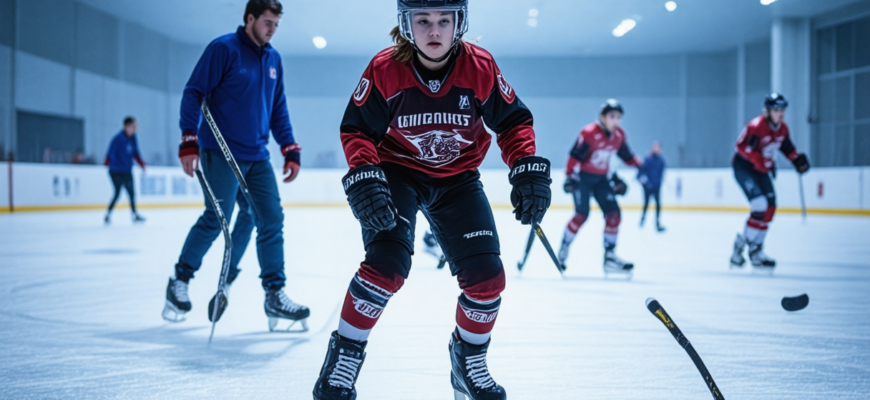
For many amateur hockey enthusiasts, mastering skating and puck control is the cornerstone of improving their overall game. Confidence on the ice not only elevates performance but also transforms a hesitant player into a decisive, skilled athlete. Whether you’re just starting out or working to refine existing skills, building self-assurance in skating and puck handling is essential. This comprehensive guide explores proven methods, training routines, and mental techniques to help you develop unwavering confidence in your hockey skills.
- Understanding the Importance of Confidence in Hockey
- Foundational Skills Essential for Confidence
- Skating Fundamentals
- Puck Control Basics
- Training Techniques to Boost Confidence
- Structured Practice Regimens
- Use of Training Aids and Equipment
- Video Analysis and Feedback
- Progression Strategies for Increasing Difficulty
- Gradual Difficulty Increase
- Setting Achievable Goals
- Developing Mental Toughness and Confidence
- Positive Mindset and Visualization
- Overcoming Fear and Anxiety
- Growth Mindset Approach
- Practical Tips for Improving on Ice Confidence
- Practice Regularly with Purpose
- Start Small, Think Big
- Use Mental Reinforcement
- Focus on Technique, Not Just Results
- Common Challenges and How to Overcome Them
- Fear of Mistakes
- Plateauing Skills Development
- Maintaining Motivation
- Sample Training Schedule for Building Confidence
- Measuring Progress and Celebrating Success
Understanding the Importance of Confidence in Hockey
Hockey is a fast-paced and physically demanding sport that requires a combination of technical skills and psychological readiness. Confidence influences decision-making, reaction time, and overall performance. A confident player is more likely to take risks, execute plays effectively, and maintain composure under pressure.
Conversely, lack of confidence can lead to hesitation, missed opportunities, and increased errors. Therefore, the process of building confidence involves developing solid foundational skills, gaining practical experience, and cultivating a strong mental attitude.
Foundational Skills Essential for Confidence
Skating Fundamentals
Skating is the backbone of hockey performance. Improving fundamental skating skills enhances stability, agility, and speed, directly boosting confidence. Essential skate skills include:
- Forward and backward skating: Ability to skate fluidly in both directions.
- C-curve turns: Sharp turns that improve agility.
- Stopping techniques: Hockey stops, T-stops, and plow stops for safety and control.
- Edge control: Mastering inside and outside edges for better maneuverability.
Puck Control Basics
Proficiency in puck handling allows players to execute plays confidently and avoid turnovers. Key skills involve:
- Stickhandling: Maintaining puck control while moving in different directions.
- Passing and receiving: Accurate and quick passes with proper receiving techniques.
- Shooting: Developing power, accuracy, and variation in shots.
- Deception moves: Fake shots, dummies, and quick pivots to elude opponents.
Training Techniques to Boost Confidence
Structured Practice Regimens
Consistent, well-structured training is vital for progress. Focus on isolating specific skills during practice and gradually increasing difficulty. For example:
- Skating drills: Cone weaving, speed skating, edge work exercises.
- Puck handling drills: Stationary puck drills, slow speed stickhandling, and obstacle navigation.
- Game-like scenarios: Small-sided games, odd-man rushes, and mock drills to simulate real match situations.
Use of Training Aids and Equipment
Enhance training with tools such as:
- Edge trainers: Improve edge control and balance.
- Puck guides: Assist in developing consistent puck control.
- Speed ladders and cones: Improve agility and footwork.
Video Analysis and Feedback
Recording training sessions and reviewing footage provides valuable insight into technique. Visual feedback helps correct errors and reinforce successful habits, leading to increased confidence.
Progression Strategies for Increasing Difficulty
Gradual Difficulty Increase
Building confidence involves incrementally challenging oneself. Starting with basic drills and gradually adding complexity ensures a sense of achievement at each stage, reducing frustration and fear. Examples include:
- Moving from stationary puck control to skating while handling the puck.
- Integrating resistance bands to increase strength during puck handling.
- Simulating game pressure with defenders and timed drills.
Setting Achievable Goals
Progression is reinforced through goal setting. Break down skill mastery into manageable milestones, such as:
- Completing a certain number of successful pulls in puck handling drills.
- Maintaining balance during skating for a specific duration.
- Successfully executing a new shot technique in practice.
Developing Mental Toughness and Confidence
Positive Mindset and Visualization
Confidence stems greatly from mental preparation. Visualization techniques involve imagining successful execution of skills and plays before performing them. Repetition of these mental images fosters self-belief.
Overcoming Fear and Anxiety
Fear of failure or injury can hinder performance. Strategies include:
- Focusing on progress rather than perfection.
- Deep breathing exercises to manage nervousness.
- Reminding oneself of past successes and improvements.
Growth Mindset Approach
Adopting a growth mindset encourages players to view mistakes as opportunities for learning rather than failures. This perspective reduces fear of errors and promotes resilience.
Practical Tips for Improving on Ice Confidence
Practice Regularly with Purpose
Consistency is key. Regular sessions that focus on specific skills prevent stagnation and reinforce muscle memory. Incorporate both isolated drills and game-like situations.
Start Small, Think Big
Master basic skills before progressing to complex drills. Building a solid foundation creates a sense of competence that fuels confidence for advanced techniques.
Use Mental Reinforcement
Affirmations such as “I am capable,” “I handle the puck confidently,” or “I skate smoothly” reinforce positive self-view. Repeating affirmations can rewire the subconscious for increased self-assurance.
Focus on Technique, Not Just Results
Prioritize proper technique over speed or power in early stages. Ensuring correct form builds reliable skills and prevents developing bad habits, thus boosting confidence in performance.
Common Challenges and How to Overcome Them
Fear of Mistakes
Common among beginners and even advanced players, fear of errors can inhibit performance. Embrace mistakes as part of learning. Keep practicing even when errors occur, and review what went wrong to improve.
Plateauing Skills Development
Hitting a plateau can be discouraging. To overcome this, modify your training routine, incorporate new drills, or seek feedback from coaches or peers. Persistence and variety often break stagnation.
Maintaining Motivation
Set short-term goals, celebrate small victories, and track progress over time. Recognizing improvement fuels motivation and confidence.
Sample Training Schedule for Building Confidence
| Day | Focus Area | Activities |
|---|---|---|
| Monday | Skating Skills |
|
| Tuesday | Puck Handling |
|
| Wednesday | Game Simulation |
|
| Thursday | Self-Assessment & Review |
|
| Friday | Strength & Conditioning |
|
| Saturday | Active Recovery & Mental Training |
|
| Sunday | Rest or Fun Play | Free skating or playing for enjoyment |
Measuring Progress and Celebrating Success
Tracking your growth helps maintain motivation and provides tangible evidence of improvement. Use training logs, skill checklists, or video recordings to assess progress over time.
Celebrating small victories, such as successfully executing a new move or increasing puck handling duration, reinforces positive feelings and confidence. Gradually, these accomplishments compound, transforming hesitant players into confident hockey enthusiasts.
Building confidence in skating and puck skills is an ongoing journey that combines technical practice, mental preparation, and perseverance. By focusing on foundational skills, gradually increasing difficulty, and nurturing a positive mindset, amateur hockey players can significantly improve their self-assurance on the ice. With consistent effort and strategic training, even the most novice players can elevate their game and enjoy hockey with greater confidence and enjoyment.
Похожие записи:
 Mastering Speed and Control in Skating: The Ultimate Guide for Amateur Hockey Players
  Mastering Passing and Receiving the Puck: Essential Skills for Amateur Hockey Players
  Incorporating Fun Drills to Enhance Hockey Skills: A Guide for Amateur Players
  Starting with Beginner-Friendly Hockey Drills: A Complete Guide for Amateur Players
  Basic Strategies for Beginner Hockey Players: A Complete Guide for Amateur Enthusiasts
  Conquer Your First Ice Hockey Fears: Essential Tips for Beginners
  How to Wear Your Helmet and Pads Safely: A Complete Guide for Amateur Hockey Players
  Mastering the Ice: Basic Skating Techniques Every New Hockey Player Must Know
  Mastering Hockey: How Watching Online Tutorials and Videos Can Elevate Your Game for Amateur Players
  How to Stay Motivated as a Beginner Hockey Player: Tips for Amateur Enthusiasts
  Mastering the Art of Following a Hockey Game’s Flow: Essential Tips for Amateur Players to Improve Awareness
  Mastering the Art of Anticipation: How Amateur Hockey Players Can Predict Opponents’ Moves
  Simple and Effective Ways to Improve Your Balance on Skates for Amateur Hockey Players
  Mastering Concentration: Proven Tips to Maintain Mental Focus During Hockey Games
  The Surprising Benefits of Playing Small-Area Hockey for Amateur Players
  Mastering the Art of Effective Ice Stops: Essential Techniques for Amateur Hockey Players