
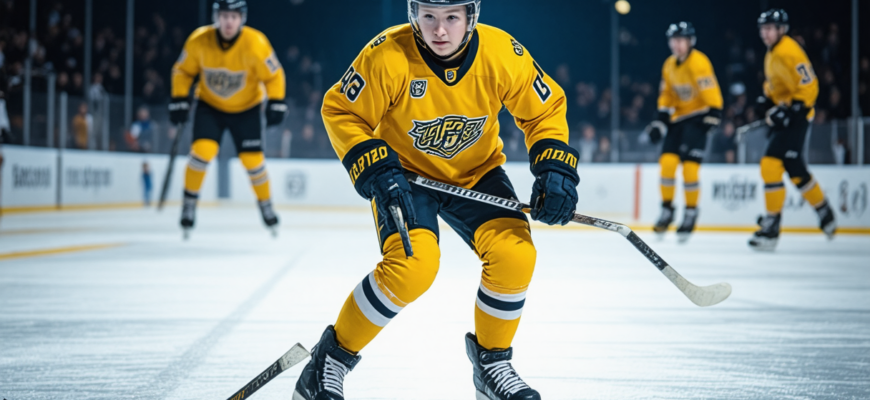
Hockey is a fast-paced, exciting sport that combines skill, agility, and teamwork. For beginners stepping onto the ice for the first time, understanding and applying fundamental strategies can significantly enhance performance and enjoyment. Whether you aim to improve individual skills or contribute more effectively to your team, mastering basic strategies is essential. This comprehensive guide explores the core tactics, positioning, and gameplay approaches tailored specifically for novice hockey players seeking to develop a solid foundation.
- Understanding the Fundamentals of Hockey Strategy
- Core Principles of Hockey Strategy
- Essential Skills for Beginners
- Skating and Mobility
- Stickhandling and Puck Control
- Passing and Shooting
- Basic Defensive Strategies for Beginners
- Positioning and Zone Coverage
- Emphasizing Stick Checks and Body Positioning
- Supporting the Defense
- Offensive Strategies for Beginners
- Forechecking and Pressuring the Opponent
- Cycle Plays and Support Movement
- Shot Selection and Rebounds
- Strategic Positioning and Movement on Ice
- The Basic Ice Layout
- Player Roles and Responsibilities
- Practical Drills to Develop Basic Strategies
- 1. Skating and Puck Control Drill
- 2. Passing and Shooting Practice
- 3. Defensive Positioning Exercise
- 4. Small-Sided Games
- Tips for Implementing Strategies Effectively
Understanding the Fundamentals of Hockey Strategy
Before diving into specific strategies, it is crucial to understand the basic principles that underpin successful hockey play. Unlike many sports, hockey demands rapid decision-making, precise coordination, and an awareness of both aggressive and defensive responsibilities. Consequently, effective strategies often revolve around maintaining puck control, positioning, and teamwork.
Core Principles of Hockey Strategy
- Control of the puck: Maintaining possession to create scoring chances and dictate the pace of the game.
- Effective positioning: Playing smart on the ice to both defend and attack efficiently.
- Teamwork and communication: Coordinating with teammates to execute plays and cover opponents.
- Adapting to game dynamics: Adjusting tactics based on game flow and opponent strengths.
Essential Skills for Beginners
Proficiency in basic skills serves as the foundation for applying strategic principles. These include skating, stickhandling, passing, shooting, and situational awareness. Developing these skills allows players to implement strategies more effectively during gameplay.
Skating and Mobility
Skating is fundamental; without agility and speed, executing strategic movements becomes impossible. Beginners should focus on balance, stride efficiency, and edge control to enhance mobility on ice.
Stickhandling and Puck Control
Mastering stickhandling involves controlling the puck while maintaining awareness of surroundings. This skill enables players to create openings, evade opponents, and set up plays.
Passing and Shooting
Accurate passing ensures smooth team play and maintains puck possession. Shooting technique increases scoring potential, which is integral to offensive strategies.
Basic Defensive Strategies for Beginners
Defense in hockey revolves around preventing opponents from scoring while protecting your own net. For beginners, understanding positioning and anticipation are key.
Positioning and Zone Coverage
Proper positioning involves maintaining a defensive stance, keeping gaps tight, and staying between the puck carrier and the goal. Players should learn to cover their assigned zones efficiently, minimizing open space for opponents.
Emphasizing Stick Checks and Body Positioning
Body positioning disrupts the opponent’s play without penalties. Using stick checks to intercept passes and controlling body angles can lead to turnovers and rapid counterattacks.
Supporting the Defense
Defenders should work cohesively with teammates, providing support and communicating effectively to close gaps and prevent odd-man rushes.
Offensive Strategies for Beginners
Offensive tactics help create scoring opportunities and keep pressure on the opposing team. For novices, basic concepts such as forechecking, cycle plays, and shot selection are vital.
Forechecking and Pressuring the Opponent
Applying pressure high in the offensive zone can force turnovers and regain puck possession. The main types include:
- One-man forecheck: A single forward pressures the puck carrier.
- Double-team forecheck: Two players collaboratively pressure the puck.
- Pressure-in-place: Staying tight to block passing lanes without rushing too far forward.
Cycle Plays and Support Movement
Cycle plays involve players passing the puck around the boards or behind the net, creating scoring lanes. Proper support positioning ensures smooth puck movement and shooting chances.
Shot Selection and Rebounds
Choosing the right moment to shoot and controlling rebounds are crucial offensive tactics. Beginners should aim for accurate shots and be ready to capitalize on rebounds.
Strategic Positioning and Movement on Ice
Positioning is at the core of both offensive and defensive play. Effective movement relies on understanding optimal zones and maintaining awareness of teammates and opponents.
The Basic Ice Layout
Ice is divided into three main zones:
- Defensive zone: Near your own net.
- Neutral zone: The middle of the ice.
- Offensive zone: Near the opponent’s net.
Player Roles and Responsibilities
| Position | Main Responsibilities |
|---|---|
| Forward | Create scoring chances, apply forechecking pressure, and support defense when needed. |
| Defender | Protect the goal, block shots, and facilitate puck clearing from the defensive zone. |
| Goalie | Prevent the puck from entering the net through saves and positioning awareness. |
Practical Drills to Develop Basic Strategies
Consistent practice of strategic concepts through drills accelerates learning. Here are some beginner-friendly drills to incorporate into training routines:
1. Skating and Puck Control Drill
- Set up cones in a zigzag pattern.
- Skate through cones while controlling the puck with stickhandling.
- Focus on speed, balance, and puck control.
2. Passing and Shooting Practice
- Partner up and practice passing from different angles.
- Follow with quick shots on goal, aiming for accuracy.
3. Defensive Positioning Exercise
- Simulate one-on-one defending scenarios.
- Practice maintaining proper positioning and applying light body checks.
4. Small-Sided Games
- Play 3v3 or 4v4 games to focus on applying strategies in a real-game environment.
- Encourage players to communicate and utilize learned tactics.
Tips for Implementing Strategies Effectively
While understanding tactics is fundamental, translating them into game situations requires awareness and discipline. Here are key tips:
- Stay disciplined: Stick to position and avoid unnecessary risky plays.
- Communicate constantly: Voice your intentions and read teammates’ signals.
- Anticipate opponents’ moves: Pay attention to body language and puck movement.
- Maintain fitness: Good conditioning enhances speed, endurance, and reaction time.
- Review game footage: Analyze your play to identify strengths and areas for improvement.
Mastering basic hockey strategies is an essential step for beginner players seeking to elevate their game. By focusing on fundamental skills such as skating, puck control, and positioning, players can contribute more effectively on both ends of the ice. Applying core tactical principles like zone coverage, forechecking, and smart shot selection, combined with consistent practice and communication, paves the way for rapid development. The journey to becoming a skilled hockey player involves dedication, continuous learning, and enjoyment of the sport’s dynamic nature. Embrace the challenge, learn from every game, and enjoy every moment on the ice.
Похожие записи:
 Mastering the Ice: A Comprehensive Guide to the Basic Rules of Ice Hockey for Beginners
  How to Wear Your Helmet and Pads Safely: A Complete Guide for Amateur Hockey Players
  Mastering the Art of Effective Ice Stops: Essential Techniques for Amateur Hockey Players
  Mastering the Ice: Basic Skating Techniques Every New Hockey Player Must Know
  Mastering Hockey Stick Handling: Essential Techniques for Beginners