
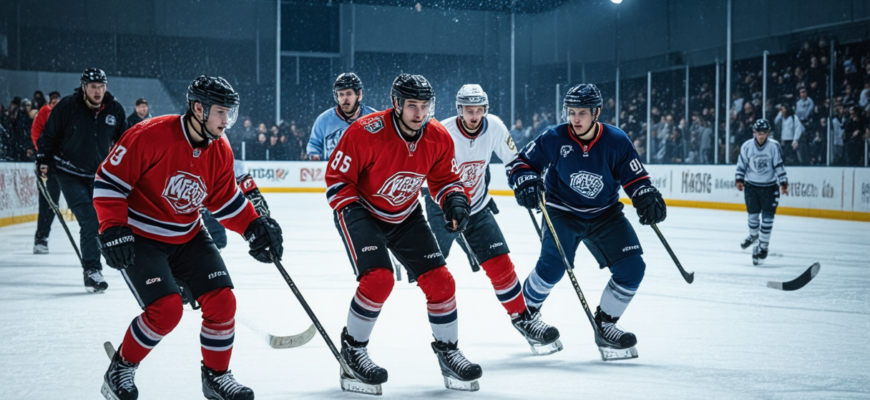
Hockey is a sport that combines speed, skill, and teamwork, creating an exciting and dynamic experience on the ice. For amateur players looking to improve their game, participating in friendly scrimmages offers an invaluable opportunity to develop skills, build confidence, and enjoy the camaraderie of the hockey community. This comprehensive guide explores the significance of friendly scrimmages in amateur hockey, providing practical advice, strategies, and insights to maximize your experience and accelerate your progress.
- The Importance of Friendly Scrimmages in Amateur Hockey Development
- Why Are Friendly Scrimmages Crucial?
- Preparing for Friendly Scrimmages
- 1. Equipment and Attire
- 2. Physical Warm-up
- 3. Mental Readiness
- 4. Team Coordination
- Strategies and Tips for Making the Most of Friendly Scrimmages
- 1. Focus on Fundamentals
- 2. Play Within Your Skill Level
- 3. Communicate Actively
- 4. Observe Opponents and Teammates
- 5. Maintain a Positive Attitude
- Effective Tactics for Different Playing Situations
- Attacking Play
- Defensive Play
- Transition Play
- Analyzing and Learning from Scrimmages
- 1. Video Recording
- 2. Keep a Personal Journal
- 3. Seek Feedback
- Building Confidence and Reducing Anxiety
- Safety Considerations During Friendly Scrimmages
- 1. Use Proper Equipment
- 2. Foster Respect and Sportsmanship
- 3. Know Your Limits
- 4. Stay Hydrated and Rested
- Embracing Friendly Scrimmages as a Path to Hockey Excellence
- Sample Table: Benefits of Friendly Scrimmages for Amateur Hockey Players
- Sample Formula: Enhancing Skill Development through Repetition
- Final Thoughts
The Importance of Friendly Scrimmages in Amateur Hockey Development
In the realm of amateur hockey, structured training sessions and competitive games are vital, but friendly scrimmages hold a unique place. They serve as an accessible, low-pressure environment where players can experiment, learn, and refine their skills. Unlike official matches, scrimmages focus more on individual growth and team chemistry, fostering a positive atmosphere conducive to learning.
Why Are Friendly Scrimmages Crucial?
- Skill Reinforcement: Practicing techniques in a game-like setting helps solidify learned skills such as passing, shooting, skating, and positioning.
- Situational Awareness: Players learn to read the game, anticipate opponents’ moves, and adapt strategies on the fly.
- Building Confidence: Regular play reduces anxiety and builds self-assurance in game situations.
- Team Cohesion: Scrimmages foster communication and trust among teammates, essential for coordinated play.
- Injury Prevention: Gradual exposure to game intensity allows players to develop resilience and awareness, reducing injury risk during competitive matches.
Preparing for Friendly Scrimmages
Effective preparation transforms a casual scrimmage into a productive training session. Here are key steps to get ready:
1. Equipment and Attire
Ensure you have all necessary gear, including helmet, gloves, shin guards, elbow pads, and a protective cup. Wear comfortable, hockey-appropriate attire that allows free movement, and maintain your equipment in good condition.
2. Physical Warm-up
Engage in at least 10-15 minutes of warm-up exercises. Focus on dynamic stretches, light skating, and stickhandling drills to prepare your muscles and reduce injury risk.
3. Mental Readiness
Approach the scrimmage with a positive attitude. Set specific goals, such as improving passing accuracy or enhancing defensive positioning, to stay focused and motivated.
4. Team Coordination
Coordinate with teammates beforehand if possible. Discuss basic strategies or focus points to ensure cohesive play during the game.
Strategies and Tips for Making the Most of Friendly Scrimmages
Participating effectively requires more than just showing up on the ice. Implementing strategic approaches maximizes skill acquisition and enjoyment.
1. Focus on Fundamentals
Prioritize basic techniques like accurate passing, controlled puck handling, and correct skating posture. Repeating fundamentals under game conditions reinforces muscle memory.
2. Play Within Your Skill Level
Identify your strengths and weaknesses. Engage in plays that challenge you but remain within your skill boundaries to avoid frustration or injury.
3. Communicate Actively
Use verbal and non-verbal cues to coordinate with teammates. Effective communication leads to better positioning and reduces mistakes.
4. Observe Opponents and Teammates
Pay attention to how others move and react. Noticing patterns can help you anticipate plays and improve decision-making.
5. Maintain a Positive Attitude
Encourage teammates, accept constructive feedback, and focus on enjoying the game. A positive mindset enhances learning and team bonding.
Effective Tactics for Different Playing Situations
Understanding how to adapt during scrimmages is crucial. Here are tactics for common scenarios:
Attacking Play
- Stretch the Defense: Use quick passes and movement to create gaps in opponents’ formations.
- Cycle the Puck: Keep the puck moving along the boards to maintain offensive pressure.
- Screen the Goalkeeper: Position players to obstruct the goalie’s view during shots.
Defensive Play
- Maintain Proper Positioning: Stay between the puck and your goal, and stay disciplined in coverage.
- Block Shooting Lanes: Use your body strategically to obstruct shots and passes.
- Support Teammates: Communicate to ensure proper coverage and avoid leaving opponents unguarded.
Transition Play
- Quick Breakouts: Transition swiftly from defense to offense to catch opponents off-guard.
- Forechecking: Apply pressure in the opponent’s zone to regain puck possession.
- Backchecking: Fast retreat after losing the puck to prevent counterattacks.
Analyzing and Learning from Scrimmages
Post-game reflection enhances learning. Consider the following methods:
1. Video Recording
If possible, record scrimmages to review later. Analyze positioning, decision-making, and execution to identify areas for improvement.
2. Keep a Personal Journal
Note daily progress, challenges faced, and new techniques learned. Tracking growth helps set realistic goals and stay motivated.
3. Seek Feedback
Ask coaches or experienced players for constructive critiques. External perspectives provide valuable insights that self-assessment might miss.
Building Confidence and Reducing Anxiety
For beginners or players returning after a break, confidence is key to sustained improvement. Here are ways to foster it:
- Celebrate Small Victories: Recognize progress, such as successful passes or good positioning.
- Practice Visualization: Mentally rehearse plays and scenarios to build familiarity and reduce nervousness.
- Focus on Effort, Not Just Outcomes: Emphasize effort and learning rather than perfection.
Safety Considerations During Friendly Scrimmages
While friendly and informal, safety remains paramount. Follow these guidelines:
1. Use Proper Equipment
Ensure all protective gear is worn correctly and fits well.
2. Foster Respect and Sportsmanship
Avoid reckless plays and maintain respectful communication.
3. Know Your Limits
Be honest about your physical condition and do not push through pain or fatigue.
4. Stay Hydrated and Rested
Drink water regularly and take breaks to prevent exhaustion.
Embracing Friendly Scrimmages as a Path to Hockey Excellence
Participating in friendly scrimmages is an integral part of mastering hockey for amateurs. They offer a safe and supportive environment to hone skills, enhance tactical understanding, and build a sense of community. By approaching scrimmages with preparation, intention, and a desire to learn, amateur players can significantly accelerate their development and transform their enjoyment of the game.
Ultimately, the more consistently players engage in scrimmages, the more natural their movements become, their decision-making sharpens, and their confidence grows. As a result, these informal games become the foundation upon which a passion for hockey can flourish, leading to more meaningful participation and the potential for future competitive achievement.
Sample Table: Benefits of Friendly Scrimmages for Amateur Hockey Players
| Benefit | |
|---|---|
| Skill Reinforcement | Replicates game scenarios to practice fundamental techniques in real-time. |
| Situational Awareness | Develops the ability to read the game and anticipate plays. |
| Confidence Building | Creates a low-stress environment to try new skills and gain self-assurance. |
| Team Chemistry | Enhances communication and coordination among teammates. |
| Injury Prevention | Allows gradual exposure to game intensity, reducing sudden injuries. |
Sample Formula: Enhancing Skill Development through Repetition
Skill mastery = Number of repetitions x Quality of practice x Duration of practice
For example, consistently practicing passing drills can significantly improve accuracy over time, especially when combined with quality feedback and sufficient practice duration.
Final Thoughts
Integrating friendly scrimmages into regular training routines is a strategic approach for amateur hockey players aiming for improvement. They serve as a bridge between practice drills and competitive play, offering real-game experiences without the pressure of official scores. With proper preparation, strategic focus, and an eager mindset, every amateur player can turn each scrimmage into a stepping stone toward greater skills, better teamwork, and a deeper love for hockey.
Похожие записи:
 Starting with Beginner-Friendly Hockey Drills: A Complete Guide for Amateur Players
  Mastering Hockey Shooting Techniques from Different Angles: A Guide for Amateurs
  Mastering the Art of Following a Hockey Game’s Flow: Essential Tips for Amateur Players to Improve Awareness
  Mastering Passing and Receiving the Puck: Essential Skills for Amateur Hockey Players
  Mastering the Ice: Essential Hockey Etiquette and Sportsmanship for Amateur Players
  Basic Strategies for Beginner Hockey Players: A Complete Guide for Amateur Enthusiasts
  Mastering Hockey Stick Handling: Essential Techniques for Beginners
  Conquer Your First Ice Hockey Fears: Essential Tips for Beginners
  Mastering the Art of Effective Ice Stops: Essential Techniques for Amateur Hockey Players
  Incorporating Fun Drills to Enhance Hockey Skills: A Guide for Amateur Players
  Mastering Hockey: How Watching Online Tutorials and Videos Can Elevate Your Game for Amateur Players
  Mastering Concentration: Proven Tips to Maintain Mental Focus During Hockey Games
  Mastering Speed and Control in Skating: The Ultimate Guide for Amateur Hockey Players
  Mastering the Art of Anticipation: How Amateur Hockey Players Can Predict Opponents’ Moves
  Mastering the Ice: A Comprehensive Guide to the Basic Rules of Ice Hockey for Beginners
  Building Confidence in Your Skating and Puck Skills: A Complete Guide for Amateur Hockey Players