
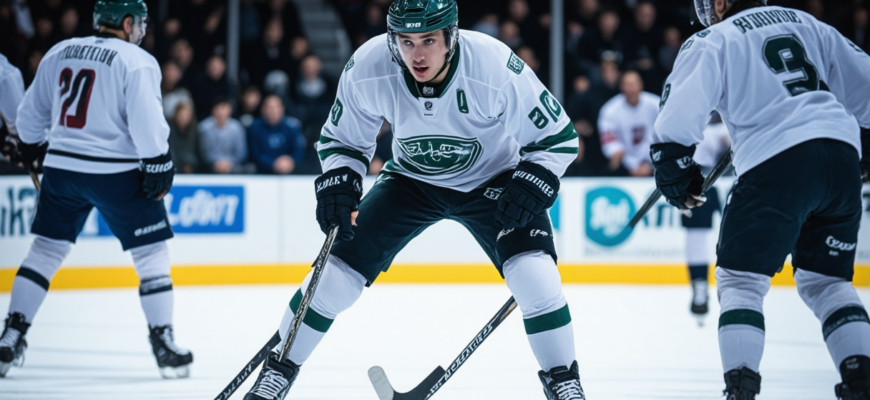
Hockey is a fast-paced sport that demands quick thinking, sharp vision, and heightened awareness from its players. For amateurs, understanding how to follow the flow of a game can significantly enhance their performance and enjoyment on the ice. This comprehensive guide delves into the intricacies of game awareness, offering practical techniques and strategies to help players anticipate plays, track puck movements, and stay engaged throughout the match.
- Understanding the Dynamics of a Hockey Game
- The Fast-Paced Nature of Hockey
- Key Elements That Influence the Game’s Flow
- The Importance of Developing Game Awareness in Hockey
- Benefits of Improved Game Awareness
- Techniques to Follow the Game’s Flow Effectively
- 1. Focus on the Puck and Off-Puck Players
- 2. Develop Peripheral Vision
- 3. Use Head and Eye Movement Strategically
- 4. Recognize Patterns and Predict Play Developments
- 5. Maintain Mental and Physical Readiness
- Practical Drills to Improve Game Flow Awareness
- Hockey-Specific Exercises
- Additional Tips for Practicing Awareness
- Understanding Common Mistakes That Hinder Game Awareness
- Poor Focus and Distraction
- Over-Reliance on Puck Location
- Inadequate Positioning
- Tools and Technologies to Enhance Awareness
- Video Review and Game Analytics
- Tracking Devices and Sensors
- The Path to Superior Game Awareness in Hockey
- Additional Resources for Aspiring Hockey Enthusiasts
Understanding the Dynamics of a Hockey Game
The Fast-Paced Nature of Hockey
Hockey is renowned for its rapid tempo, with players constantly moving, passing, checking, and shooting. The game’s dynamic environment requires players to process a large amount of visual information in real-time. Recognizing this, successful players develop situational awareness that allows them to react swiftly and accurately.
Key Elements That Influence the Game’s Flow
- Puck position: The location of the puck is central to understanding the current offensive or defensive situation.
- Player positioning: How players are arranged on the ice impacts pass options and defensive coverage.
- Game phase: Whether the team is attacking or defending influences player behavior and tactics.
- Referee decisions and whistles: Stops in play often signal shifts in momentum or strategy.
The Importance of Developing Game Awareness in Hockey
Enhanced awareness contributes to better decision-making, quicker reactions, and increased ability to anticipate opponent actions. It helps amateurs avoid common pitfalls like getting caught out of position or missing critical opportunities.
Benefits of Improved Game Awareness
- Increased ability to intercept passes and anticipate plays
- Greater confidence when handling the puck under pressure
- Better positioning and spatial awareness on the ice
- Enhanced teamwork through understanding teammates’ intentions
- Reduced risk of turnovers and penalties due to attention lapses
Techniques to Follow the Game’s Flow Effectively
1. Focus on the Puck and Off-Puck Players
While the puck is the center of attention, effective players expand their focus to include their teammates and opponents not directly involved in the play. This broader awareness allows players to anticipate potential passing lanes, gaps in defense, and emerging threats.
2. Develop Peripheral Vision
Peripheral vision helps players monitor multiple areas of the ice simultaneously without turning their heads. Regular drills that enhance awareness of surroundings can train this ability, such as scanning exercises during practice sessions.
3. Use Head and Eye Movement Strategically
Quick, deliberate head movements enable players to gather vital information about the game’s state. Learning to scan the ice efficiently—without losing focus on immediate threats—is crucial. Avoid fixating on one point; instead, adopt a scanning pattern to gather broad situational data.
4. Recognize Patterns and Predict Play Developments
Observation of common offensive and defensive formations enables players to predict where the puck might go next. For example, identifying a team’s preferred breakout moves or power play setups can give an advantage in positioning and anticipation.
5. Maintain Mental and Physical Readiness
Staying alert and physically ready ensures that players can respond instantaneously when the game shifts. Regular conditioning and mental exercises increase focus and reduce fatigue-related lapses in awareness.
Practical Drills to Improve Game Flow Awareness
Hockey-Specific Exercises
| Drill Name | Description | Benefits |
|---|---|---|
| Shadow Play | Players mimic an opposing team’s formation and movements without pucks, focusing on reading plays and positioning. | Enhances pattern recognition and anticipatory skills. |
| Rapid Scanning | During drills, players are instructed to scan the ice for 1-2 seconds every 5 seconds, observing puck location and player positions. | Improves peripheral awareness and quick response capability. |
| Video Analysis | Watching game footage to analyze plays, identifying key moments where awareness impacted the outcome. | Develops understanding of game flow and strategic patterns. |
| Three-Cones Drill | Players maneuver around cones while maintaining awareness of multiple cones and the coach’s instructions. | Increases spatial awareness and focus under movement conditions. |
Additional Tips for Practicing Awareness
- Train regularly with small-sided games to simulate game intensity.
- Practice keeping your head up while controlling the puck during drills.
- During scrimmages, set personal goals such as tracking at least three players or the puck at all times.
- Use mental exercises like visualization to simulate game situations and responses.
Understanding Common Mistakes That Hinder Game Awareness
Poor Focus and Distraction
Allowing attention to drift away from the play causes missed opportunities and defensive lapses. Staying fully engaged, especially in high-intensity moments, is essential.
Over-Reliance on Puck Location
Focusing solely on the puck can lead to neglecting teammates and potential threats. A balanced awareness approach involves paying attention to both puck and player movement.
Inadequate Positioning
Being out of position reduces reaction time and increases vulnerability. Continual positional awareness linked to the game situation is vital for effective play.
Tools and Technologies to Enhance Awareness
Video Review and Game Analytics
Utilizing video recordings of matches allows players to review their positioning, decision-making, and game flow recognition. Analytical tools highlight areas for improvement and common patterns to watch for in future games.
Tracking Devices and Sensors
Wearable technology that tracks movement can help players analyze their positioning and movement patterns during gameplay, providing insights into habits and areas for growth.
The Path to Superior Game Awareness in Hockey
Mastering the ability to follow a hockey game’s flow and improve awareness is a multifaceted process that combines visual skills, pattern recognition, strategic thinking, and physical readiness. Regular practice, thoughtful analysis, and adopting specific drills can significantly enhance a player’s situational understanding, leading to smarter plays, better positioning, and increased confidence on the ice. As amateur players develop these skills, they not only elevate their game but also deepen their enjoyment of this exhilarating sport.
Additional Resources for Aspiring Hockey Enthusiasts
- Recommended books on hockey strategy and awareness
- Links to training videos and tutorials
- Suggestions for local clinics and coaching programs
Похожие записи:
 Mastering Passing and Receiving the Puck: Essential Skills for Amateur Hockey Players
  Mastering the Art of Anticipation: How Amateur Hockey Players Can Predict Opponents’ Moves
  Basic Strategies for Beginner Hockey Players: A Complete Guide for Amateur Enthusiasts
  Mastering the Ice: Essential Hockey Etiquette and Sportsmanship for Amateur Players
  Mastering the Art of Effective Ice Stops: Essential Techniques for Amateur Hockey Players
  Mastering Speed and Control in Skating: The Ultimate Guide for Amateur Hockey Players
  Mastering Concentration: Proven Tips to Maintain Mental Focus During Hockey Games
  Understanding Ice Rink Markings and Zones: A Guide for Amateur Hockey Enthusiasts
  Mastering Hockey Stick Handling: Essential Techniques for Beginners
  Mastering the Ice: A Comprehensive Guide to the Basic Rules of Ice Hockey for Beginners
  Mastering the Ice: Basic Skating Techniques Every New Hockey Player Must Know
  The Critical Role of Teamwork and Communication in Ice Hockey Success
  How to Wear Your Helmet and Pads Safely: A Complete Guide for Amateur Hockey Players
  The Crucial Role of Fitness and Strength in Hockey Performance