
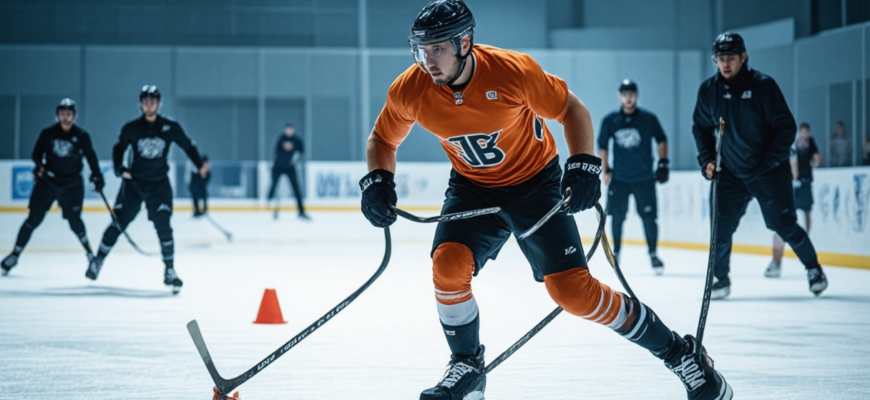
Hockey is an intensely physical sport that demands a unique combination of speed, agility, endurance, strength, and skill. For amateur players aspiring to improve their game, understanding how fitness and strength influence performance is essential. Developing a well-rounded physical foundation not only enhances on-ice abilities but also reduces the risk of injuries, prolongs career longevity, and elevates overall enjoyment of the sport. This comprehensive guide explores the vital roles that fitness and strength play in hockey, offering practical insights, training principles, and strategies tailored for amateur enthusiasts.
- Understanding the Physical Demands of Hockey
- Key Physical Components for Hockey Players
- The Importance of Fitness in Hockey Performance
- 1. Enhances Speed and Acceleration
- 2. Improves Endurance and Stamina
- 3. Supports Explosive Power and Quick Movements
- 4. Reduces Injury Risks
- 5. Promotes Better Recovery
- Strength Training: Building a Hockey-Specific Foundation
- Core Principles of Strength Training for Hockey
- Essential Strength Training Exercises
- Training Frequency and Program Design
- Cardiovascular Fitness and Endurance
- Why Cardio Matters in Hockey
- Effective Cardio Training Methods
- Sample Weekly Cardio Routine
- Agility, Flexibility, and Balance
- Importance for On-Ice Skills
- Training Components
- Integrating Fitness into Hockey Training for Amateurs
- Designing an Effective Training Plan
- Sample Weekly Training Schedule
- Monday
- Tuesday
- Wednesday
- Thursday
- Friday
- Saturday
- Sunday
- Nutrition and Hydration: Supporting Fitness Goals
- Measuring Progress and Staying Motivated
- References
Understanding the Physical Demands of Hockey
Ice hockey is characterized by rapid bursts of activity, high-intensity skating, physical contests, and quick directional changes. These demands translate into specific physical requirements, including cardiovascular endurance, muscular strength, power, balance, and flexibility. Recognizing these demands provides clarity on which fitness components are most critical for optimal performance.
Key Physical Components for Hockey Players
- Cardiovascular Endurance: Maintains stamina throughout the game, supporting continuous movement and recovery.
- Lower Body Strength: Provides power for skating, shot force, and stability in physical battles.
- Core Stability: Ensures balance, control, and efficient transfer of energy during skating and puck handling.
- Upper Body Strength: Aids in controlling the puck, shooting, and fighting off opponents.
- Flexibility & Agility: Facilitates quick turns, stops, and direction changes.
The Importance of Fitness in Hockey Performance
Achieving high-level performance in hockey hinges significantly on physical fitness. Below are the core reasons why fitness is indispensable for amateur players wishing to excel on ice.
1. Enhances Speed and Acceleration
A fit body can generate greater power in push-offs and strides, directly impacting skating speed. Strength training, particularly in the legs and hips, accelerates a player’s ability to reach top speeds quicker and maintain momentum throughout shifts.
2. Improves Endurance and Stamina
High aerobic and anaerobic capacity allow players to sustain their effort over entire periods. This stamina is vital during tight games where continuous movement is required, reducing fatigue and maintaining high performance levels.
3. Supports Explosive Power and Quick Movements
Explosive power from well-developed muscular strength enables rapid accelerations, sharp turns, and strong checks. These quick, forceful movements can change the course of a game significantly.
4. Reduces Injury Risks
Proper fitness and strength conditioning strengthen muscles, ligaments, and tendons, making the body more resilient to impacts, falls, and overuse injuries common in hockey.
5. Promotes Better Recovery
Physically prepared athletes recover quicker from matches and training sessions. This allows for more frequent and intense training, leading to continuous improvement.
Strength Training: Building a Hockey-Specific Foundation
Strength training is fundamental in improving performance. For amateur players, a focused approach targeting key muscle groups can make a tangible difference. The goal is to develop functional strength that translates into on-ice benefits.
Core Principles of Strength Training for Hockey
- Specificity: Exercises should mimic the movement patterns and muscle recruitment involved in hockey.
- Progressive Overload: Gradually increasing the resistance or volume ensures continuous improvement.
- Balance: Training should target all major muscle groups to prevent imbalances and injuries.
- Recovery: Adequate rest between sessions is crucial for muscle growth and repair.
Essential Strength Training Exercises
| Exercise | Muscle Focus | Description |
|---|---|---|
| Squats | Quadriceps, Hamstrings, Glutes, Core | Builds leg and hip power necessary for skating strides and stability. |
| Deadlifts | Lower back, glutes, hamstrings, core | Enhances overall strength and posterior chain development. |
| Lunges | Quadriceps, glutes, stabilizers | Improves balance, unilateral leg strength, and mobility. |
| Push-Ups / Bench Press | Chest, shoulders, triceps | Strengthens upper body for puck control and shooting strength. |
| Pull-Ups / Rows | Back, biceps, forearms | Enhances pulling strength, crucial for stick handling and battles along the boards. |
| Core Exercises (Planks, Russian Twists) | Core muscles, obliques | Improves stability, balance, and power transfer. |
Training Frequency and Program Design
For amateurs, a balanced strength regime consisting of 2-3 sessions per week is ideal. Each session should include a warm-up, targeted exercises, and a cooldown. Focusing on compound movements, complemented by core work and flexibility exercises, optimizes performance gains without overtraining.
Cardiovascular Fitness and Endurance
Why Cardio Matters in Hockey
Endurance allows players to perform sustained efforts, recover faster between plays, and maintain mental alertness throughout the game. Aerobic fitness supports overall health and stamina, while anaerobic capacity is crucial during sprints and intense bursts of activity.
Effective Cardio Training Methods
- Interval Training: Alternating high-intensity efforts with rest periods, e.g., 30 seconds sprint / 1 min walk, improves both aerobic and anaerobic capacity.
- Fartlek Workouts: Mixed moderate and high-intensity skating or running to simulate game scenarios.
- Endurance Runs or Cycling: Long, steady-state sessions to enhance general cardiovascular health and base stamina.
Sample Weekly Cardio Routine
- Monday: Interval sprints (10 rounds of 30s sprint / 1 min rest)
- Wednesday: 45-minute steady-state cycling or jogging
- Friday: Fartlek skate or run session, 30–40 minutes
Agility, Flexibility, and Balance
Importance for On-Ice Skills
Agility enables quick responses, sharp turns, and effective puck handling. Flexibility reduces tension and enhances movement range, while good balance prevents falls and improves control during plays.
Training Components
- Agility Drills: Ladder drills, cone drills, reactive movements.
- Stretching: Dynamic stretches before workouts; static stretches post-exercise.
- Balance Exercises: Single-leg stands, stability ball work, and proprioceptive drills.
Integrating Fitness into Hockey Training for Amateurs
Designing an Effective Training Plan
For amateur players, the key to success is consistency and gradual progression. A balanced weekly plan should include:
- Skating practice and on-ice drills
- Strength workouts focused on functional exercises
- Cardiovascular sessions for endurance
- Flexibility and mobility routines
- Rest and recovery days to prevent overtraining
Sample Weekly Training Schedule
Monday
- On-ice drills and skating
- Core and flexibility exercises
Tuesday
- Strength training session
Wednesday
- Cardio session (intervals or steady-state)
Thursday
- Rest or active recovery (light stretching, Yoga)
Friday
- On-ice scrimmage or drills
- Agility and balance training
Saturday
- Strength training (focus on different muscle groups)
Sunday
- Long-duration cardio (cycling, running)
Nutrition and Hydration: Supporting Fitness Goals
Optimal performance is not solely dependent on training; proper nutrition and hydration play a vital role. A balanced diet rich in proteins, carbohydrates, healthy fats, vitamins, and minerals fuels workouts and enhances recovery. Hydration ensures muscle function and prevents fatigue during intense sessions.
Measuring Progress and Staying Motivated
Tracking fitness parameters such as strength (weights lifted), endurance (time or distance), and agility (drill completion times) helps monitor progress. Setting achievable, measurable goals fosters motivation and a sense of accomplishment. Regular assessments, like timed skating or strength tests, can provide tangible evidence of development.
In the realm of amateur hockey, physical fitness and strength are paramount components that significantly influence on-ice performance. Focused efforts on developing cardiovascular capacity, muscular strength, agility, and flexibility create a more powerful, resilient, and agile player. Incorporating well-structured training routines that balance skill practice with physical conditioning ensures continuous improvement while minimizing injury risks. Ultimately, understanding and investing in fitness and strength groundwork form the foundation for elevating hockey performance, making the sport more enjoyable and rewarding for amateurs at any level.
References
- Wingate, D., & Robertson, J. (2012). “Physiology of ice hockey.” Journal of Sports Science & Medicine.
- Dawson, M. (2015). “Strength and Conditioning for Hockey.” Human Kinetics.
- Smith, R. (2018). “Training Principles and Methods for Hockey Players.” Sports Performance Journal.
Похожие записи:
 Mastering Speed and Control in Skating: The Ultimate Guide for Amateur Hockey Players
  The Critical Role of Teamwork and Communication in Ice Hockey Success
  Mastering the Ice: Basic Skating Techniques Every New Hockey Player Must Know
  Mastering Hockey Stick Handling: Essential Techniques for Beginners
  Mastering Concentration: Proven Tips to Maintain Mental Focus During Hockey Games
  Basic Strategies for Beginner Hockey Players: A Complete Guide for Amateur Enthusiasts
  Mastering the Art of Effective Ice Stops: Essential Techniques for Amateur Hockey Players
  Mastering the Art of Following a Hockey Game’s Flow: Essential Tips for Amateur Players to Improve Awareness
  Mastering the Art of Anticipation: How Amateur Hockey Players Can Predict Opponents’ Moves
  Mastering Passing and Receiving the Puck: Essential Skills for Amateur Hockey Players
  Mastering the Ice: A Comprehensive Guide to the Basic Rules of Ice Hockey for Beginners
  Mastering the Ice: Essential Hockey Etiquette and Sportsmanship for Amateur Players
  Understanding Ice Rink Markings and Zones: A Guide for Amateur Hockey Enthusiasts
  How to Wear Your Helmet and Pads Safely: A Complete Guide for Amateur Hockey Players