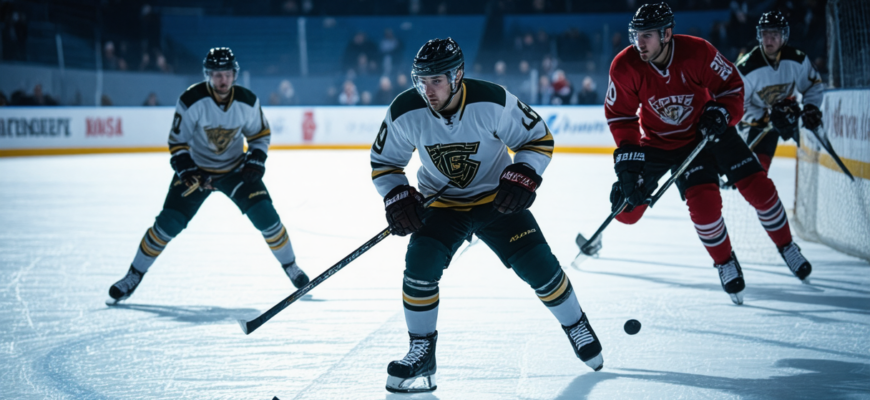
Hockey is a fast-paced and physically demanding sport that requires a blend of skill, agility, and tactical understanding. One of the key elements that can significantly influence the outcome of a game is effective defensive positioning. Whether you’re a beginner or an intermediate player, understanding how to position yourself defensively can elevate your game and contribute to your team’s success. This comprehensive guide aims to provide practical strategies, techniques, and insights on how to position yourself defensively in hockey, tailored specifically for amateur players.
- Understanding the Fundamentals of Defensive Positioning in Hockey
- Why is Defensive Positioning Important?
- The Core Principles of Defensive Stance
- Key Defensive Techniques for Amateur Players
- 1. Stay Between the Puck and the Goal
- 2. Proper Gaps and Spacing
- 3. Angling and Cutting Off Passing Lanes
- 4. Support and Relaxed Defensive Pairing
- Positioning Strategies Based on Game Situations
- 1. Defensive in the Neutral Zone
- 2. Defensive in the Defensive Zone
- 3. Penalty Kill Positioning
- Training Drills to Improve Defensive Positioning
- 1. Shadowing Drill
- 2. Corner Clearing Drill
- 3. Gap Control Exercise
- Common Mistakes in Defensive Positioning and How to Avoid Them
- 1. Standing Flat-Footed or Overcommitting
- 2. Leaving Gaps Open
- 3. Failing to Support or Communicate
- 4. Poor Stick Placement
- Advanced Tips for Effective Defensive Positioning
- 1. Use Your Body and Stick as a Defensive Barrier
- 2. Reading Opponents’ Body Language
- 3. Positioning for Face-offs in Defensive Zones
- Summary: Building a Solid Defensive Foundation
Understanding the Fundamentals of Defensive Positioning in Hockey
Why is Defensive Positioning Important?
Effective defensive positioning minimizes scoring opportunities for the opposition and allows your team to regain control of the puck efficiently. Proper positioning helps in maintaining the right formation, reducing gaps that opponents can exploit, and supporting teammates in tight situations. It also allows players to anticipate opponents’ moves better and react swiftly, preventing dangerous scoring chances.
The Core Principles of Defensive Stance
- Padding and Balance: Keep knees slightly bent, weight distributed evenly on the skates, ready to move in any direction.
- Head Up: Always scan the ice to be aware of puck location and opponents’ movements.
- Stick Positioning: Keep your stick on the ice and in the passing lanes to block shots and intercept passes.
- Body Positioning: Stay between the puck and the goal, maintaining a low and balanced stance to react quickly.
Key Defensive Techniques for Amateur Players
1. Stay Between the Puck and the Goal
This fundamental rule ensures that the defender always provides a barrier between the opponent and the net. It involves constant awareness of puck location and adjusting your position accordingly. If an opponent has the puck, move to cut off passing lanes or force them towards the boards.
2. Proper Gaps and Spacing
Keeping the right distance from opponents (the “gap”) is crucial. The ideal gap helps in effectively challenging the puck carrier without overcommitting and leaving gaps open. Here’s a simple table estimating ideal gaps based on skating speed and situation:
| Player Speed | Typical Gap (meters) | Purpose |
|---|---|---|
| Slow / Stationary | 1.0 – 1.5 m | Close to pressure the puck carrier |
| Moderate Speed | 1.5 – 2.5 m | Maintain pressure while staying balanced |
| Full Speed | 3.0 m+ | Quickly cut opponents off or recover back |
3. Angling and Cutting Off Passing Lanes
Good defensive players use body positioning to angle opponents toward the boards or away from dangerous shooting areas. Properly cutting off passing lanes involves positioning oneself to intercept or block the puck’s intended recipient while keeping close to the opponent.
4. Support and Relaxed Defensive Pairing
Defense is a team effort. When one defender engages the puck carrier, the other should stay in a supportive angle—ready to help or block a shot. This helps prevent isolated mistakes and creates a cohesive defensive line.
Positioning Strategies Based on Game Situations
1. Defensive in the Neutral Zone
In the neutral zone, your goal as a defender is to prevent the opposition from advancing easily. Use the “step and hold” technique, where you move to challenge the opponent but stay prepared to retreat or support your teammates. Maintain a tight gap, and control the space between the attacker and the center ice.
2. Defensive in the Defensive Zone
In your own zone, the positioning becomes more critical. Here are essential points:
- Stay low and balanced, always facing the puck.
- Cover the high slot to prevent quick shots.
- Partner with your fellow defender to cover different zones.
- Anticipate passes to intercept or block shots.
3. Penalty Kill Positioning
When a team is short-handed, defensive positioning becomes even more vital. The key aspects are:
- Maintain tight formations to cover all passing lanes.
- Back up the blue line to prevent crossing passes.
- Stay aggressive enough to challenge the puck carrier without overcommitting, which could lead to odd-man rushes.
Training Drills to Improve Defensive Positioning
1. Shadowing Drill
This exercise improves anticipation and positioning:
- Partner up — one puck carrier, one defender.
- The puck carrier attempts to advance toward the net or pass, while the defender practices staying between them and the goal, adjusting position based on movement.
- Rotate roles regularly.
2. Corner Clearing Drill
Focuses on bumping opponents off the puck and clearing the crease:
- Defenders start in the corners of the zone, opponents attempt to penetrate.
- Defenders use body positioning to steer opponents away from dangerous areas.
- Practice transitioning quickly to support teammate or clear puck.
3. Gap Control Exercise
Set up cones at different distances to simulate opponents at various ranges. Practice skating forward, backward, and laterally while maintaining the correct gap, emphasizing quick adjustments.
Common Mistakes in Defensive Positioning and How to Avoid Them
1. Standing Flat-Footed or Overcommitting
Leads to loss of balance and speed, making it easier for opponents to beat you. Solution: Keep knees bent, stay low, and be prepared to change direction quickly.
2. Leaving Gaps Open
Allowing opponents to find space can lead to dangerous shots. Always reinforce weak points and be aware of teammates’ positioning.
3. Failing to Support or Communicate
Without clear communication, defenders may leave holes or double-team opponents unnecessarily. Use verbal cues and eye contact for better coordination.
4. Poor Stick Placement
High stick or improper stick angle reduces the ability to block passes or shots. Keep the stick on the ice and in passing lanes at all times.
Advanced Tips for Effective Defensive Positioning
1. Use Your Body and Stick as a Defensive Barrier
Combine body positioning with active stick work to narrow the shooting angles and intercept passes more effectively.
2. Reading Opponents’ Body Language
Pay attention to puck carriers’ movements and weight shifts to anticipate their next move, allowing better positioning and timely challenges.
3. Positioning for Face-offs in Defensive Zones
During defensive zone face-offs, players should position themselves according to the puck-drop side, ready to challenge or block passing options immediately.
Summary: Building a Solid Defensive Foundation
Defensive positioning is not just about a static stance; it is about understanding space, timing, and coordination. Regular practice, game awareness, and continual learning can improve an amateur player’s ability to position defensively. Remember, the key to excellent defense lies in anticipation, support, and discipline.
Developing effective defensive positioning takes time and dedication. By mastering core principles such as staying between the puck and the goal, controlling gaps, angling opponents, and supporting teammates, amateur players can significantly strengthen their team’s defensive game. Incorporating targeted drills and avoiding common mistakes will ensure steady improvement. As with all aspects of hockey, consistent practice and game experience are the best teachers for mastering defensive positioning and becoming a formidable presence on the ice.
Похожие записи:
 Mastering the Ice: Essential Defensive Positioning Strategies in Hockey for Amateurs
  Effective Offensive Strategies to Break Through Defensive Lines in Hockey
  Basic Strategies for Beginner Hockey Players: A Complete Guide for Amateur Enthusiasts
  Positioning Basics for Amateur Hockey Players: Unlocking Your Potential on the Ice
  Mastering the Art of Puck Recovery: Strategies for Effective Play in Amateur Hockey
  Effective Defensive Drills to Strengthen Your Hockey Protectiveness
  Mastering Offensive Strategies: How to Plan Effective Attacks and Maintain Possession in Hockey for Amateurs
  Mastering Power Play: Essential Strategies for Effective Hockey Performance
  Essential Offensive Strategies in Hockey for Amateur Players
  Effective Wing and Center Play Strategies for Offense in Hockey: Simplified Tactics for Amateurs
  Mastering the Ice: The Essential Guide to Participating in Friendly Scrimmages for Hockey Amateurs
  Mastering Youth and Amateur Leagues: Essential Rules and Winning Strategies for Aspiring Hockey Players
  Mastering the Art of Anticipation: How Amateur Hockey Players Can Predict Opponents’ Moves
  Mastering the Fundamentals of Puck Retrieval and Chase in Hockey: Essential Skills for Amateur Players
  Mastering Hockey Shooting Techniques from Different Angles: A Guide for Amateurs
  Mastering Team Strategies and Support in Amateur Hockey: Achieving Success Together