
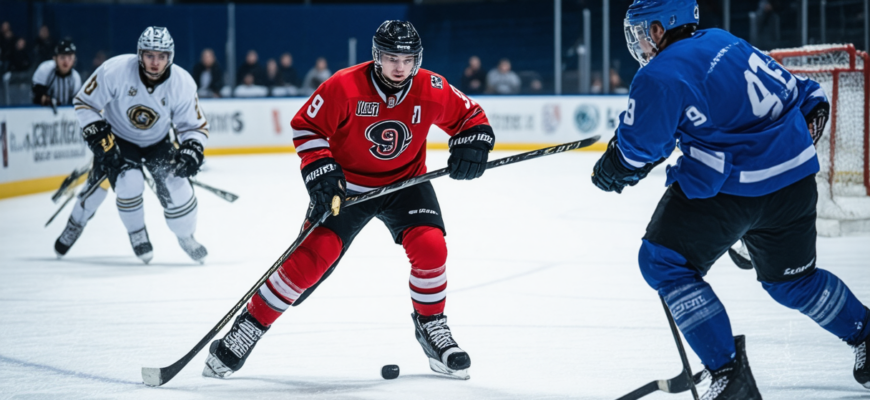
Hockey is a fast-paced, dynamic sport that requires a combination of skill, teamwork, and strategic thinking. For amateur players looking to improve their offensive game, understanding and implementing effective offensive strategies can significantly increase scoring opportunities and overall team performance. This comprehensive guide explores the fundamental offensive tactics, positioning, and plans that can help players elevate their hockey skills on the ice. Whether you are a beginner or an experienced amateur, mastering these strategies will enable you to contribute more effectively to your team’s attacking efforts.
- Understanding the Basics of Offensive Play in Hockey
- Key Components of Offensive Strategies
- Main Offensive Strategies in Hockey
- 1. The Cycle Attack
- Steps for executing the cycle attack:
- 2. The Overload Attack
- How to implement overload tactics:
- 3. The Breakout and Counterattack
- Steps in executing an effective counterattack:
- 4. The Power Play Strategies
- Common power play formations:
- Key principles for power play success:
- Effective Offense: Positioning and Movement
- 1. Offense from the Corners
- 2. The Slot and Crease Play
- 3. Supporting the Puck Carrier
- Techniques to Improve Offensive Play
- 1. Accurate Passing
- 2. Shooting Skills
- 3. Creative Playmaking
- Training Drills to Enhance Offensive Skills
- Summary and Final Tips
Understanding the Basics of Offensive Play in Hockey
Before delving into specific strategies, it is essential to understand the core principles of offensive play. These include maintaining puck possession, creating scoring chances, and outmaneuvering defensive players. Effective offense relies on seamless coordination among teammates, smart positioning, and quick decision-making.
The main goal of offensive strategies is to advance the puck into the opponent’s zone, set up scoring chances, and eventually score goals. Success depends not only on individual skills but also on team tactics that facilitate movement, create space, and confuse opponents.
Key Components of Offensive Strategies
| Component | Description |
|---|---|
| Positioning | Players must position themselves smartly to receive passes, support teammates, and create scoring angles. |
| Puck Movement | Quick and accurate passing keeps the puck moving and disorients the defense. |
| Creating Space | Offensive players utilize movement and positioning to open up ice and create opportunities. |
| Decision-Making | Players must choose the best options promptly—shoot, pass, or skate—based on the game situation. |
| Support Play | Teammates support the puck carrier by providing options and backup, ensuring sustained pressure. |
Main Offensive Strategies in Hockey
1. The Cycle Attack
The cycle attack is a fundamental offensive tactic where players circulate the puck along the boards in the offensive zone. This method helps maintain puck control, draws defenders out of position, and creates shooting lanes. The main concept involves a player (usually a forward or defenseman) passing the puck to a teammate along the boards, then cycling below or behind the net, setting up a new attack angle.
Steps for executing the cycle attack:
- Get the puck along the boards near the opponent’s net.
- Pass to a teammate in a supporting position.
- The teammate quickly passes the puck back or shifts sideways, maintaining puck possession.
- Repeat this process to tire out defenders and open up scoring opportunities.
2. The Overload Attack
The overload strategy involves piling multiple offensive players into one part of the ice—typically the area around the net or on a specific side—to create numerical superiority. This tactic forces the defenders to collapse toward the puck, which can free up players on the opposite side for shots or passes.
How to implement overload tactics:
- Identify a zone or side with a numerical advantage.
- Position multiple forwards and defensemen in this zone.
- Maintain puck movement to shift the defenders and open lanes.
- Pass to an unmarked teammate for a shot or a quick pass to create a scoring chance.
3. The Breakout and Counterattack
Counterattack is a swift offensive tactic used immediately after gaining possession or regaining control in your defensive zone. It aims to catch the opponents off guard before they are set defensively.
Steps in executing an effective counterattack:
- Quickly transition from defense to offense after gaining the puck.
- Use quick, accurate passes to move the puck to open ice.
- Skate with speed to outrun defenders breaking back into the defensive zone.
- Align players to form scoring chances as they cross the blue line.
4. The Power Play Strategies
The power play is a critical offensive phase when the opposing team is penalized. Strategies implemented during this phase aim to maximize scoring chances with a man advantage.
Common power play formations:
| Formation | Description | Advantages |
|---|---|---|
| 1-3-1 | One player at the point, three across the ice, and one in the slot. | Creates multiple shooting lanes and passing options. |
| 2-1-2 | Two players on the blue line, one in the middle, and two near the net. | Good for maintaining puck control and shooting opportunities. |
| Box | Four players forming a square around the crease. | Focuses on crashing the net and tipping shots. |
Key principles for power play success:
- Maintaining puck movement to force defenders to shift.
- Creating shooting lanes for quick shots on goal.
- Positioning players to target rebounds or deflections.
Effective Offense: Positioning and Movement
1. Offense from the Corners
Players controlling the puck in the corners have multiple options: pass to teammates in front, behind, or along the boards. Effective use of the corners can set up scoring opportunities through quick passes and by drawing defenders out of position.
2. The Slot and Crease Play
The area directly in front of the net, known as the slot, is prime real estate for scoring. Players often position themselves here to receive passes for wrist shots or to tip rebounds. Maintaining position and good timing are essential to exploit this area effectively.
3. Supporting the Puck Carrier
Supporting players must stay in motion, creating passing options, opening shooting lanes, or drawing defenders away. The principle of “triangle formation”—the puck carrier, a trailer, and a support player—ensures fluid offensive movement.
Techniques to Improve Offensive Play
1. Accurate Passing
Precision and timing are crucial in offensive tactics. Confidence in passing reduces turnovers and creates scoring chances. Practice different types of passes, including wrist passes, saucer passes, and one-timers.
2. Shooting Skills
Effective shooting involves proper wrist, slap, or snap shots, aiming for specific areas of the net such as corners or top shelf. Practice shooting under pressure to execute effectively in game situations.
3. Creative Playmaking
Developing the ability to read the game and anticipate openings allows players to create scoring chances out of seemingly tight situations. Skate, deke, and fake shots to deceive defenders.
Training Drills to Enhance Offensive Skills
- Passing and Shooting Drills: Set up cones or targets on the net to practice accuracy.
- Puck Control and Skating: Focus on stickhandling while skating to improve agility and ball control.
- Small Area Games: Play in tight spaces to simulate game pressure and improve quick decision-making.
- Power Play Simulations: Practice specific power play formations and shot setups.
Summary and Final Tips
In the competitive world of amateur hockey, offensive strategies build the foundation for scoring and winning games. Developing a deep understanding of positioning, puck movement, and tactical formations allows players to outsmart opponents and create goal-scoring opportunities. Consistent practice, smart decision-making, and teamwork are essential components that translate these strategies into successful offensive play on the ice.
Remember that flexibility is key—different opponents may require different approaches. Continuous learning and adaptability improve overall offensive effectiveness, making hockey not only more enjoyable but also more successful.
Mastering offensive strategies is critical for any amateur hockey player aspiring to improve their game. From basic passing, shooting, and positioning to advanced tactics like overloads and power plays, understanding and applying these concepts will lead to more scoring chances and higher confidence on the ice. This comprehensive guide aims to serve as a valuable resource for players eager to elevate their offensive play and contribute meaningfully to their team’s success.
Achieving proficiency in offensive hockey strategies takes time and dedication, but with persistent effort and strategic thinking, amateur players can experience significant growth and enjoyment in the sport.
Похожие записи:
 Mastering the Ice: Essential Defensive Positioning Strategies in Hockey for Amateurs
  Basic Strategies for Beginner Hockey Players: A Complete Guide for Amateur Enthusiasts
  Mastering Puck Possession: Essential Techniques for Amateur Hockey Players
  Mastering the Art of Puck Recovery: Strategies for Effective Play in Amateur Hockey
  Mastering the Fundamentals of Puck Retrieval and Chase in Hockey: Essential Skills for Amateur Players
  Mastering Passing and Receiving the Puck: Essential Skills for Amateur Hockey Players
  Mastering Precision: Essential Drills to Improve Passing Accuracy in Hockey
  Mastering the Art of Anticipation: How Amateur Hockey Players Can Predict Opponents’ Moves
  Mastering the Art of Following a Hockey Game’s Flow: Essential Tips for Amateur Players to Improve Awareness
  Mastering Balance and Stability: Essential Techniques for Amateur Hockey Players
  Mastering the Art of Dodging and Avoiding Opponents in Hockey: Tips for Amateur Players
  Essential Stickhandling Drills for New Hockey Players: Improve Your Skills on Ice
  Effective Simple Drills to Boost Puck Control and Agility for Amateur Hockey Players
  Introductory Power Skating Exercises: Essential Skills for Aspiring Hockey Players
  Mastering the Art of Effective Ice Stops: Essential Techniques for Amateur Hockey Players
  Effective Passing Drills to Boost Teamwork in Hockey for Amateurs