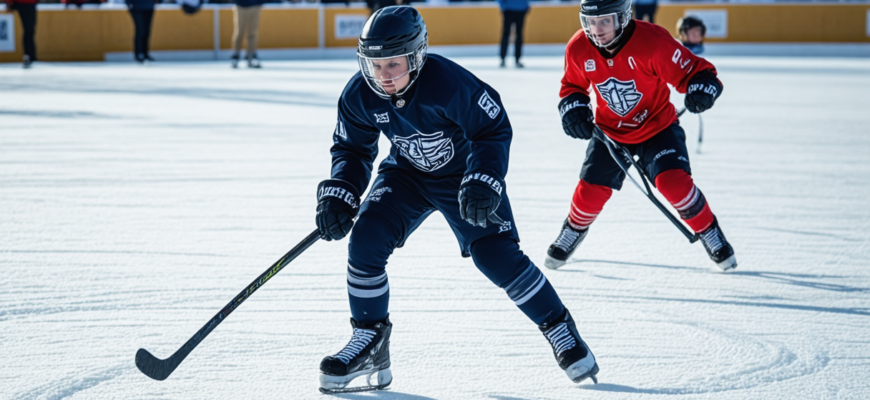
Hockey, often regarded as one of the most dynamic and fast-paced sports, relies heavily on players’ ability to efficiently retrieve and chase the puck. For amateur enthusiasts aiming to improve their gameplay, understanding and mastering these fundamental skills can significantly elevate their performance on the ice. This comprehensive guide explores the core concepts of puck retrieval and chase, offering practical techniques, strategies, and drills to develop these vital aspects of hockey play.
- Introduction to Puck Retrieval and Chase in Hockey
- Understanding the Importance of Puck Retrieval and Chase
- Why are puck retrieval and chase crucial in hockey?
- Fundamental Techniques for Puck Retrieval
- Proper Body Positioning
- Stick Skills and Control
- Anticipation and Reading the Play
- Footwork and Agility
- Techniques for Effective Puck Chase
- Accelerating and Closing the Gap
- Maintaining Defensive Posture
- Timing and Patience
- Chasing in Transition
- Strategies to Improve Puck Retrieval and Chase
- Positioning and Support
- Zone Defense and Gap Control
- Transition Drills
- Practical Drills to Develop Puck Retrieval and Chase Skills
- 1. The Poke Check Drill
- 2. Shadow Chase
- 3. Defensive Wall Drill
- 4. Transition Speed Exercise
- Metrics and Tools for Measuring Improvement
- Tips for Consistent Improvement
- Practice Regularly
- Analyze and Learn
- Stay Physically Fit
- Develop Hockey IQ
- Building a Solid Foundation in Puck Battles
- Further Resources
Introduction to Puck Retrieval and Chase in Hockey
At its essence, puck retrieval involves gaining possession of the puck in various game situations, while the chase refers to the act of pursuing the puck or opponents to regain control or disrupt plays. Both skills are intertwined and critical for maintaining offensive pressure, defending effectively, and transitioning seamlessly between offense and defense.
For amateur players, developing proficiency in puck retrieval and chase enhances overall game understanding, positioning, and agility. These skills can be the difference between winning and losing possession battles, creating scoring opportunities, or preventing goals.
Understanding the Importance of Puck Retrieval and Chase
Why are puck retrieval and chase crucial in hockey?
- Maintaining Possession: Consistent puck retrieval keeps your team in control of the game, enabling sustained offensive pressure.
- Defensive Disruption: Effective chasing can force turnovers from opponents, creating counter-attack opportunities.
- Strategic Advantage: Quick retrieval and chase can break opponents’ momentum and shift the pace of the game.
- Energy and Momentum: Momentum shifts often hinge on who dominates puck battles during the game.
Fundamental Techniques for Puck Retrieval
Proper Body Positioning
Proper positioning is the foundation for successful puck retrieval. Players should always position themselves to face the puck carrier or the area where the puck is expected to land. Keeping knees slightly bent, with a low center of gravity, allows for swift lateral movements and better balance.
Stick Skills and Control
Effective puck retrieval involves precise stickhandling and control. Players should focus on:
- Stick Low and Active: Keeping the stick blade close to the ice enables quick pokes and interceptions.
- Using the Blade Edge: To poke the puck away or intercept passes, players must master using both forehand and backhand edges effectively.
- Stick Radius and Reach: Extending the stick towards the puck without over-committing helps in maintaining balance and options for quick passes or shot setups.
Anticipation and Reading the Play
One of the key skills in puck retrieval is anticipating the opponent’s actions. Recognizing passing lanes, player tendencies, and puck carrier’s body language allows for preemptive moves, reducing the chances of being beaten to the puck.
Footwork and Agility
Efficient footwork enables quick lateral and backward movements necessary for closing gaps and intercepting passes. Exercises like ladder drills and cone navigation improve agility and speed.
Techniques for Effective Puck Chase
Accelerating and Closing the Gap
When chasing an opponent or puck, players should use short, quick strides to accelerate and close the distance rapidly. This approach ensures better control over the chase without overexerting energy.
Maintaining Defensive Posture
In pursuit, maintaining a low, wide stance with knees bent helps players stay balanced and ready to respond to sudden changes in direction. Keeping the stick active and on the ice prevents opponents from slipping away or passing easily.
Timing and Patience
Rushing the chase can lead to overextending and losing balance. Patience allows players to wait for the right moment to attempt a poke check, strip, or positional interference, increasing chances of success.
Chasing in Transition
During transitions from offense to defense, or vice versa, quick recovery and chase can disrupt opponents’ plays. Timing your chase during turnovers or deflections often results in scoring opportunities or shutdowns.
Strategies to Improve Puck Retrieval and Chase
Positioning and Support
Team strategies emphasize forward positioning and support. When one player pursues the puck, teammates should cover passing lanes and be ready for quick support or intercepts.
Zone Defense and Gap Control
Maintaining proper distance from opponents (gap control) and understanding zone coverage reduces open space and makes puck retrieval easier for teammates.
Transition Drills
Implementing drills that simulate game situations, such as turnovers and fast breaks, enhances players’ ability to chase effectively under pressure.
Practical Drills to Develop Puck Retrieval and Chase Skills
1. The Poke Check Drill
- Set up cones or markers to act as puck carriers.
- Players practice closing the distance and poking the puck away without committing to overreach.
- Focus on timing and stick control.
2. Shadow Chase
- One player acts as the puck carrier, while others shadow and attempt to intercept or impede progress.
- Emphasizes anticipation, quick acceleration, and lateral movement.
3. Defensive Wall Drill
- Players line up along the boards and practice retrieving the puck along the wall, transitioning into defensive chase after weak clearances.
- Enhances support and positional awareness.
4. Transition Speed Exercise
- Set up an offensive scenario where players recover loose pucks and transition into defensive chase.
- Focus on rapid decision-making and movement.
Metrics and Tools for Measuring Improvement
| Metric | Description | Tools/Methods |
|---|---|---|
| Time to Retain Puck | How quickly a player can regain and control the puck after a lost possession. | Stopwatch during drills, video analysis |
| Intercept Success Rate | Percentage of successful interceptions during drills or games. | Video review, statistical tracking |
| Agility Score | Improvement in lateral and rapid directional movements. | Agility ladder drills, timed cone drills |
| Reaction Time | Speed of responding to puck or opponent movement. | Reaction tests, situational drills |
Tips for Consistent Improvement
Practice Regularly
Consistency is vital. Regular drills, even short daily sessions focused on puck retrieval and chase, reinforce muscle memory and technical skills.
Analyze and Learn
Use video recordings of games or practice to identify weaknesses and adjust techniques accordingly.
Stay Physically Fit
Endurance, strength, and agility are essential for sustained high-level performance. Incorporate strength training and cardio into training routines.
Develop Hockey IQ
Understanding game flow, reading opponents’ intentions, and anticipating plays greatly improve puck retrieval and chase success.
Building a Solid Foundation in Puck Battles
For amateur hockey enthusiasts, mastering puck retrieval and chase is indispensable. These skills not only enhance individual performance but also contribute significantly to team success. By focusing on proper technique, strategic positioning, and consistent practice through targeted drills, players can become more confident and effective in puck battles, turning the tide of the game in their favor. As with all skills, patience and dedication lead to continual improvement and greater enjoyment of the game.
Further Resources
- Hockey Skills and Drills for Beginners
- Effective Defensive Strategies in Hockey
- Offensive Playmaking Tips
Remember, the key to hockey success is perseverance and continuous learning. Embrace every opportunity to hone your puck retrieval and chase skills, and watch your game transform over time.
Похожие записи:
 Mastering Passing and Receiving the Puck: Essential Skills for Amateur Hockey Players
  Mastering Puck Possession: Essential Techniques for Amateur Hockey Players
  Mastering the Art of Puck Recovery: Strategies for Effective Play in Amateur Hockey
  Building Confidence in Your Skating and Puck Skills: A Complete Guide for Amateur Hockey Players
  Essential Stickhandling Drills for New Hockey Players: Improve Your Skills on Ice
  Effective Simple Drills to Boost Puck Control and Agility for Amateur Hockey Players
  Introductory Power Skating Exercises: Essential Skills for Aspiring Hockey Players
  Essential Offensive Strategies in Hockey for Amateur Players
  Mastering Balance and Stability: Essential Techniques for Amateur Hockey Players
  Mastering the Ice: Essential Defensive Positioning Strategies in Hockey for Amateurs
  Mastering the Art of Following a Hockey Game’s Flow: Essential Tips for Amateur Players to Improve Awareness
  Mastering the Art of Dodging and Avoiding Opponents in Hockey: Tips for Amateur Players
  Incorporating Fun Drills to Enhance Hockey Skills: A Guide for Amateur Players
  Mastering Precision: Essential Drills to Improve Passing Accuracy in Hockey
  Mastering the Art of Effective Ice Stops: Essential Techniques for Amateur Hockey Players
  Mastering the Ice: Essential Hockey Etiquette and Sportsmanship for Amateur Players