
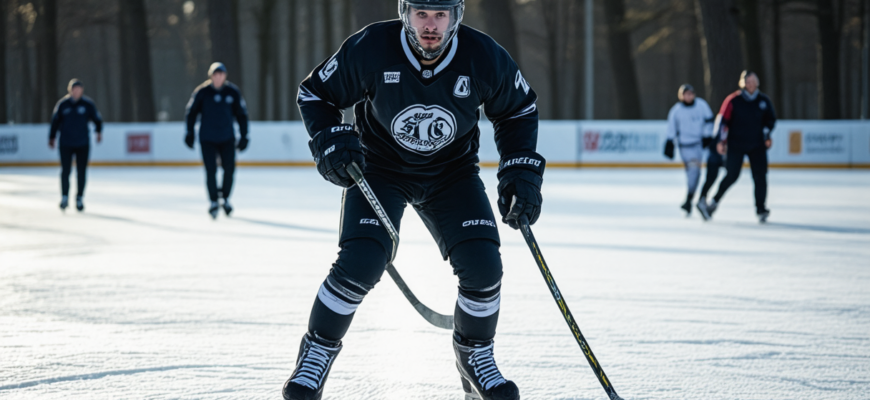
Hockey is an intense sport that demands a high level of physical endurance, agility, and quick decision-making. For amateur players, developing stamina is crucial not only for improving performance but also for reducing the risk of injuries caused by fatigue. Whether you are a beginner or an intermediate player looking to elevate your game, understanding effective methods to boost stamina can significantly enhance your experience on the ice. This comprehensive guide explores simple yet powerful strategies that can help hockey enthusiasts build stamina systematically and effectively.
- Understanding the Importance of Stamina in Hockey
- Fundamental Principles of Building Endurance
- Consistency and Progression
- Variety in Training
- Specificity
- Effective Exercises to Boost Hockey Stamina
- 1. Aerobic Base Building
- Sample Weekly Aerobic Routine:
- 2. High-Intensity Interval Training (HIIT)
- Example HIIT Workout:
- 3. Strength and Muscular Endurance Training
- 4. Skating-Specific Endurance Drills
- Sample Weekly Training Plan for Amateur Hockey Players
- Nutrition Tips to Support Endurance Building
- Additional Tips to Maximize Stamina Gains
- 1. Quality Sleep
- 2. Proper Warm-up and Cool-down
- 3. Track Progress
- 4. Rest and Recovery
- Common Mistakes to Avoid When Building Stamina
- Achieving Endurance for Better Hockey Performance
- Additional Resources
Understanding the Importance of Stamina in Hockey
Hockey is a fast-paced, high-intensity sport where players are constantly moving, shifting directions, and engaging in physical battles. The game typically lasts 60 minutes divided into three periods, with players often covering several kilometers in a single match. To keep up with the fast tempo and sustain energy levels throughout the game, players need robust cardiovascular and muscular endurance.
Enhanced stamina translates into:
- Better recovery during breaks
- Increased speed and agility
- More effective collision resistance
- Reduced fatigue and injury risk
For amateur players, building stamina can be achieved without overly complex or expensive equipment, making it accessible to everyone who is committed to improving their hockey performance.
Fundamental Principles of Building Endurance
Consistency and Progression
Endurance develops gradually through consistent training. Starting with manageable intensity and gradually increasing workload ensures safe and sustainable progress. Overtraining can lead to injuries and burnout, so listening to your body and allowing adequate recovery is essential.
Variety in Training
Mixing different types of exercises not only keeps training interesting but also targets various components of stamina, including aerobic capacity, muscular endurance, and recovery efficiency.
Specificity
Training should emulate the physical demands of hockey as closely as possible. Incorporating skating, agility drills, and sport-specific endurance exercises prepares the body for real match conditions.
Effective Exercises to Boost Hockey Stamina
1. Aerobic Base Building
Building a solid aerobic base is the foundation of stamina. Activities like jogging, cycling, or swimming can significantly improve cardiovascular health. Aim for at least 3-4 sessions per week of 30-60 minutes at a moderate intensity.
Sample Weekly Aerobic Routine:
- Monday: 30 minutes jogging
- Wednesday: 45 minutes cycling
- Friday: 40 minutes swimming
- Sunday: Active rest or light activity
2. High-Intensity Interval Training (HIIT)
HIIT involves alternating short bursts of intense activity with recovery periods. This method enhances both aerobic and anaerobic fitness, vital for hockey’s variable pace.
Example HIIT Workout:
- Warm-up: 5 minutes light skating or running
- 30 seconds sprint / 90 seconds walk or light skating (repeat 8-10 times)
- Cool-down: 5 minutes stretching
This session can be done 2-3 times per week for optimal results.
3. Strength and Muscular Endurance Training
While stamina is primarily cardiovascular, muscular endurance supports sustained effort during shifts. Focus on functional exercises such as:
- Squats
- Deadlifts
- Push-ups
- Core exercises (planks, Russian twists)
Incorporate circuit training with minimal rest to boost muscular stamina alongside cardio routines.
4. Skating-Specific Endurance Drills
Since hockey is predominantly played on ice, improving skating stamina is paramount. Techniques include:
- Continuous skating laps at varying speeds
- Shuttle sprints on the ice
- Edge control drills to enhance balance and endurance
- Jumping and plyometric exercises on skates or on the ground
Sample Weekly Training Plan for Amateur Hockey Players
| Day | Workout Focus | Description |
|---|---|---|
| Monday | Endurance & Cardio | Jogging or cycling for 45 minutes at moderate pace |
| Tuesday | Strength & Functional Training | Bodyweight circuits, squats, push-ups, core workouts |
| Wednesday | On-Ice Skill & Endurance | Skating laps, sprints, agility drills |
| Thursday | Interval Training | HIIT session: sprints and recovery periods |
| Friday | Rest or Active Recovery | Stretching, yoga, or light walking |
| Saturday | Game Simulation / Long Session | Extended skating drills, scrimmages, or gameplay practice |
| Sunday | Rest or Light Activity | Relaxing walk, light stretching |
Nutrition Tips to Support Endurance Building
Proper nutrition plays a vital role in stamina development. To fuel prolonged physical activity, consider the following dietary tips:
- Carbohydrates: The primary energy source. Include complex carbs like oats, brown rice, and vegetables.
- Proteins: Support muscle repair and recovery. Incorporate lean meats, fish, eggs, and legumes.
- Healthy Fats: Essential for overall health. Sources include nuts, seeds, avocados, and olive oil.
- Hydration: Staying well-hydrated is crucial, especially during and after workouts.
- Electrolytes: Replenish lost minerals through sports drinks or electrolyte-rich foods during intense training.
Additional Tips to Maximize Stamina Gains
1. Quality Sleep
Adequate sleep (7-9 hours per night) allows the body to recover and adapt to training stresses, facilitating stamina improvements.
2. Proper Warm-up and Cool-down
Always begin training with light activity to prepare muscles and end with stretching to promote recovery.
3. Track Progress
Monitor improvements through timing drills, endurance tests, or performance logs. Adjust training intensity based on progress.
4. Rest and Recovery
Include rest days to prevent overtraining and allow muscle repair, which is essential for sustained growth.
Common Mistakes to Avoid When Building Stamina
- Ignoring gradual progression; jumping into high-intensity workouts too soon
- Neglecting proper nutrition and hydration
- Overtraining without adequate rest
- Concetrating only on one aspect of fitness; neglecting flexibility and strength
- Failing to warm-up and cool-down each session
Achieving Endurance for Better Hockey Performance
Building stamina for hockey does not require complicated routines or expensive equipment. Focused, consistent training that combines cardiovascular exercises, sport-specific skating drills, strength training, and proper nutrition creates a solid foundation for improving endurance. Over time, these simple strategies result in increased energy, better performance, and greater enjoyment of the game. Patience and perseverance are key—regular practice, combined with smart recovery and nutrition, will pave the way to becoming a more resilient and skilled hockey player.
Additional Resources
- Hockey endurance training programs
- Nutrition guides for hockey players
- On-ice agility drills for amateurs
Start today by incorporating one or two new exercises into your routine and gradually increase the intensity. Your body will thank you when you step onto the ice with renewed stamina and confidence!
Похожие записи:
 Simple and Effective Ways to Improve Your Balance on Skates for Amateur Hockey Players
  Effective Simple Drills to Boost Puck Control and Agility for Amateur Hockey Players
  The Ultimate Guide: Why Hydration and Nutrition Are Vital for Hockey Players
  Ultimate Guide to Drills that Boost Eye and Hand Coordination for Amateur Hockey Enthusiasts
  The Crucial Role of Fitness and Strength in Hockey Performance
  Mastering Balance and Stability: Essential Techniques for Amateur Hockey Players
  Introductory Power Skating Exercises: Essential Skills for Aspiring Hockey Players
  Mastering Speed and Control in Skating: The Ultimate Guide for Amateur Hockey Players
  Building Confidence in Your Skating and Puck Skills: A Complete Guide for Amateur Hockey Players
  How to Stay Motivated as a Beginner Hockey Player: Tips for Amateur Enthusiasts
  Incorporating Fun Drills to Enhance Hockey Skills: A Guide for Amateur Players
  Mastering the Art of Shooting with a Stick in Hockey: The Ultimate Guide for Beginners
  Mastering the Fundamentals of Puck Retrieval and Chase in Hockey: Essential Skills for Amateur Players
  Choosing a Suitable Hockey Bag for Amateur Players: The Ultimate Guide
  Ultimate Guide to Essential Protective Equipment for Female Amateur Hockey Players
  Starting with Beginner-Friendly Hockey Drills: A Complete Guide for Amateur Players