
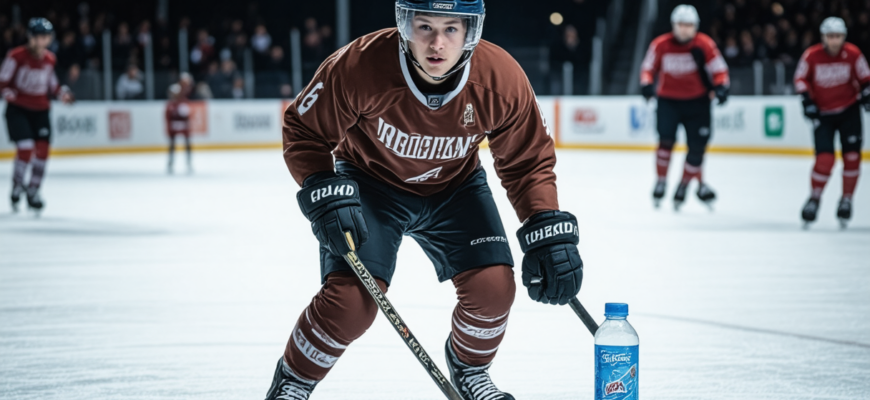
Hockey is an intense sport that demands high levels of physical endurance, strength, agility, and quick decision-making. Whether you’re a casual player or an aspiring amateur, understanding the importance of proper hydration and nutrition is crucial for optimal performance, recovery, and overall health. Despite the fast-paced nature of hockey, many players overlook these fundamental aspects, which can lead to fatigue, decreased stamina, and increased risk of injury. This comprehensive guide explores why maintaining proper hydration and nutrition is essential for hockey players and how to implement effective strategies to stay at your best on the ice.
- The Critical Role of Hydration in Hockey Performance
- Why Hydration Matters
- Effects of Dehydration on Hockey Players
- Signs of Dehydration to Watch For
- Hydration Strategies for Hockey Players
- Before the Game or Practice
- During Play
- Post-Game or Practice
- Electrolyte Balance and Hydration
- Optimal Nutrition for Hockey Players
- Macronutrients: Carbohydrates, Proteins, and Fats
- Micronutrients: Vitamins and Minerals
- Timing of Meals and Snacks
- Sample Daily Meal Plan for Hockey Players
- The Science Behind Nutrition and Hydration
- ATP and Energy Production
- Electrolyte Function
- Impact of Nutrition on Recovery
- Practical Tips for Amateur Hockey Players
- Common Mistakes to Avoid
The Critical Role of Hydration in Hockey Performance
Why Hydration Matters
Water constitutes approximately 60% of the human body and plays a vital role in numerous physiological processes, especially during physically demanding activities like hockey. Proper hydration ensures efficient regulation of body temperature, lubrication of joints, nutrient transport, and waste removal. During a game or intense practice, players can lose significant amounts of fluids through sweat, which, if not replenished, can impair physical and cognitive functions.
Effects of Dehydration on Hockey Players
Dehydration, even at mild levels, can have adverse effects on athletic performance, including:
- Reduced stamina: Dehydration decreases blood volume, making the heart work harder to deliver oxygen and nutrients.
- Cognitive decline: Concentration, decision-making, and reaction times deteriorate when dehydrated.
- Muscle cramps and fatigue: Loss of electrolytes leads to muscle cramps, while fatigue hampers speed and agility.
- Increased injury risk: Dehydration affects coordination, balance, and overall readiness, raising injury risks during play.
Signs of Dehydration to Watch For
Hockey players should be vigilant about signs indicating dehydration:
- Dry mouth and sticky saliva
- Dark-colored urine
- Dizziness or lightheadedness
- Muscle cramps
- Headaches
- Decreased sweating
Hydration Strategies for Hockey Players
Before the Game or Practice
Start hydrating well in advance — about 2 to 3 hours before playing. Drink approximately 500–600 ml of water or electrolyte-enhanced beverages to maximize hydration levels.
During Play
Consume small amounts of fluids regularly, ideally every 15–20 minutes. For sessions lasting longer than an hour or in hot conditions, consider drinks containing electrolytes such as sodium, potassium, and magnesium to replace lost minerals.
Post-Game or Practice
Rehydrate promptly by drinking at least 500 ml of water or an electrolyte-rich fluid within 30 minutes after the activity. Continue to hydrate over the next few hours to restore fluid balance.
Electrolyte Balance and Hydration
Electrolytes are vital for maintaining fluid balance and nerve signaling. During intense hockey sessions, electrolyte losses through sweat can lead to imbalances. Incorporate foods rich in sodium, potassium, magnesium, and calcium in meals, and consider electrolyte drinks during prolonged activity to support recovery and performance.
Optimal Nutrition for Hockey Players
Macronutrients: Carbohydrates, Proteins, and Fats
Nutrition provides the energy needed for high-intensity activities and recovery. The balance of macronutrients influences stamina, muscle repair, and overall health. Here’s a breakdown:
| Macronutrient | Role in Hockey | Ideal Sources |
|---|---|---|
| Carbohydrates | Primary energy source for high-intensity efforts and endurance | Whole grains, fruits, vegetables, legumes |
| Proteins | Muscle repair, recovery, immune function | Lean meats, fish, dairy, beans, nuts |
| Fats | Sustained energy, hormone production, cell health | Healthy oils (olive, flaxseed), nuts, seeds, avocados |
Micronutrients: Vitamins and Minerals
Essential for energy production, immune health, and muscle function, micronutrients should be obtained through a varied diet. Focus on foods rich in vitamins A, C, D, E, as well as minerals like zinc, iron, and calcium.
Timing of Meals and Snacks
Strategic meal planning helps maintain energy levels and optimize performance:
- Pre-game meal (3-4 hours before): Focus on complex carbohydrates, moderate protein, and low fat. Example: Grilled chicken with quinoa and vegetables.
- Snack (1 hour before): Quick-digesting carbs with a small amount of protein. Example: Banana with peanut butter or energy bar.
- During game: Small carbohydrate-rich snacks if available (e.g., sports gels, fruit).
- Post-game recovery: Prioritize proteins and carbs for muscle repair and glycogen replenishment. Example: Protein shake with fruit or Greek yogurt with berries.
Sample Daily Meal Plan for Hockey Players
- Breakfast: Oatmeal with nuts, berries, and a boiled egg
- Mid-morning snack: Apple and a handful of almonds
- Lunch: Grilled salmon, sweet potatoes, steamed broccoli
- Afternoon snack: Cottage cheese with sliced fruit
- Dinner: Turkey stir-fry with vegetables and brown rice
- Evening snack: Greek yogurt with honey and walnuts
The Science Behind Nutrition and Hydration
ATP and Energy Production
Adenosine triphosphate (ATP) is the energy currency of cells. Carbohydrates are the primary source for replenishing ATP during hockey play. The body stores glycogen in muscles and liver, which is tapped into during exercise, emphasizing the importance of carbohydrate intake in diet.
Electrolyte Function
Electrolytes facilitate nerve signal transmission and muscle contraction. An imbalance can cause cramps, dizziness, and performance drops. Maintaining proper electrolyte levels through diet and fluids ensures muscles function correctly and players stay responsive.
Impact of Nutrition on Recovery
Proper post-game nutrition accelerates muscle repair and strengthens the immune system, reducing fatigue and infection risk. The combination of proteins and carbohydrates enhances glycogen replenishment and muscle synthesis.
Practical Tips for Amateur Hockey Players
- Stay consistent with hydration before, during, and after games.
- Plan meals ahead to avoid unhealthy choices under hunger or time pressure.
- Keep portable healthy snacks accessible at the rink.
- Listen to your body’s thirst signals and avoid ignoring them.
- Incorporate a variety of nutrient-dense foods to cover all nutritional bases.
- Use sport-specific hydration products during long sessions but prioritize natural foods and water.
Common Mistakes to Avoid
- Ignoring hydration needs: Failing to drink enough fluids leads to dehydration.
- Relying solely on processed snacks: These can cause energy crashes and lack essential nutrients.
- Skipping meals or snacks: Leads to fatigue and decreased performance.
- Over-consuming caffeine or energy drinks: Can cause dehydration and jitters.
- Not refueling post-game: Prolongs recovery time and hampers muscle rebuilding.
For amateur hockey players, mastering the basics of hydration and nutrition can significantly elevate on-ice performance, enhance stamina, and promote swift recovery. Proper fluid intake prevents dehydration and associated performance declines, while a balanced diet ensures the body has the necessary energy reserves and nutrients to face the physical demands of hockey. By integrating these practices into training routines and game days, players can enjoy a safer, more effective, and more enjoyable hockey experience. Emphasizing hydration and nutrition isn’t just about improving performance—it’s about supporting overall health and long-term enjoyment of the sport.
Похожие записи:
 Mastering Speed and Control in Skating: The Ultimate Guide for Amateur Hockey Players
  The Crucial Role of Fitness and Strength in Hockey Performance
  Ultimate Guide: How to Properly Clean and Maintain Your Hockey Gear
  Mastering Concentration: Proven Tips to Maintain Mental Focus During Hockey Games
  Incorporating Fun Drills to Enhance Hockey Skills: A Guide for Amateur Players
  Building Confidence in Your Skating and Puck Skills: A Complete Guide for Amateur Hockey Players
  Basic Strategies for Beginner Hockey Players: A Complete Guide for Amateur Enthusiasts
  Starting with Beginner-Friendly Hockey Drills: A Complete Guide for Amateur Players
  Simple and Effective Ways to Improve Your Balance on Skates for Amateur Hockey Players
  How to Wear Your Helmet and Pads Safely: A Complete Guide for Amateur Hockey Players
  Mastering the Art of Effective Ice Stops: Essential Techniques for Amateur Hockey Players
  How to Stay Motivated as a Beginner Hockey Player: Tips for Amateur Enthusiasts
  Mastering Passing and Receiving the Puck: Essential Skills for Amateur Hockey Players
  Mastering Hockey: How Watching Online Tutorials and Videos Can Elevate Your Game for Amateur Players
  Mastering the Art of Anticipation: How Amateur Hockey Players Can Predict Opponents’ Moves
  The Surprising Benefits of Playing Small-Area Hockey for Amateur Players