
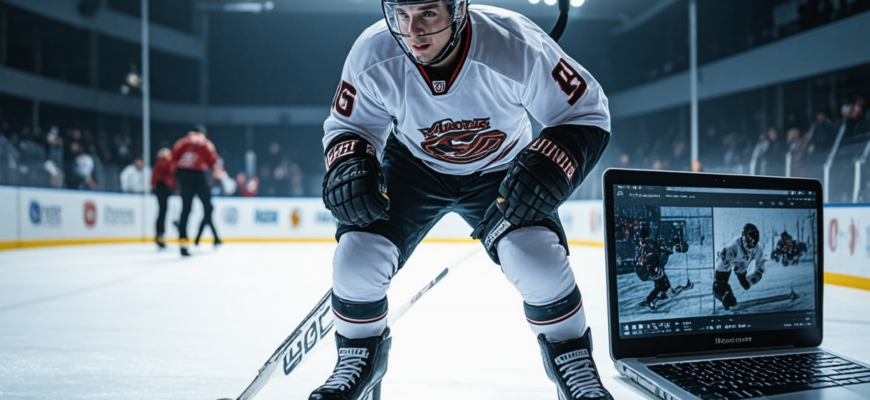
For many aspiring hockey players, the journey from novice to skilled athlete is filled with countless hours on the ice, rigorous training, and a deep passion for the sport. In the digital age, one of the most accessible and effective tools for improving hockey skills is the abundance of online tutorials and videos. These resources provide invaluable insights, practical tips, and detailed demonstrations that can significantly accelerate skill development for amateur players. This comprehensive guide explores how watching hockey videos and tutorials can help amateurs learn faster, improve their techniques, and deepen their understanding of the game.
- Why Watching Online Hockey Tutorials and Videos Is Beneficial
- 1. Accessibility and Convenience
- 2. Wide Range of Content and Expertise
- 3. Visual Learning and Demonstration
- 4. Cost-Effective Training
- Types of Hockey Tutorials and Videos Available Online
- 1. Skill Development Videos
- 2. Tactical and Strategy Content
- 3. Fitness and Conditioning
- 4. Equipment and Maintenance Guides
- How to Effectively Use Online Tutorials for Skill Improvement
- 1. Set Clear Goals
- 2. Choose Reputable Sources
- 3. Practice Alongside Watching
- 4. Take Notes and Track Progress
- 5. Incorporate Feedback and Variations
- Examples of Effective Online Hockey Tutorials and Platforms
- 1. YouTube Channels
- 2. Specialized Websites and Apps
- Integrating Video Learning into a Training Routine
- Designing a Weekly Training Schedule
- Sample Weekly Plan
- Common Challenges and How to Overcome Them
- 1. Information Overload
- 2. Lack of Feedback
- 3. Inconsistent Practice
- 4. Not Applying Skills in Real Play
- Enhancing Hockey Skills Through Online Video Resources
- Additional Tips for Maximizing Your Learning Experience
- Final Words
Why Watching Online Hockey Tutorials and Videos Is Beneficial
1. Accessibility and Convenience
One of the primary advantages of online hockey content is its availability. Whether at home, in a hotel during travel, or even outdoors, players can access high-quality instructional videos from any device with an internet connection. Unlike traditional coaching sessions, which may be limited by geographic location or scheduling conflicts, online tutorials are accessible 24/7, allowing players to learn at their own pace.
2. Wide Range of Content and Expertise
The internet offers a vast library of videos covering every aspect of hockey—from basic skating techniques to advanced offensive strategies. This diversity allows amateur players to focus on specific areas they wish to improve, or to get a comprehensive overview of the game. Renowned coaches, former professional players, and hockey enthusiasts all contribute to this rich pool of knowledge, ensuring high-quality and varied content.
3. Visual Learning and Demonstration
Hockey is a sport heavily reliant on movement, timing, and spatial awareness. Watching videos enables players to see correct techniques and tactics in action. Visual demonstrations help learners understand the proper form, angles, and positions, which are often difficult to grasp through text alone.
4. Cost-Effective Training
Compared to enrolling in private coaching or attending clinics, online tutorials are often free or low-cost. This makes it an economical way for amateurs to access expert advice and training materials, especially for those with limited budgets.
Types of Hockey Tutorials and Videos Available Online
1. Skill Development Videos
- Skating techniques and drills
- Puck handling and stick control
- Passing and shooting accuracy
- Body positioning and balance
2. Tactical and Strategy Content
- Offensive plays and positioning
- Defensive tactics and zone coverage
- Power plays and penalty kills
- Breakout strategies
3. Fitness and Conditioning
- Endurance and stamina training
- Strength exercises specific to hockey
- Flexibility and injury prevention
4. Equipment and Maintenance Guides
- Choosing the right gear
- Proper skate fitting
- Maintenance and safety tips
How to Effectively Use Online Tutorials for Skill Improvement
1. Set Clear Goals
Before diving into videos, define what skills or areas you wish to improve. Whether it’s mastering puck control, improving skating speed, or understanding game tactics, having specific goals helps in selecting relevant content and measuring progress.
2. Choose Reputable Sources
Not all online content is created equal. Seek out tutorials from trusted coaches, professional players, or reputable hockey training channels. Look for videos with good production quality, clear explanations, and positive reviews.
3. Practice Alongside Watching
Active practice is essential. Watch the demonstration, then pause the video to practice the movement. Repeating the drills multiple times helps in muscle memory development and technical refinement.
4. Take Notes and Track Progress
Maintain a training journal or digital notes to record tips, exercises, and your observations. Regularly review your progress and adjust your practice routines accordingly.
5. Incorporate Feedback and Variations
If possible, record your practice sessions to compare with the tutorials. Seek feedback from coaches or fellow players to identify areas for improvement. Also, vary your training to cover different aspects of the game and prevent plateaus.
Examples of Effective Online Hockey Tutorials and Platforms
1. YouTube Channels
| Channel Name | Description | Highlights |
|---|---|---|
| Silky Smooth Hockey | Focuses on skills and drills for all levels, with detailed explanations and demonstrations. | Skating techniques, puck handling drills. |
| Hockey Tutorial | Provides tactical videos, game analysis, and skill development content. | Power play strategies, defensive positioning. |
| USA Hockey | Official channel offering coaching tips, training drills, and youth development advice. | Beginner to advanced tutorials, safety tips. |
2. Specialized Websites and Apps
- Hockey Tutorial Online: Offers structured courses and tutorials from professional coaches.
- CoachTube: Platform with hockey coaching courses, including videos on skills, tactics, and fitness.
- Hockey Canada Training: Provides resources and videos for player development at various age levels.
Integrating Video Learning into a Training Routine
Designing a Weekly Training Schedule
- Identify 2-3 key focus areas per week.
- Allocate specific days for watching tutorials and practicing corresponding skills.
- Include rest and recovery days to prevent burnout and injury.
- Regularly evaluate progress and adjust your routine.
Sample Weekly Plan
| Day | Activities |
|---|---|
| Monday | Watch skating tutorials, practice edge work on ice |
| Tuesday | Work on puck handling drills, record practice sessions |
| Wednesday | Review offensive tactics videos, simulate plays during practice |
| Thursday | Focus on shooting accuracy, use videos for tips, practice shooting |
| Friday | Watch defensive positioning tutorials, implement in game scenarios |
| Saturday | Game or scrimmage, apply learned techniques |
| Sunday | Rest and review progress videos, plan next week’s focus |
Common Challenges and How to Overcome Them
1. Information Overload
With so many tutorials available, beginners may feel overwhelmed. To avoid this, focus on a few high-quality resources at a time, and gradually expand your library as your skills improve.
2. Lack of Feedback
Watching videos alone may not provide enough correction. Supplement video learning with periodic visits to coaches or experienced players for feedback and personalized advice.
3. Inconsistent Practice
Consistency is crucial. Set aside dedicated time each week for practice and viewing tutorials. Use reminders and tracking tools to maintain motivation.
4. Not Applying Skills in Real Play
Watching and practicing alone are not enough—it’s vital to participate in actual games or scrimmages to apply skills under real conditions and develop game sense.
Enhancing Hockey Skills Through Online Video Resources
For amateur hockey enthusiasts, leveraging online tutorials and videos is a highly effective strategy for skill development and tactical understanding. These resources offer convenience, variety, and visual clarity that can accelerate progress and deepen appreciation for the sport. By setting clear goals, choosing reputable sources, actively practicing, and integrating these materials into a structured routine, aspiring players can see measurable improvements on the ice. As the digital landscape continues to evolve, the possibilities for self-directed hockey learning become more accessible and engaging than ever before, enabling amateurs to unlock their full potential and enjoy the game to its fullest.
Additional Tips for Maximizing Your Learning Experience
- Join online hockey communities and forums to exchange tips and experiences.
- Participate in online webinars or live coaching sessions when available.
- Stay updated with new video content to learn innovative techniques and trends.
- Combine online learning with physical training and on-ice practice for comprehensive development.
Final Words
Remember, mastery of hockey skills requires patience, persistence, and continuous learning. Watching online tutorials and videos is a powerful supplement to hands-on practice, offering insights that might take years to acquire through traditional means alone. Embrace this approach, stay committed, and enjoy the journey of becoming a better hockey player—on and off the ice.
Похожие записи:
 Mastering the Art of Following a Hockey Game’s Flow: Essential Tips for Amateur Players to Improve Awareness
  Mastering the Art of Anticipation: How Amateur Hockey Players Can Predict Opponents’ Moves
  Incorporating Fun Drills to Enhance Hockey Skills: A Guide for Amateur Players
  Mastering Speed and Control in Skating: The Ultimate Guide for Amateur Hockey Players
  Starting with Beginner-Friendly Hockey Drills: A Complete Guide for Amateur Players
  Mastering Passing and Receiving the Puck: Essential Skills for Amateur Hockey Players
  Mastering the Art of Effective Ice Stops: Essential Techniques for Amateur Hockey Players
  Building Confidence in Your Skating and Puck Skills: A Complete Guide for Amateur Hockey Players
  Mastering the Ice: Essential Hockey Etiquette and Sportsmanship for Amateur Players
  The Surprising Benefits of Playing Small-Area Hockey for Amateur Players
  How to Stay Motivated as a Beginner Hockey Player: Tips for Amateur Enthusiasts
  Basic Strategies for Beginner Hockey Players: A Complete Guide for Amateur Enthusiasts
  Simple and Effective Ways to Improve Your Balance on Skates for Amateur Hockey Players
  Mastering Hockey Shooting Techniques from Different Angles: A Guide for Amateurs
  Mastering Hockey Stick Handling: Essential Techniques for Beginners
  Mastering the Ice: A Comprehensive Guide to the Basic Rules of Ice Hockey for Beginners