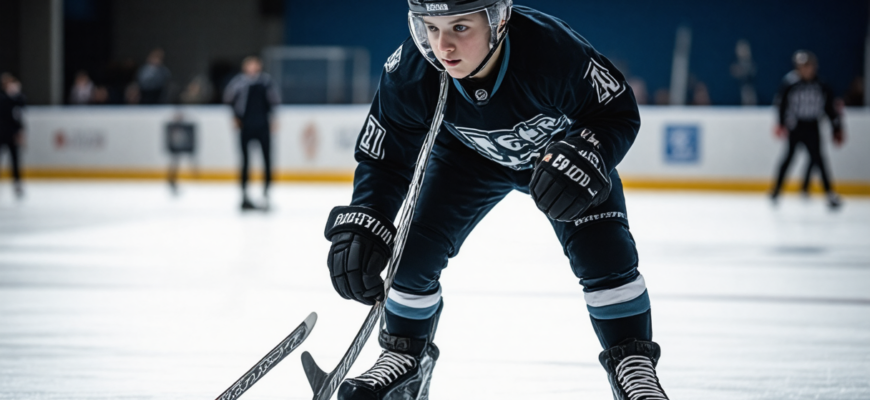
Hockey is a fast-paced, exciting sport that combines skill, agility, and precision. One of the fundamental skills every novice player must master is the proper way to hold and handle a hockey stick. Proper grip and technique not only enhance performance but also reduce the risk of injury, improve puck control, and increase overall confidence on the ice. This comprehensive guide will offer detailed instructions, tips, and exercises to help beginners learn how to hold a hockey stick correctly.
- Why Proper Hockey Stick Handling Matters
- Understanding the Hockey Stick: Anatomy and Types
- Hockey Stick Components
- Types of Hockey Sticks
- Preparing to Hold a Hockey Stick Correctly
- Choosing the Right Stick Size
- Equipment and Environment Preparation
- How to Hold a Hockey Stick: Step-by-Step Instructions
- Basic Grip Position
- Hand Placement and Alignment
- Correct Posture for Holding the Stick
- Common Mistakes and How to Avoid Them
- Mistake 1: Holding the Stick Too Tightly
- Mistake 2: Incorrect Hand Placement
- Mistake 3: Poor Posture
- Drill Exercises to Improve Holding Technique
- 1. Shadow Stick Handling
- 2. Wall Passes
- 3. One-Handed Drills
- 4. Puck Control Walk
- Advanced Tips for Grip Optimization
- Summary and Final Thoughts
- Additional Resources for Aspiring Hockey Players
Why Proper Hockey Stick Handling Matters
Effective hockey stick handling is crucial for several reasons:
- Control: Ensures better puck handling, passing, and shooting accuracy.
- Power: Proper grip allows for more effective power transfer during shots and checks.
- Agility: Facilitates quick pivots, turns, and maneuvers on the ice.
- Injury Prevention: Correct grip minimizes strain on wrists, elbows, and shoulders.
- Confidence: Well-developed handling skills boost confidence during gameplay.
Understanding the Hockey Stick: Anatomy and Types
Hockey Stick Components
Before learning how to hold the stick, it is important to understand its parts:
| Part | Description |
|---|---|
| Blade | The flat, curved part that contacts the puck. |
| Curve | The shape of the blade’s curvature, affecting puck control and shooting style. |
| Shaft | The long, cylindrical part held by the player. |
| Heel | The part of the shaft that connects to the blade. |
| Toe | The tip of the blade furthest from the shaft. |
| Handle/Grip | The upper part of the shaft, often with textured material for grip. |
Types of Hockey Sticks
Hockey sticks come in various materials, lengths, and flex ratings:
- Materials: Wood, composite, or hybrid. Composite sticks are lighter and more durable.
- Flex Rating: Indicates the softness or stiffness of the shaft; lower flex (e.g., 85) is more flexible, higher flex (e.g., 100) is stiffer.
- Curve Pattern: Different curves impact puck control, shooting, and handling.
Preparing to Hold a Hockey Stick Correctly
Choosing the Right Stick Size
Proper stick length is essential to developing correct technique. To find the right size:
- Stand straight on skates or shoes with the hockey stick upright beside you.
- Grip the stick with one hand at the top of the shaft.
- If the stick reaches somewhere between your chin and nose, it is generally the right length.
- Adjust for personal comfort and playing style, especially for different positions.
Equipment and Environment Preparation
Ensure that you have the appropriate gear and a safe space for practice:
- Wear protective gear if practicing on ice or in a rink.
- Use a clean, flat surface or ice rink with sufficient space.
- Have a puck or ball (for dryland practice) available for handling drills.
How to Hold a Hockey Stick: Step-by-Step Instructions
Basic Grip Position
The fundamental grip for hockey is known as the “push grip,” which provides control and power. Follow these steps:
- Top Hand: Place your dominant hand at the very top of the stick’s grip or handle. Wrap your fingers around, ensuring a firm but relaxed grip. Your thumb should rest comfortably along the shaft.
- Lower Hand: Position your other hand approximately midway down the shaft, with the palm facing inward. This hand provides leverage during powerful shots and passes.
- Grip Firmness: Maintain a grip that is firm enough to control the stick but not so tight as to cause tension, which can impair flexibility and quick movements.
Hand Placement and Alignment
Proper hand placement promotes better control:
| Position | Description |
|---|---|
| Top Hand | Held firmly at the top of the shaft, with the thumb resting along the side for stability. |
| Lower Hand | Placed about halfway down, relaxed but controlled, with the palm facing inward toward the body. |
Correct Posture for Holding the Stick
Stand with knees slightly bent, feet shoulder-width apart, and back straight. Keep your head up, eyes focused on the puck or play. Relax your arms and shoulders for agility and quicker reactions. Avoid holding the stick too tightly or in unnatural positions, which can hinder movement and cause fatigue.
Common Mistakes and How to Avoid Them
Mistake 1: Holding the Stick Too Tightly
A common error among beginners is gripping the stick with excessive force. This causes tension in the hands, wrists, and arms, limiting flexibility and control. To avoid this, practice a relaxed grip, focusing on fluid movements.
Mistake 2: Incorrect Hand Placement
Placing hands too close together or unevenly can reduce control and accuracy. Ensure your top hand is firmly at the top, and the lower hand is comfortably positioned midway down the shaft.
Mistake 3: Poor Posture
Standing stiffly or with hunched shoulders impairs agility. Maintain a balanced stance with knees slightly bent and head up.
Drill Exercises to Improve Holding Technique
1. Shadow Stick Handling
Practice holding and moving the stick without a puck, focusing on hand placement and posture. Mimic skating motions and stick-puck handling to develop muscle memory.
2. Wall Passes
Stand a few feet from a wall and pass the puck against it using proper grip techniques. Focus on controlled puck control and accurate passes. Repeat multiple times to build consistency.
3. One-Handed Drills
Practice handling the stick with only one hand at a time to strengthen grip and wrist control. Use this drill to develop better hand coordination and strength.
4. Puck Control Walk
Walk slowly while keeping the puck close to the blade. Concentrate on maintaining a relaxed grip and proper posture. This drill enhances puck handling under movement.
Advanced Tips for Grip Optimization
| Tip | Description |
|---|---|
| Adjust Grip for Different Shots | Softer grip for finesse passes and wrist shots; firmer grip for slapshots and checks. |
| Use Grip Tape | Apply grip tape or textured material to the handle area for enhanced control, especially in wet conditions. |
| Experiment with Hand Placement | Fine-tune hand positions to find the most comfortable and effective grip for your style. |
| Maintain Flexibility | Regularly stretch wrists and hands to improve agility and prevent strain. |
Summary and Final Thoughts
Learning how to hold a hockey stick properly is a foundational skill that influences every aspect of gameplay. Attention to detail in grip, hand placement, and posture can dramatically improve puck control, shooting, and overall efficiency on the ice. Consistent practice, awareness of common mistakes, and gradual refinement of technique will lead to confident, effective handling of the stick.
Remember, hockey is a sport that rewards patience and persistence. Mastery of even the most basic skills often takes time but pays off in increased enjoyment and performance. Keep practicing with intent, and over time, proper hockey stick handling will become second nature, laying a strong foundation for ongoing development and enjoyment of the game.
Additional Resources for Aspiring Hockey Players
- Hockey drills for beginners
- Choosing the right hockey equipment
- Basic skating techniques
- Off-ice strength training for hockey
By implementing these techniques and regularly practicing, beginners will quickly see improvements in their handling skills, paving the way for a more enjoyable and successful hockey experience.