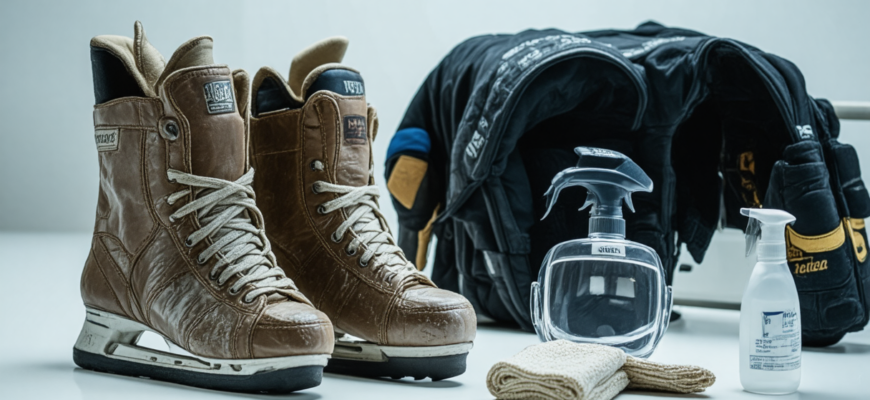
Hockey is a physically demanding sport that requires players to wear specialized equipment to ensure safety, comfort, and optimal performance on the ice. However, without proper cleaning and maintenance, hockey gear can become a breeding ground for bacteria, unpleasant odors, and wear that reduces the lifespan of equipment. This comprehensive guide will walk amateur hockey players through the essential steps and best practices for cleaning and maintaining their hockey gear, ensuring it remains in top condition season after season.
- Understanding the Importance of Proper Maintenance
- Components of Hockey Gear Requiring Regular Care
- Step-by-Step Guide to Cleaning Your Hockey Gear
- 1. Preparing the Equipment for Cleaning
- 2. Cleaning Helmets
- 3. Cleaning Protective Pads (Elbow, Knee, Shoulder, Chest)
- 4. Cleaning Gloves
- 5. Washing Jerseys and Pants
- 6. Care for Skates
- 7. Maintaining Hockey Sticks
- Additional Tips for Effective Gear Maintenance
- Proper Drying Techniques
- Using Disinfectants and Odor Neutralizers
- Storage Best Practices
- Regular Inspection and Repairs
- Formulas and Tips for Effective Cleaning
- DIY Disinfectant Solution
- Odor Removal Tip
- Summary: Key Takeaways for Maintaining Hockey Gear
Understanding the Importance of Proper Maintenance
Maintaining hockey equipment is more than just keeping it looking good; it is crucial for health, safety, and performance. Dirty or poorly maintained gear can cause skin infections, fungal growth, and persistent odors. Additionally, regular cleaning preserves the integrity of the materials, saving money in the long run by extending the lifespan of the equipment.
Components of Hockey Gear Requiring Regular Care
| Gear Part | Cleaning Frequency | Special Considerations |
|---|---|---|
| Helmet | After each use | Disinfect padding and inner lining |
| Elbow & Knee Pads | After each game/practice | Wash outer shell and disinfect interior |
| Gloves | After each use | Remove liners, clean and dry properly |
| Jersey & Pants | After each game | Wash with appropriate detergent, air-dry |
| Skates | After each use | Dry externally, clean insoles and sharpening |
| Sticks | After several uses | Wipe down for dirt, check for damage |
| Shoulder Pads, Chest Protector | Weekly | Deep cleaning if heavily soiled |
Step-by-Step Guide to Cleaning Your Hockey Gear
1. Preparing the Equipment for Cleaning
Before starting cleaning procedures, gather all necessary supplies, including disinfectant sprays, antibacterial wipes, mild detergents, soft brushes, microfiber cloths, and protective gloves. It’s advisable to work in a well-ventilated area to avoid inhaling fumes from cleaning products.
2. Cleaning Helmets
- Remove the inner padding and chin straps if detachable. Check manufacturer instructions for specific disassembly guidelines.
- Gently scrub the interior padding with a mixture of water and a mild antibacterial detergent, or use a specialized helmet cleaner spray.
- Wipe the outer shell with a damp cloth and mild soap, avoiding harsh abrasives that may damage the surface.
- Disinfect the padding with a disinfectant spray or wipe, ensuring all surfaces are sanitized to kill bacteria and fungi.
- Allow all parts to air-dry completely before reassembling.
3. Cleaning Protective Pads (Elbow, Knee, Shoulder, Chest)
- Remove liners from pads if possible. Hand wash these liners separately in cold water with mild detergent.
- Wipe the outer shell with a damp cloth and mild soap solution.
- Disinfect internal padding with a spray specifically designed for sports gear, or a diluted vinegar solution (1 part vinegar to 3 parts water).
- Lay the padded components flat to air-dry completely. Avoid direct sunlight to prevent material degradation.
4. Cleaning Gloves
- Detach glove liners, if removable.
- Wash liners separately in cold water with mild soap, then air dry thoroughly.
- Wipe the outer part of gloves with antibacterial wipes or a damp cloth with soap solution.
- Use a small brush to remove dirt from seams and creases.
- Ensure gloves are completely dry before reuse to prevent odor and bacterial growth.
5. Washing Jerseys and Pants
- Turn jerseys and pants inside out to ensure thorough cleaning of inner surfaces.
- Use a sports-specific detergent or a mild laundry detergent formulated to eliminate odors and bacteria.
- Wash in cold or warm water, following the manufacturer’s recommendations.
- Air-dry in a well-ventilated area or tumble dry on low heat.
- Avoid bleach, which can damage the fabric and padding.
6. Care for Skates
- After each use, wipe the external surface with a damp cloth to remove dirt and ice melt residues.
- Remove insoles and laces; wash insoles separately with mild soap and water, then air dry completely.
- Use a dry cloth to wipe the Exterior, and if necessary, polish with skate-specific cleaner for shine and protection.
- Check the sharpening status regularly and get blades sharpened when dull to maintain performance and safety.
7. Maintaining Hockey Sticks
- Wipe the blade and shaft with a damp cloth after each session.
- Inspect for cracks or splinters regularly. Replace if necessary.
- Store sticks upright or horizontally—avoid leaning them against walls to prevent warping.
Additional Tips for Effective Gear Maintenance
Proper Drying Techniques
Ensuring thorough drying of gear reduces bacterial growth and unpleasant odors. Use fans or place equipment in a well-ventilated area, avoiding direct sunlight which can degrade materials. For padded items, unpack and open all closures to facilitate airflow.
Using Disinfectants and Odor Neutralizers
Specialized sports gear disinfectants are recommended for sanitizing equipment. Alternatively, natural solutions like diluted vinegar or baking soda can help neutralize odors. Always check manufacturer’s guidelines before applying disinfectants or cleaners to avoid damage.
Storage Best Practices
- Keep gear in a cool, dry place away from direct sunlight.
- Use breathable bags or containers to prevent moisture buildup.
- Hang equipment like jerseys, pants, and pads to maintain shape and facilitate airflow.
- Periodically clean storage areas to prevent mold and dust accumulation.
Regular Inspection and Repairs
Consistent examination of gear for signs of wear or damage helps prevent injuries. Replace worn-out equipment promptly—especially helmets, pads, and skates. Tighten loose straps, replace broken laces, and repair minor damages when possible.
Formulas and Tips for Effective Cleaning
DIY Disinfectant Solution
Vinegar solution for disinfecting pads and helmets:
Vinegar Solution = 1 part vinegar + 3 parts water
Apply with spray bottles for even coverage, then let gear air dry.
Odor Removal Tip
- Sprinkle baking soda inside gloves and pads.
- Leave overnight to absorb odors.
- Shake off excess baking soda before storing or reusing gear.
Summary: Key Takeaways for Maintaining Hockey Gear
- Clean gear regularly—after each game or practice.
- Disinfect all surfaces to prevent bacteria and fungi.
- Proper drying is essential to prevent odors and damage.
- Store equipment properly in breathable containers.
- Inspect and repair gear proactively to ensure safety and longevity.
Effective maintenance of hockey equipment is vital for any amateur player aiming to enjoy the sport safely and for as long as possible. Consistent cleaning not only extends the lifespan of gear but also protects players from potential infections and discomfort caused by bacteria and fungi. By following the detailed steps and tips outlined in this guide, hockey enthusiasts can keep their gear in pristine condition, enhancing their performance and overall playing experience. Remember, properly maintained equipment is the foundation of a safe, enjoyable, and successful hockey journey.
Похожие записи:
 How to Wear Your Helmet and Pads Safely: A Complete Guide for Amateur Hockey Players
  Mastering Speed and Control in Skating: The Ultimate Guide for Amateur Hockey Players
  Mastering Concentration: Proven Tips to Maintain Mental Focus During Hockey Games
  Mastering the Ice: A Comprehensive Guide to the Basic Rules of Ice Hockey for Beginners
  Starting with Beginner-Friendly Hockey Drills: A Complete Guide for Amateur Players
  Understanding Ice Rink Markings and Zones: A Guide for Amateur Hockey Enthusiasts
  Basic Strategies for Beginner Hockey Players: A Complete Guide for Amateur Enthusiasts
  Mastering the Ice: Essential Hockey Etiquette and Sportsmanship for Amateur Players
  Mastering Hockey Stick Handling: Essential Techniques for Beginners
  Mastering the Art of Effective Ice Stops: Essential Techniques for Amateur Hockey Players
  Mastering Passing and Receiving the Puck: Essential Skills for Amateur Hockey Players
  The Crucial Role of Fitness and Strength in Hockey Performance
  Mastering the Ice: Basic Skating Techniques Every New Hockey Player Must Know
  The Critical Role of Teamwork and Communication in Ice Hockey Success
  Mastering the Art of Following a Hockey Game’s Flow: Essential Tips for Amateur Players to Improve Awareness
  Mastering the Art of Anticipation: How Amateur Hockey Players Can Predict Opponents’ Moves