
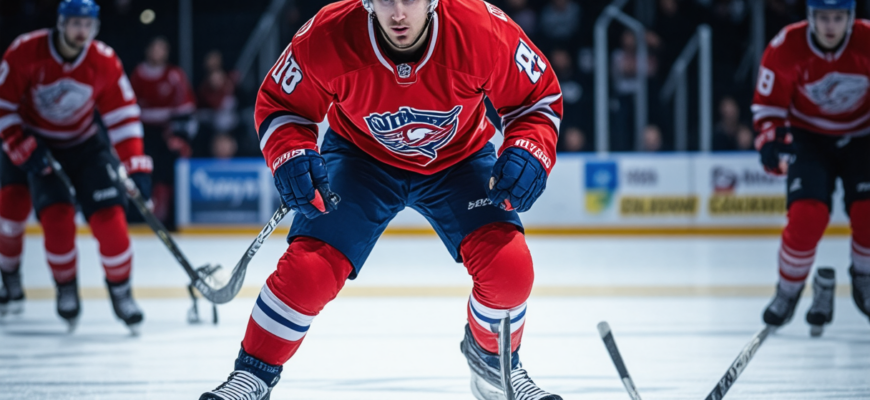
Hockey is a fast-paced, physically demanding sport that requires not only physical skill and endurance but also exceptional mental focus. For amateur players, staying mentally sharp throughout a game can be challenging due to fatigue, stress, and distractions. This comprehensive guide offers practical strategies and scientifically-backed tips to help amateur hockey enthusiasts retain their concentration, improve performance, and enjoy the game to its fullest.
- Understanding the Importance of Mental Focus in Hockey
- Common Challenges to Maintaining Focus During a Hockey Game
- Strategies to Maintain Mental Focus During Hockey Games
- 1. Preparation and Mental Conditioning Before the Game
- Visualization
- Breathing Exercises
- Positive Affirmations
- 2. Developing In-Game Focus Techniques
- Mindfulness and Present Moment Awareness
- Use of Cue Words or Phrases
- Chunking the Game
- 3. Physical and Mental Longevity During the Game
- Hydration and Nutrition
- Brief Rest Periods
- 4. Managing Emotional States and Building Mental Resilience
- Acceptance of Mistakes
- Emotion Regulation Techniques
- 5. Post-Game Reflection and Continuous Improvement
- Journaling
- Setting Realistic Goals
- Additional Tips for Enhancing Mental Focus in Hockey
- Summary Table: Quick Reference for Maintaining Focus in Hockey
Understanding the Importance of Mental Focus in Hockey
In hockey, where split-second decisions can determine the outcome of a game, mental focus is crucial. It influences everything from puck handling and positioning to team coordination and strategic planning. A lapse in concentration can lead to costly turnovers, missed opportunities, and defensive lapses. Moreover, maintaining focus helps enhance confidence, reduce stress, and sustain energy levels throughout the match.
Research indicates that athletes with high levels of mental focus and resilience perform better under pressure and recover faster from setbacks. For amateur players, developing these mental skills can significantly boost overall performance and make the game more enjoyable.
Common Challenges to Maintaining Focus During a Hockey Game
- Physical fatigue: As the game progresses, exhaustion can impair concentration.
- Distractions: Crowd noise, game situation, or external environment may divert attention.
- Stress and anxiety: Pressure to perform or fear of mistakes can disrupt focus.
- Negative thoughts: Self-doubt or frustration may distract and hinder performance.
- Overconfidence: Underestimating opponents or overestimating oneself can lead to complacency.
Strategies to Maintain Mental Focus During Hockey Games
1. Preparation and Mental Conditioning Before the Game
Consistency in mental preparation sets the foundation for focus during play. Prior to the game, players should engage in routines that mentally prime them for high performance. Techniques include visualization, breathing exercises, and affirmations.
Visualization
Picture yourself executing perfect passes, shots, and defensive maneuvers. Visualization reinforces muscle memory and boosts confidence. Spend 5-10 minutes imagining specific game scenarios, focusing on successful actions and calm reactions to challenges.
Breathing Exercises
Deep, diaphragmatic breathing reduces stress and enhances focus. Practice inhaling slowly through the nose for 4 seconds, holding for 4 seconds, then exhaling through the mouth for 6 seconds. Repeat this cycle 5-10 times before stepping onto the ice.
Positive Affirmations
Use affirmations to boost confidence and self-belief. Examples include: “I am prepared,” “I stay focused,” and “I make smart decisions.” Repeating these phrases enhances mental resilience.
2. Developing In-Game Focus Techniques
Once the game begins, maintaining concentration involves real-time mental strategies tailored to sustain attention and block out distractions.
Mindfulness and Present Moment Awareness
Stay fully engaged with the current play rather than dwelling on past mistakes or future outcomes. Focus on the puck, teammates, and opponents during each moment. Techniques include gently redirecting attention whenever your mind drifts.
Use of Cue Words or Phrases
Simple, personal cues like “Stay sharp,” “Focus now,” or “Next play” can anchor your attention during pivotal moments.
Chunking the Game
Break down the game into smaller segments or specific tasks. Concentrate on winning each shift or executing a particular skill, such as a clean pass or effective positioning.
3. Physical and Mental Longevity During the Game
Fatigue diminishes focus, so strategies to sustain mental clarity include maintaining physical energy and managing mental fatigue.
Hydration and Nutrition
| Action | Purpose |
|---|---|
| Drink water regularly | Prevents dehydration which impairs cognitive function |
| Consume carbohydrate-rich snacks | Provides sustained energy for mental alertness |
Consuming small amounts of water and light snacks during breaks can keep both body and mind energized.
Brief Rest Periods
Use substitutions strategically to rest and reset mental focus. Even short breaks of 30 seconds can help recharge concentration.
4. Managing Emotional States and Building Mental Resilience
Emotional reactions can interfere with focus, especially when mistakes occur or unfavorable situations arise.
Acceptance of Mistakes
View errors as part of the game. Instead of dwelling on mistakes, acknowledge them and swiftly refocus on the next play.
Emotion Regulation Techniques
- Deep breathing: Calms nerves and resets focus.
- Progressive muscle relaxation: Tenses and relaxes muscle groups to reduce tension.
- Positive self-talk: Reinforce confidence and composure.
5. Post-Game Reflection and Continuous Improvement
Analyzing gameplay helps identify areas of mental lapses and refine focus strategies for subsequent matches.
Journaling
Record observations about what distracted you, how you managed stress, and what tactics worked. Over time, patterns emerge that guide personalized improvements.
Setting Realistic Goals
Focus on incremental progress rather than perfection. Small, achievable objectives build confidence and mental endurance.
Additional Tips for Enhancing Mental Focus in Hockey
- Establish a pre-game routine: Consistent rituals prepare the mind for competition.
- Stay physically conditioned: Fitness enhances stamina and reduces mental fatigue.
- Focus on teamwork: Trusting teammates shifts focus from individual performance to collective effort.
- Limit external distractions: Minimize noise and visual clutter during game preparation.
- Practice mental skills regularly: Incorporate mental training into regular practice sessions.
Summary Table: Quick Reference for Maintaining Focus in Hockey
| Focus Area | Key Strategies |
|---|---|
| Pre-Game Preparation | Visualization, breathing exercises, affirmations |
| During the Game | Mindfulness, cue words, chunking tasks |
| Physical & Mental Energy | Hydration, nutrition, brief rest |
| Emotion & Stress Management | Acceptance, deep breathing, positive self-talk |
| Post-Game Analysis | Journaling, goal setting, reflection |
Maintaining mental focus during hockey games is a multifaceted challenge that involves preparation, real-time strategies, emotional regulation, and continual self-improvement. By adopting a holistic approach that combines physical readiness with mental resilience techniques, amateur hockey players can significantly enhance their in-game concentration. These skills not only improve individual performance but also contribute to better teamwork, higher enjoyment, and increased confidence on the ice.
Mastering focus does not happen overnight. It requires consistent practice, self-awareness, and patience. Incorporating the tips outlined in this guide into regular training routines will help amateur hockey enthusiasts stay sharp, respond effectively to situational pressures, and ultimately elevate their game to new heights.
Похожие записи:
 Mastering the Art of Following a Hockey Game’s Flow: Essential Tips for Amateur Players to Improve Awareness
  Mastering Speed and Control in Skating: The Ultimate Guide for Amateur Hockey Players
  Mastering Passing and Receiving the Puck: Essential Skills for Amateur Hockey Players
  Mastering the Art of Anticipation: How Amateur Hockey Players Can Predict Opponents’ Moves
  Mastering the Ice: Basic Skating Techniques Every New Hockey Player Must Know
  Mastering the Art of Effective Ice Stops: Essential Techniques for Amateur Hockey Players
  Mastering Hockey Stick Handling: Essential Techniques for Beginners
  Mastering the Ice: A Comprehensive Guide to the Basic Rules of Ice Hockey for Beginners
  Mastering the Ice: Essential Hockey Etiquette and Sportsmanship for Amateur Players
  The Critical Role of Teamwork and Communication in Ice Hockey Success
  The Crucial Role of Fitness and Strength in Hockey Performance
  Basic Strategies for Beginner Hockey Players: A Complete Guide for Amateur Enthusiasts
  How to Wear Your Helmet and Pads Safely: A Complete Guide for Amateur Hockey Players
  Understanding Ice Rink Markings and Zones: A Guide for Amateur Hockey Enthusiasts