
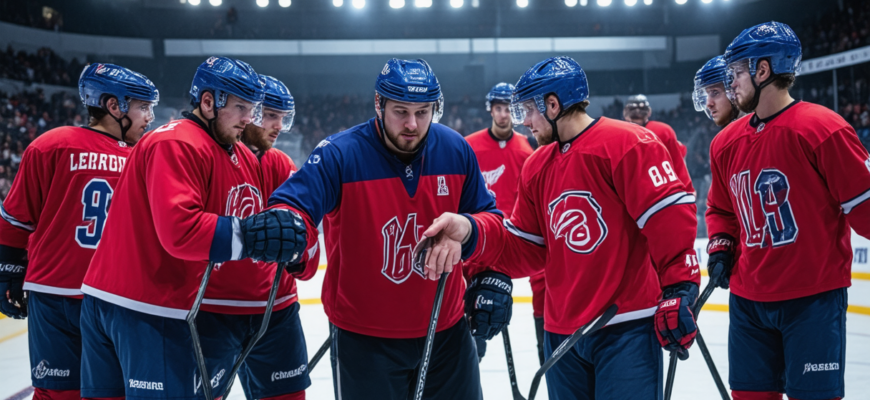
Ice hockey is often celebrated for its fast-paced action, stunning skills, and thrilling goals. However, beneath the excitement on the ice lies a fundamental backbone that determines the effectiveness of a team: collaboration and communication. For amateur players striving to improve and enjoy the game, understanding the significance of cohesive teamwork and clear communication can be the difference between a good game and a great victory. This comprehensive guide explores why teamwork and communication are essential in ice hockey, how they impact game outcomes, and practical ways to foster these skills for players of all levels.
- Understanding the Essence of Teamwork in Ice Hockey
- What is Teamwork in Ice Hockey?
- The Components of Effective Teamwork
- The Impact of Teamwork on Game Outcomes
- The Power of Communication in Ice Hockey
- Why Communication is Vital on the Ice
- Types of Communication in Hockey
- Common Communication Challenges
- Synergy Between Teamwork and Communication
- How They Reinforce Each Other
- Case Study: Successful Ice Hockey Teams
- Practical Tips to Enhance Teamwork and Communication for Amateur Players
- Building Effective Communication Skills
- Strengthening Teamwork on and Off the Ice
- Strategies for Effective On-Ice Communication During Games
- Training Drills to Foster Teamwork and Communication
- 1. Passing in Motion
- 2. Shadow Play
- 3. Relay Races with Communication Tasks
- Measuring Success: Indicators of Improved Teamwork and Communication
- The Foundation of Success in Ice Hockey
- Final Remarks
Understanding the Essence of Teamwork in Ice Hockey
What is Teamwork in Ice Hockey?
Teamwork in ice hockey involves coordinated efforts among players to achieve common objectives such as defending, attacking, and maintaining possession of the puck. It encompasses mutual support, strategic positioning, trusting teammates, and sharing responsibilities. Unlike individual sports, hockey demands seamless collaboration, where each player’s contribution amplifies the overall performance of the team.
The Components of Effective Teamwork
- Trust and Reliability: Players need to trust that their teammates will fulfill their roles, allowing for confident decision-making.
- Role Clarity: Clear understanding of each player’s position and responsibilities on the ice.
- Strategic Alignment: Unified adherence to game plans and tactics.
- Flexibility and Adaptability: Willingness to adjust to changing game situations collaboratively.
The Impact of Teamwork on Game Outcomes
Strong teamwork translates to effective zone coverage, smooth passing, and cohesive defensive maneuvers. It reduces mistakes, increases offensive opportunities, and fosters a positive team atmosphere. Teams that function well together tend to recover quickly from setbacks, maintain morale, and adapt tactics on the fly.
The Power of Communication in Ice Hockey
Why Communication is Vital on the Ice
Communication acts as the glue holding a team’s strategies and movements together. On a rink where seconds matter, clear and timely communication ensures all players are synchronized, aware of each other’s intentions, and can respond swiftly to dynamic situations.
Types of Communication in Hockey
- Verbal Communication: Shouting instructions, calling for the puck, or alerting teammates to opponents’ positions.
- Non-verbal Signals: Hand gestures, eye contact, body language, or stick signals to convey messages silently.
- Facial Expressions and Body Language: Demonstrate urgency or reassurance.
Common Communication Challenges
- Noise and chaos on the ice making verbal exchanges difficult.
- Language barriers among diverse teams.
- Misinterpretation of signals leading to confusion.
- Lack of confidence to speak during high-stakes moments.
Synergy Between Teamwork and Communication
How They Reinforce Each Other
Effective communication enhances teamwork by providing real-time information that guides decision-making and coordination. Conversely, strong teamwork fosters an environment where communication is more open, honest, and responsive. This symbiotic relationship is especially crucial in high-pressure situations where quick, coordinated actions determine the outcome.
Case Study: Successful Ice Hockey Teams
| Team | Key Factors in Their Success | Communication Style | Teamwork Strategies |
|---|---|---|---|
| Team A | Consistent defensive coverage | Pre-match briefings and in-game calls | Role specialization and trust |
| Team B | Dynamic offensive plays | Sideline instructions and quick signals | Flexible formations and shared responsibility |
Practical Tips to Enhance Teamwork and Communication for Amateur Players
Building Effective Communication Skills
- Practice Clear, Concise Speech: Use straightforward language; avoid mumbling or shouting unnecessarily.
- Establish Standard Signals: Develop a set of agreed-upon hand gestures or cues for common situations.
- Maintain Eye Contact: Use visual cues to anticipate teammates’ moves.
- Use Positive Reinforcement: Encourage teammates with visual or verbal praise, fostering a supportive environment.
Strengthening Teamwork on and Off the Ice
- Participate in Team-building Activities: Engage in exercises outside of games to build camaraderie and trust.
- Develop Role Clarity: Clearly define each player’s responsibilities during practice sessions.
- Practice Cooperative Drills: Use drills that require passing, positioning, and teamwork under pressure.
- Review Game Footage: Analyze teamwork and communication effectiveness and identify areas for improvement.
Strategies for Effective On-Ice Communication During Games
- Pre-Game Planning: Discuss and set communication protocols before matches.
- Use Visual Cues: Stick positions or gestures to relay information silently.
- Designate Communication Roles: Assign specific players to relay certain types of information, like defensive calls.
- Maintain Composure: Stay calm and confident when communicating, even during stressful moments.
Training Drills to Foster Teamwork and Communication
1. Passing in Motion
This drill emphasizes quick, accurate passing and requires players to move and communicate in real time.
- Set up in groups of three or four.
- Players pass the puck while moving across the ice, maintaining eye contact and calling out the next receiver.
- Focus on timing, accuracy, and verbal cues.
2. Shadow Play
This exercise helps players understand positioning and signals without direct opposition, promoting awareness and non-verbal communication.
- One team mimics game scenarios, using only body language and signals.
- Partners observe and interpret cues, then switch roles.
3. Relay Races with Communication Tasks
Combines physical agility with communication challenges to build trust and responsiveness.
- Players form teams and complete relay courses.
- Incorporate tasks requiring them to communicate or signal to teammates.
Measuring Success: Indicators of Improved Teamwork and Communication
| Indicator | Description | Evaluation Method |
|---|---|---|
| Game Cohesion | Seamless passing, positioning, and defensive coverage. | Observation and game footage review |
| Response Time | Speed in reacting to opponents’ moves or in executing plays. | Timing drills and during actual games |
| Player Confidence | Willingness to communicate, call for puck, or give instructions. | Player feedback and coach’s assessment |
| Team Morale and Spirit | Positive interactions, mutual support, and enthusiasm. | Player surveys and coach observations |
The Foundation of Success in Ice Hockey
In amateur hockey, where skill levels may vary, the importance of teamwork and communication cannot be overstated. These elements form the foundation upon which strategies succeed, games are won, and players find joy in the sport. By investing time and effort into developing these skills—whether through drills, clear protocols, or team-building activities—players enhance their ability to work harmoniously on the ice. Ultimately, cohesive teams that communicate effectively are better equipped to handle adversity, capitalize on opportunities, and elevate their overall performance, making hockey not only more competitive but also more enjoyable for everyone involved.
Final Remarks
Whether playing recreationally or competitively, embracing the principles of teamwork and communication enriches the hockey experience. For amateurs, focusing on these areas fosters growth, enhances teamwork dynamics, and boosts confidence, leading to more satisfying games and personal development. Remember, hockey is a team sport—success depends on how well players unite, share information, and support each other on and off the ice.
Похожие записи:
 Basic Strategies for Beginner Hockey Players: A Complete Guide for Amateur Enthusiasts
  Mastering Passing and Receiving the Puck: Essential Skills for Amateur Hockey Players
  Mastering the Ice: A Comprehensive Guide to the Basic Rules of Ice Hockey for Beginners
  Understanding Ice Rink Markings and Zones: A Guide for Amateur Hockey Enthusiasts
  Mastering the Ice: Basic Skating Techniques Every New Hockey Player Must Know
  Mastering Hockey Stick Handling: Essential Techniques for Beginners
  Mastering Speed and Control in Skating: The Ultimate Guide for Amateur Hockey Players
  How to Wear Your Helmet and Pads Safely: A Complete Guide for Amateur Hockey Players
  Mastering the Art of Effective Ice Stops: Essential Techniques for Amateur Hockey Players