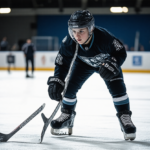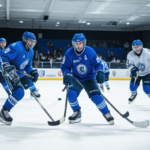
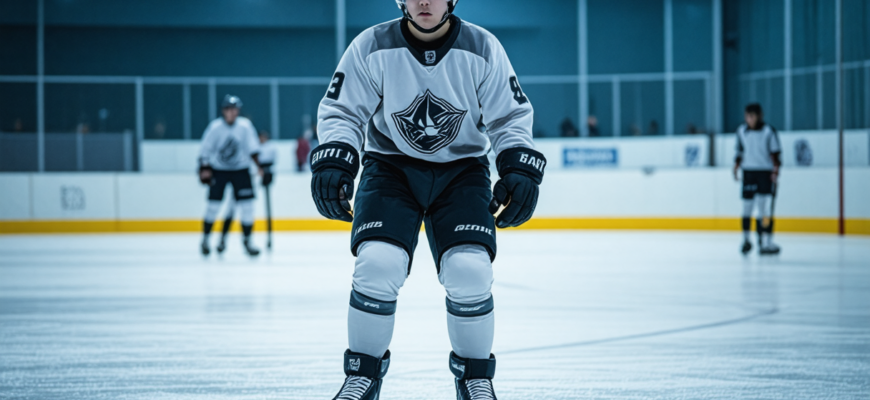
Embarking on a hockey journey can be incredibly exciting, but it also requires mastering essential skating skills that form the foundation of effective gameplay. Whether you are a complete novice stepping onto the ice for the first time or have some experience but want to refine your basics, understanding fundamental skating techniques is crucial. This comprehensive guide aims to introduce new hockey players to key skating skills, providing detailed explanations, tips, and drills to develop confidence and competence on the ice.
- Importance of Proper Skating Techniques in Hockey
- Core Elements of Hockey Skating
- Fundamental Skating Techniques for Beginners
- 1. Basic Forward Skating
- 2. Stopping Techniques
- 2.1 T-Stop
- 2.2 Hockey Stop (Power Stop)
- 3. Turning and Edges
- 3.1 Edge Control
- 3.2 Basic Turns
- Advanced Techniques for Developing Speed and Agility
- 4. Crossovers
- 4.1 Forward Crossovers
- 4.2 Backward Crossovers
- 5. Edge Transitions
- Training Drills to Improve Skating Skills
- 1. Stationary Edge Work
- 2. Straight Line Skating
- 3. Cone Drills
- 4. Stop and Go Practice
- Common Mistakes to Avoid
- Additional Tips for New Hockey Players
Importance of Proper Skating Techniques in Hockey
Effective skating is often considered the backbone of successful hockey play. Good skating skills enable players to move swiftly and efficiently across the ice, maintain proper positioning, and execute offensive or defensive maneuvers with precision. Poor skating technique can lead to slower response times, decreased agility, and an increased risk of injury. Therefore, investing in technique development is essential for advancing at any level of hockey.
Core Elements of Hockey Skating
Before diving into individual techniques, it’s important to understand the core elements that underpin all aspects of skating in hockey:
- Balance: Maintaining stability during movement, stops, and turns.
- Edge control: Using inside and outside edges of the skate blades to maneuver.
- Power: Generating force to accelerate and maintain speed.
- Agility: Ability to change direction quickly and smoothly.
- Coordination: Synchronizing body movements for fluid motion.
Fundamental Skating Techniques for Beginners
1. Basic Forward Skating
The foundation of all hockey skating begins with mastering forward propulsion. Proper forward skating involves several key components:
- Posture: Slightly bend your knees, keep your back straight, and lean forward slightly from the hips. This posture provides stability and balance.
- Stride: Extend one leg forward, pushing off with the opposite foot, and alternate smoothly, maintaining a consistent rhythm.
- Weight Distribution: Keep your weight centered over the middle of your skates, shifting slightly forward during acceleration.
- Arm Movement: Use your arms naturally for balance, with one arm swinging forward as the opposite leg pushes off.
**Tip:** Beginners should focus on long, controlled strides rather than quick, choppy movements. Practice pushing from heel to toe to generate maximum power with each stride.
2. Stopping Techniques
Stopping safely and effectively is vital in hockey to avoid collisions and regain control. The most common stopping technique is the T-stop, and mastering it is essential for new players.
2.1 T-Stop
- While skating forward, turn your inside foot perpendicular to your direction of travel, forming a “T” shape.
- Gradually shift your weight onto this foot as you press your blade into the ice, creating friction that slows you down.
- Balance with your other skate placed behind and to the side, forming a stable base.
2.2 Hockey Stop (Power Stop)
- Begin at a moderate speed.
- Shift your weight onto the outside edge of one skate while turning the other skate perpendicular to your direction.
- Apply pressure on the edges to rapidly change direction and halt.
Tip: Always practice stopping on both sides to increase your versatility in game situations.
3. Turning and Edges
Efficient turns and edge control enhance agility and maneuverability. In hockey, turns are executed primarily on the inside and outside edges of the blades.
3.1 Edge Control
- Inside edge: The inward-facing edge of the skate used when turning toward the inside.
- Outside edge: The outward-facing edge used when turning away from the center of the body.
3.2 Basic Turns
- C-cuts: Making a series of C-shaped curves to change direction gradually. Done by shifting weight from inside to outside edges.
- Two-foot turn: Stopping forward motion temporarily, then pivoting on both skates to change direction quickly.
**Drill:** Practice skating in a straight line, then perform controlled turns on each side every 5 meters, focusing on maintaining balance and edge control.
Advanced Techniques for Developing Speed and Agility
4. Crossovers
Crossovers are used to gain speed, especially in corners or when transitioning from skating straight to turning. They involve crossing one foot over the other diagonally, allowing for greater momentum.
4.1 Forward Crossovers
- Start skating forward, then lift one foot and cross it over the other, pushing off from the new foot.
- Continue crossing and pushing with alternating legs to accelerate.
4.2 Backward Crossovers
- Begin moving backward, then cross one skate over the other laterally while pushing backward.
- Practice in both directions to enhance backward skating skills.
**Tip:** Use mirrors or practice with a coach to ensure proper foot placement during crossovers, preventing habit-forming mistakes.
5. Edge Transitions
Changing from inside to outside edges smoothly improves agility and responsiveness. Focus on the following:
- Maintain a low center of gravity.
- Shift weight gradually to avoid abrupt movements that cause loss of balance.
- Practise weaving between edges to build control.
Training Drills to Improve Skating Skills
Consistent practice is key to mastering skating basics. Here are effective drills for beginners:
1. Stationary Edge Work
- Hold onto the boards or a support and lift your skates off the ice.
- Practice shifting weight onto inside and outside edges to develop control.
2. Straight Line Skating
- Skate in a straight line for distances of 20-50 meters, focusing on smooth, consistent strides.
- Gradually increase speed as comfort improves.
3. Cone Drills
- Set up cones in a zigzag pattern.
- Practice weaving through the cones using controlled turns, focusing on edge control and speed.
4. Stop and Go Practice
- Start skating, then stop using your preferred technique.
- Accelerate gradually afterward, repeating multiple times to build muscle memory.
Common Mistakes to Avoid
Even for beginners, awareness of common pitfalls helps improve technique more efficiently:
- Stiff posture: Rigid body position reduces agility; stay relaxed and flexible.
- Overreliance on pushing: Use proper stride techniques rather than forceful pushes that waste energy.
- Neglecting edges: Focusing only on straightforward skating limits maneuverability; practice edge control diligently.
- Lack of balance: Keep knees bent and center your weight over your skates.
Additional Tips for New Hockey Players
- Wear well-fitted skates to ensure proper support and safety.
- Start practicing on smooth, clean ice to develop confidence before moving to more challenging surfaces.
- Warm up before skating to prevent injuries and improve flexibility.
- Record your practice sessions to analyze posture and technique improvements.
Developing solid skating techniques is fundamental to becoming a competent hockey player. By focusing on proper posture, balance, edge control, and smooth transitions, new players can significantly enhance their mobility and game performance. Regular practice using targeted drills and awareness of common mistakes will pave the way for continuous improvement. Remember that patience and persistence are key, and with time, these basic techniques will become second nature, enabling players to take full advantage of all the exciting possibilities hockey offers on the ice.