
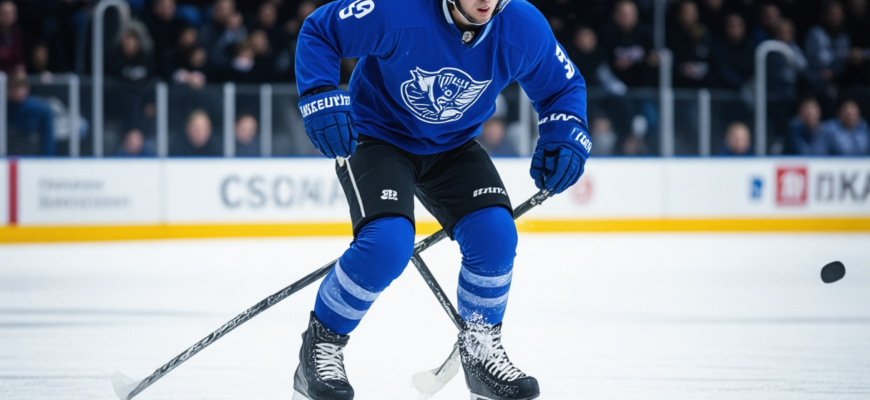
In the fast-paced world of hockey, skating skill is the foundation of effective gameplay. Whether you’re aiming to accelerate past opponents or maintain precision during a face-off, balancing speed and control is essential. Achieving this equilibrium requires understanding the biomechanics of skating, practicing specific techniques, and adopting effective training strategies. This comprehensive guide explores how amateur hockey players can enhance their skating skills, optimize their performance, and dominate the ice by mastering the delicate art of balancing speed with control.
- Understanding the Importance of Speed and Control in Hockey
- Biomechanics of Skating: Foundations of Speed and Control
- Key Elements of Forward and Backward Skating
- The Role of Edges in Controlling Speed and Trajectory
- Techniques for Balancing Speed and Control
- 1. Proper Body Positioning
- 2. Progressive Acceleration
- 3. Mastering Turning and Stopping
- 4. Using Plyometric and Strength Training
- Training Drills to Improve Speed and Control
- 1. Cone Drills for Agility
- 2. Edge Control Exercises
- 3. Stop-and-Go Practice
- 4. Sprint and Control Coordination
- Common Mistakes That Jeopardize Balance of Speed and Control
- Advanced Tips for Maximizing Speed and Control
- 1. Visual Focus and Anticipation
- 2. Proper Equipment Fit
- 3. Consistent Practice and Video Analysis
- Monitoring Progress and Setting Goals
- Achieving the Balance
Understanding the Importance of Speed and Control in Hockey
Hockey is a dynamic sport where timing, agility, and skill intersect. Speed enables players to outrun opponents, quickly change directions, and create offensive opportunities. Conversely, control allows for precise movements, accurate puck handling, and safe maneuvering through crowded zones. Overemphasis on either aspect can undermine overall performance:
- Too much speed without control: Increased risk of falls, puck loss, and penalties.
- Excessive control with minimal speed: Reduced offensive threat, slow reaction, and limited agility.
Striking the right balance ensures players can evade opponents, execute accurate passes, and make smart decisions under pressure. This balance becomes even more critical in tight game situations, such as power plays or penalty kills.
Biomechanics of Skating: Foundations of Speed and Control
Key Elements of Forward and Backward Skating
Effective skating involves a combination of biomechanics, which can be broken down into key elements:
- Edge Control: Mastery of inside and outside edges provides stability and maneuverability, essential for both speed and precise turns.
- Body Position: Leaning forward slightly with a low center of gravity enhances balance, power, and control.
- Stride Technique: Efficient pushing off the front skate with proper weight transfer maximizes propulsion while maintaining balance.
- Arm Movement: Natural arm swing contributes to momentum and stability during rapid accelerations.
The Role of Edges in Controlling Speed and Trajectory
Edges are the foundation of advanced skating. Proper utilization of inside and outside edges allows players to execute sharp turns, maintain stability at high speeds, and control their movements precisely:
| Edge Type | Function | Application |
|---|---|---|
| Inside Edge | Provides control during sharp turns or stops | Cornering, quick stops |
| Outside Edge | Enables powerful strides and smooth straight-line skating | High-speed sprints, maintaining momentum |
Techniques for Balancing Speed and Control
1. Proper Body Positioning
Adopting an optimal stance is fundamental to balancing speed with control. Techniques include:
- Keeping knees slightly bent, maintaining a low center of gravity.
- Leaning slightly forward to engage core muscles.
- Keeping arms relaxed and slightly spread for stability.
This stance provides a solid base for quick movements and helps prevent falls.
2. Progressive Acceleration
Instead of rushing into top speed immediately, players should focus on gradual acceleration. This practice allows for better control at each stage of increasing speed:
- Start with controlled, deliberate strides.
- Gradually extend push-off power while maintaining balance.
- Adjust body weight distribution to optimize propulsion.
3. Mastering Turning and Stopping
Sharp turns and quick stops are crucial for managing speed and maintaining control. Techniques involve:
- Using inside edges for quick directional changes.
- Leading with the hips and shoulders during turns.
- Applying controlled pressure on the skates’ edges during stops.
Practicing lateral movements enhances agility and confidence on the ice.
4. Using Plyometric and Strength Training
Building muscular strength and explosive power is essential for swift acceleration and maintaining balance at high speeds. Recommended exercises include:
- Squats and lunges for leg strength.
- Jump training for explosive power.
- Core workouts to improve stability.
Training Drills to Improve Speed and Control
1. Cone Drills for Agility
Set up cones in zig-zag or straight-line formations. Practice skating around cones focusing on sharp turns and maintaining control at varying speeds. Types include:
- Zig-Zag Cone Drill: Enhance lateral control and edge work.
- Timed Sprints Between Cones: Develop explosive acceleration.
2. Edge Control Exercises
Exercises aimed at improving edge use include:
- Slaloming on inside and outside edges.
- Balance drills on one skate, switching edges smoothly.
- Backward skating while using precise edge control.
3. Stop-and-Go Practice
Practice starting at a standstill, accelerating to high speed, then executing precise stops. Focus on:
- Controlled initial push-off.
- Maintaining balance during acceleration.
- Smooth, controlled stops using hockey stop technique.
4. Sprint and Control Coordination
Combine sprints with subsequent control drills:
- Perform a 10-20 meter sprint.
- Follow immediately with a controlled turn or stop.
- Repeat, gradually increasing speed and complexity.
Common Mistakes That Jeopardize Balance of Speed and Control
Identifying and correcting errors can significantly enhance skating skills:
| Mistake | Consequence | Correction |
|---|---|---|
| Overreaching during strides | Loss of balance and reduced control | Focus on short, powerful pushes |
| Rushing turns or stops | Skating out of control or falls | Practice gradual deceleration and edge control |
| Neglecting body positioning | Poor balance, slower acceleration | Maintain low, centered stance consistently |
| Ignoring strength training | Limited power, sluggish speed | Incorporate targeted strength and plyometric exercises |
Advanced Tips for Maximizing Speed and Control
1. Visual Focus and Anticipation
Maintaining a fixed gaze ahead improves spatial awareness and anticipates opponent movements, enabling quicker reactions and better control at high speeds.
2. Proper Equipment Fit
Ill-fitting skates can impair edge control and balance. Ensure boots are well-fitted, sharpened regularly, and suited to your skating style. Proper equipment enhances confidence and technique.
3. Consistent Practice and Video Analysis
Recording skating sessions allows players to analyze their posture, edge use, and speed techniques. Regular review helps identify areas for improvement and track progress over time.
Monitoring Progress and Setting Goals
To systematically improve, players should set measurable goals, such as:
- Completing cone drills within a specific time frame.
- Reducing transition times between acceleration and control exercises.
- Achieving smoother turns at designated speeds.
Progress tracking could involve timers, frequency of drills, or subjective assessments from coaches or peers. Regular practice combined with goal setting fosters continuous improvement.
Achieving the Balance
Mastering the art of balancing speed and control in hockey skating is a multifaceted process that combines biomechanics, technical skills, strength training, and mental focus. By understanding the foundational principles, practicing targeted drills, correcting common mistakes, and adopting a disciplined approach, amateur hockey players can dramatically improve their skating efficiency. This enhancement translates into faster, more agile gameplay, increased confidence on the ice, and ultimately, elevated performance in real match situations. Achieving this balance unlocks new levels of enjoyment and success in the sport of hockey, making every skate on the ice both powerful and precise.
Похожие записи:
 Mastering the Ice: Basic Skating Techniques Every New Hockey Player Must Know
  Mastering the Art of Effective Ice Stops: Essential Techniques for Amateur Hockey Players
  Mastering Passing and Receiving the Puck: Essential Skills for Amateur Hockey Players
  Basic Strategies for Beginner Hockey Players: A Complete Guide for Amateur Enthusiasts
  How to Wear Your Helmet and Pads Safely: A Complete Guide for Amateur Hockey Players
  Mastering the Ice: A Comprehensive Guide to the Basic Rules of Ice Hockey for Beginners
  Mastering Hockey Stick Handling: Essential Techniques for Beginners
  Understanding Ice Rink Markings and Zones: A Guide for Amateur Hockey Enthusiasts
  The Critical Role of Teamwork and Communication in Ice Hockey Success