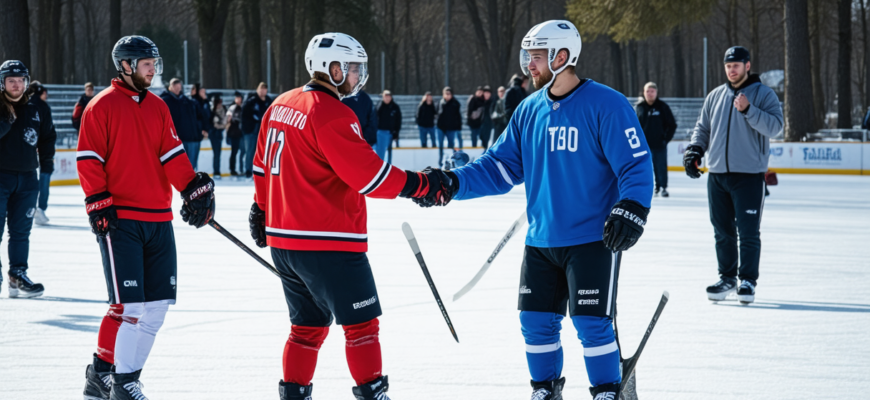
Hockey, often called the fastest team sport on ice, combines skill, agility, teamwork, and a deep sense of camaraderie. While mastering skating and puck control are crucial, understanding and practicing proper etiquette and sportsmanship are equally important — especially for those new to the game or playing at an amateur level. Good sportsmanship not only fosters a respectful environment but also enhances player development, safety, and the overall enjoyment of the game.
- Introduction to Hockey Etiquette and Sportsmanship
- The Importance of Hockey Etiquette and Sportsmanship
- Core Principles of Hockey Sportsmanship
- Respect for Opponents and Teammates
- Respect for Officials
- Playing Fairly and Honestly
- Acceptance of Outcomes and Defeat
- Self-control and Composure
- Practical Guidelines for Good Hockey Etiquette
- Pre-Game Conduct
- On-Ice Behavior
- Post-Game Conduct
- Common Sportsmanship Scenarios and How to Handle Them
- Scenario 1: Disagreeing with a Call
- Scenario 2: Encountering Aggressive Opponents
- Scenario 3: Celebrating a Goal
- Scenario 4: Helping a Fallen Opponent
- Rules of Thumb for Upholding Hockey Etiquette
- Benefits of Embracing Hockey Etiquette and Sportsmanship
- Building a Respectful Hockey Community
- Additional Resources for Amateur Hockey Players
Introduction to Hockey Etiquette and Sportsmanship
Hockey is a physical and competitive sport, but it’s rooted in mutual respect. Proper on-ice behavior helps prevent injuries, ensures fair play, and promotes positive relationships among players, coaches, referees, and fans. Unlike some sports where aggressive conduct might be overlooked, hockey emphasizes respect both during play and in post-game interactions.
In this comprehensive guide, amateur hockey players will find essential rules, practical tips, and common scenarios illustrating the core principles of hockey etiquette and sportsmanship. Whether just starting out or seeking to refine your behavior, understanding these fundamentals will elevate your playing experience.
The Importance of Hockey Etiquette and Sportsmanship
| Benefit | Description |
|---|---|
| Player Safety | Respectful behavior reduces the risk of dangerous plays and injuries. |
| Fair Play | Promotes honest competition and integrity on the ice. |
| Respect for Officials | Accepting referee decisions without argument maintains the game’s flow and fairness. |
| Building Relationships | Good manners foster camaraderie and sportsmanship among teammates and opponents. |
| Reputation and Enjoyment | Positive conduct enhances individual reputation and ensures everyone enjoys the sport. |
Core Principles of Hockey Sportsmanship
Respect for Opponents and Teammates
Always treat all players with politeness and courtesy, regardless of the game’s outcome. Recognize that opponents are fellow athletes who share the same passion for hockey. Respect can be demonstrated through gestures like shaking hands before and after matches, avoiding trash talk, and refraining from unnecessary roughness.
Respect for Officials
Referees and linesmen are vital to maintaining order and fairness. Accept their calls, even if disagreeing, with dignity. If you have concerns about a decision, express them calmly and privately, avoiding arguments or protests on the ice.
Playing Fairly and Honestly
Pursue the game with integrity: avoid cheating, doping, or manipulating the rules. Fair play creates a level playing field and respects the effort of all participants.
Acceptance of Outcomes and Defeat
Win graciously and lose with dignity. Congratulate opponents after a match regardless of the score. Celebrate successes modestly, and learn from failures to improve skills and attitude.
Self-control and Composure
Maintain emotional control, especially during intense moments. Refrain from aggressive actions, yells, or throwing equipment. Displaying patience and calmness enhances sportsmanship and avoids conflicts.
Practical Guidelines for Good Hockey Etiquette
Pre-Game Conduct
- Arrive on time: Respect scheduled start times to ensure team cohesion.
- Introduce yourself: Greet teammates and opponents respectfully, fostering camaraderie.
- Wear proper gear: Ensure equipment fits correctly and is used appropriately to maintain safety and professionalism.
On-Ice Behavior
- Respect the space: Avoid checking or hitting opponents below the waist or excessively rough play unless within the rules.
- Avoid chatter or trash talk: Keep communication positive and supportive.
- Respect referees:Respect their calls, signal, and decisions without argument.
- Help opponents: If an opponent falls, assist them up respectfully.
- Follow the rules: Play within the game regulations to promote fairness.
Post-Game Conduct
- Shake hands: Traditionally, players shake hands or exchange greetings after the match.
- Show sportsmanship: Congratulate opponents and acknowledge good plays.
- Clean equipment: Leave the dressing room in order and thank the organizers or coaches.
Common Sportsmanship Scenarios and How to Handle Them
Scenario 1: Disagreeing with a Call
If a referee makes a decision you believe is incorrect, respond politely. For example, raising your hand to signal disagreement or calmly asking for clarification demonstrates respect. Avoid protesting loudly or arguing aggressively, as this can lead to penalties and disrupt the game’s flow.
Scenario 2: Encountering Aggressive Opponents
Maintain composure and avoid retaliating physically or verbally. Focus on your play and let the referees handle rule enforcement. If you feel threatened or targeted, consider informing game officials separately after the game.
Scenario 3: Celebrating a Goal
Celebrate with enthusiasm but respect opponents and teammates. Avoid excessive celebration that can be perceived as disrespectful or taunting.
Scenario 4: Helping a Fallen Opponent
Offer a hand or support to an opponent who has fallen, especially if injury is concerned. This demonstrates kindness and sportsmanship beyond the game’s competitive aspect.
Rules of Thumb for Upholding Hockey Etiquette
- Be punctual: Respect game schedules.
- Communicate respectfully: Use polite language and gestures.
- Prioritize safety: Play cautiously to prevent injuries.
- Respect the officials: Accept their decisions calmly.
- Show courtesy: Greet opponents, coaches, and officials appropriately.
- Play hard but fair: Compete vigorously within the rules.
Benefits of Embracing Hockey Etiquette and Sportsmanship
Adhering to etiquette standards enhances the overall hockey experience for everyone involved. It leads to increased safety, more enjoyable games, and a positive reputation among peers. For amateur players, practicing sportsmanship helps develop character, patience, and leadership — qualities that extend beyond the rink into everyday life.
Building a Respectful Hockey Community
The foundation of amateur hockey doesn’t solely lie in puck handling and skating skills — it’s rooted in respect, integrity, and good manners. Every player, regardless of age or skill level, plays a vital role in fostering a sport that is exciting, fair, and welcoming. Listening to and practicing proper hockey etiquette ensures that the game remains an inspiring and enjoyable activity for everyone involved. By embodying the principles of sportsmanship, amateur players can contribute to a positive hockey culture that lasts for generations to come.
Additional Resources for Amateur Hockey Players
- Hockey Canada’s Sportsmanship Guidelines
- Basic Rules and Regulations of Amateur Hockey
- Videos: Respectful Behavior on Ice
- Local Hockey Associations and Community Leagues
Embarking on a hockey journey with a focus on etiquette and sportsmanship not only improves individual skills but also enriches the entire hockey community. Remember: playing hard is important, but playing fair is what truly makes a hockey player great.
Похожие записи:
 Mastering the Art of Following a Hockey Game’s Flow: Essential Tips for Amateur Players to Improve Awareness
  Mastering Passing and Receiving the Puck: Essential Skills for Amateur Hockey Players
  Mastering the Art of Effective Ice Stops: Essential Techniques for Amateur Hockey Players
  Mastering the Art of Anticipation: How Amateur Hockey Players Can Predict Opponents’ Moves
  How to Wear Your Helmet and Pads Safely: A Complete Guide for Amateur Hockey Players
  Mastering Speed and Control in Skating: The Ultimate Guide for Amateur Hockey Players
  Mastering the Ice: A Comprehensive Guide to the Basic Rules of Ice Hockey for Beginners
  Basic Strategies for Beginner Hockey Players: A Complete Guide for Amateur Enthusiasts
  Mastering Hockey Stick Handling: Essential Techniques for Beginners
  Understanding Ice Rink Markings and Zones: A Guide for Amateur Hockey Enthusiasts
  Mastering Concentration: Proven Tips to Maintain Mental Focus During Hockey Games
  Mastering the Ice: Basic Skating Techniques Every New Hockey Player Must Know
  The Critical Role of Teamwork and Communication in Ice Hockey Success
  The Crucial Role of Fitness and Strength in Hockey Performance