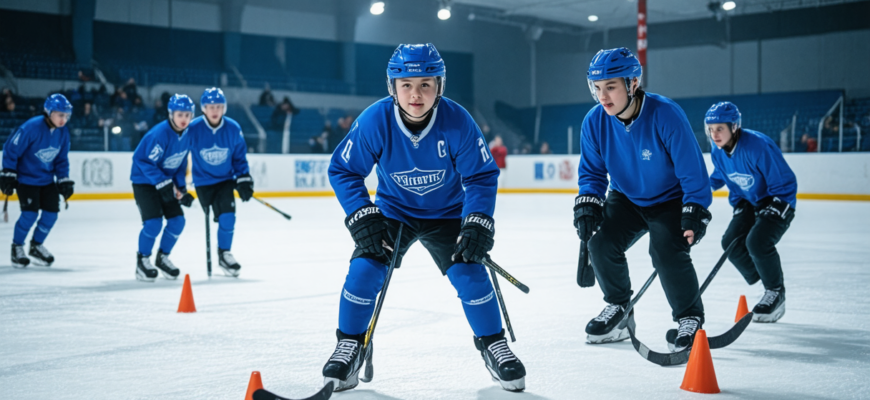
Hockey is an exhilarating and fast-paced sport that attracts thousands of enthusiasts worldwide. For beginners, stepping onto the ice and mastering fundamental skills can seem daunting. However, building a solid foundation through simple, effective drills can significantly accelerate learning and boost confidence. This comprehensive guide aims to introduce amateur hockey players to beginner-friendly drills, offering detailed instructions, tips, and insights to help you get started on your hockey journey.
- Understanding the Importance of Basic Hockey Drills
- Essential Equipment for Beginner Hockey Drills
- Core Skills to Focus on for Beginners
- Top Beginner-Friendly Hockey Drills
- 1. Skating Basics: Forward and Backward Skating
- Objective:
- Instructions:
- Tips:
- 2. Edge Control and Turns
- Objective:
- Instructions:
- Tips:
- 3. Stick Handling with Foam Puck or Ball
- Objective:
- Instructions:
- Tips:
- 4. Passing Drill: Wall Pass Practice
- Objective:
- Instructions:
- Tips:
- 5. Shooting Basics: Wrist Shot
- Objective:
- Instructions:
- Tips:
- Sample Weekly Practice Schedule for Beginners
- Additional Tips for Successful Beginners
- Common Mistakes to Avoid in Beginner Hockey Drills
- Additional Resources for Amateur Hockey Enthusiasts
Understanding the Importance of Basic Hockey Drills
Before diving into specific exercises, it is essential to understand why fundamental drills are crucial for amateur players. They help develop essential skills such as puck control, skating, passing, and shooting—each vital for progressing in the game. Well-structured beginner drills also promote proper technique, reduce the risk of injury, and foster confidence on the ice.
Essential Equipment for Beginner Hockey Drills
| Equipment | Description |
|---|---|
| Hockey Skates | Properly fitted skates are vital for stability and agility. |
| Hockey Stick | Lightweight sticks suitable for beginners to facilitate control. |
| Puck | Standard hockey pucks or foam pucks for safety and ease of handling. |
| Protective Gear | Helmet, gloves, elbow and knee pads, and shoulder pads for safety during practice. |
| Cones or Markers | Used for slalom drills and boundary markers. |
Core Skills to Focus on for Beginners
- Skating Fundamentals: Balance, stride, stopping, and turning.
- Puck Control: Stick handling, puck pushing, and protecting the puck.
- Passing and Shooting: Accurate passes and simple shooting techniques.
- Game Awareness: Positioning and understanding basic game rules.
Top Beginner-Friendly Hockey Drills
1. Skating Basics: Forward and Backward Skating
Objective:
Develop confidence and control in forward and backward skating, which are the foundation of all hockey movements.
Instructions:
- Start in a ready position with knees slightly bent, head up, and arms relaxed.
- Push off with one foot to glide forward, maintaining balance and a slight forward lean.
- Alternate legs to advance, keeping strides smooth and controlled.
- To skate backward, shift weight and push off with one foot, sliding backward while keeping your head up.
- Practice in a straight line over 10-15 meters, then repeat while weaving between cones for agility.
Tips:
- Maintain low center of gravity for stability.
- Use arms for balance and natural motion.
- Focus on fluid transitions between forward and backward skating.
2. Edge Control and Turns
Objective:
Enhance edge work skills essential for tight turns and agility.
Instructions:
- Set up cones in a zigzag pattern.
- Skate toward the first cone, then use inside edges to turn sharply around it.
- Repeat, practicing both left and right turns.
- Focus on controlling edge pressure and maintaining balance throughout the turn.
Tips:
- Keep knees bent and weight centered over skates.
- Use hips and shoulders to direct movement.
- Practice at slow speeds until comfortable before increasing pace.
3. Stick Handling with Foam Puck or Ball
Objective:
Improve puck or ball control and hand-eye coordination.
Instructions:
- Stand comfortably with feet shoulder-width apart.
- Use your top hand to guide the stick, while the bottom hand provides control.
- Push the puck or ball along the ice or floor using gentle, controlled strokes.
- Practice moving the puck in straight lines, then weave around cones or markers.
- Increase the difficulty by using only one hand or puck at higher speeds.
Tips:
- Keep your knees slightly bent for improved control.
- Maintain relaxed grip to avoid fatigue.
- Simplify movements initially, then gradually add complexity.
4. Passing Drill: Wall Pass Practice
Objective:
Develop accurate passing and receiving skills, fundamental for game situations.
Instructions:
- Find a smooth, hard wall or surface suitable for rebounding pucks.
- Stand about 2 meters from the wall with your stick on the ice.
- Push the puck against the wall with controlled force, then receive it back.
- Focus on cushioning the puck and controlling it before passing again.
- Practice passing with both forehand and backhand grips.
Tips:
- Maintain a stable stance for consistency.
- Use your ankles and hips for smooth movements.
- Adjust passing strength based on distance to the wall.
5. Shooting Basics: Wrist Shot
Objective:
Learn a simple, effective shot technique suitable for beginners.
Instructions:
- Stand in a comfortable stance with the puck a few inches from your body.
- Hold the stick with both hands, knees bent slightly.
- Pull your wrists back, then quickly snap forward to shoot the puck.
- Follow through with the stick pointing toward the target.
- Practice aiming at specific spots or targets on the goal.
Tips:
- Practice consistent wrist movement for accuracy.
- Keep your eyes on the target, not just the puck.
- Start slow, then increase speed once comfortable.
Sample Weekly Practice Schedule for Beginners
| Day | Focus Area | Activities |
|---|---|---|
| Monday | Skating & Edges | Forward/backward skating drills, edge control exercises. |
| Wednesday | Puck Control & Passing | Stick handling, wall passes, and basic puck protection. |
| Friday | Shooting & Game Situations | Shoot training, small-sided games, and positioning drills. |
| Saturday/Sunday | Review & Light Practice | Repeat favorite drills, focus on smooth technique, and enjoy free skating. |
Additional Tips for Successful Beginners
- Progress Gradually: Avoid rushing; master each skill before moving to more advanced exercises.
- Consistent Practice: Regular training slices down learning curves faster.
- Seek Feedback: Coaches or experienced players can offer valuable tips and corrections.
- Stay Patient and Positive: Growth takes time; celebrate small achievements.
- Focus on Technique: Proper form prevents bad habits and promotes safety.
Common Mistakes to Avoid in Beginner Hockey Drills
- Overextending during skating, leading to loss of balance.
- Trying to perform advanced moves prematurely.
- Ignoring safety rules or protective gear wearing.
- Skipping warm-up and cool-down routines, risking injury.
2>Neglecting proper posture and positioning.
Additional Resources for Amateur Hockey Enthusiasts
- Hockey Canada Official Website: Guides, training tips, and rules.
- YouTube Hockey Tutorials: Visual demonstrations of fundamental skills.
- Native Hockey Training: Programs tailored for amateur players.
- Local hockey clubs and community rinks often offer beginner clinics and lessons.
Starting your hockey journey with simple, beginner-friendly drills lays the foundation for more advanced skills and higher confidence on the ice. Emphasizing proper technique, regular practice, and patience will accelerate progress and make the learning process enjoyable. Remember that every professional player once started as a beginner, and consistent effort is the key to improvement. So, gear up, stay motivated, and enjoy your development in this exciting sport!
Похожие записи:
 Basic Strategies for Beginner Hockey Players: A Complete Guide for Amateur Enthusiasts
  How to Wear Your Helmet and Pads Safely: A Complete Guide for Amateur Hockey Players
  Mastering Speed and Control in Skating: The Ultimate Guide for Amateur Hockey Players
  Mastering Passing and Receiving the Puck: Essential Skills for Amateur Hockey Players
  Mastering the Art of Anticipation: How Amateur Hockey Players Can Predict Opponents’ Moves
  Mastering the Art of Following a Hockey Game’s Flow: Essential Tips for Amateur Players to Improve Awareness
  Mastering the Art of Effective Ice Stops: Essential Techniques for Amateur Hockey Players
  Mastering Hockey Stick Handling: Essential Techniques for Beginners
  Mastering the Ice: Basic Skating Techniques Every New Hockey Player Must Know
  Mastering the Ice: Essential Hockey Etiquette and Sportsmanship for Amateur Players
  Mastering the Ice: A Comprehensive Guide to the Basic Rules of Ice Hockey for Beginners
  Understanding Ice Rink Markings and Zones: A Guide for Amateur Hockey Enthusiasts
  The Critical Role of Teamwork and Communication in Ice Hockey Success
  The Crucial Role of Fitness and Strength in Hockey Performance
  Mastering Concentration: Proven Tips to Maintain Mental Focus During Hockey Games