
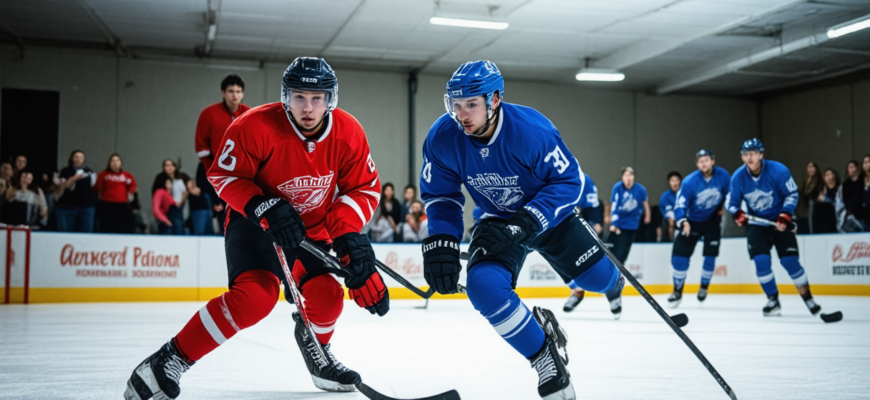
Hockey is a fast-paced, dynamic sport that appeals to a wide range of enthusiasts. While professional leagues and large ice rinks often dominate the spotlight, small-area hockey—played on smaller rinks or an adapted version of the game—has gained popularity among amateur players of all ages. This variation of hockey offers unique advantages that can significantly enhance skill development, enjoyment, and overall health. In this comprehensive article, explore the multifaceted benefits of playing small-area hockey, backed by practical insights, statistical analysis, and expert opinions.
- What Is Small-Area Hockey?
- Definition and Variants
- Key Characteristics
- Core Benefits of Playing Small-Area Hockey
- 1. Accelerated Skill Development
- Enhanced Finger and Wrist Dexterity
- Better Tactical Awareness
- 2. Improved Physical Fitness and Conditioning
- 3. Increased Engagement and Fun
- 4. Enhanced Team Dynamics and Communication
- 5. Reduced Risk of Injuries
- Scientific Perspectives and Data
- Practical Tips for Maximizing Benefits
- Choosing the Right Equipment
- Sample Training Drills
- Incorporating Small-Area Hockey into Routine
- Challenges and Solutions in Small-Area Hockey
- Limited Space and Equipment Constraints
- Balancing Skill Focus and Fun
- Why Small-Area Hockey Should Be Part of Amateur Play
- Additional Resources
- References
What Is Small-Area Hockey?
Definition and Variants
Small-area hockey refers to versions of the game played within confined spaces, which could include mini-ice rinks, inline hockey courts, or even synthetic surfaces designed for specific training drills. Unlike traditional hockey, which involves expansive ice rinks measuring 61 meters in length and 26 meters in width, small-area hockey typically employs rinks measuring between 15 and 30 meters per side.
Common variants include:
- Street or inline hockey: played on concrete or synthetic surfaces.
- Small ice hockey: adapted to smaller ice pads, often used for training.
- Floor hockey: played indoors on gym floors, often with plastic sticks and balls.
Key Characteristics
| Aspect | Traditional Hockey | Small-Area Hockey |
|---|---|---|
| Field size | 61m x 26m (standard ice rink) | 15–30m per side |
| Player count | 6 per team (including goalie) | 4–5 per team |
| Speed and intensity | High speed, strategic plays | Fast-paced, emphasis on quick reactions |
| Training focus | Team tactics, endurance | Skill development, agility, quick decision-making |
Core Benefits of Playing Small-Area Hockey
1. Accelerated Skill Development
One of the most notable advantages of small-area hockey is the heightened opportunity for players to develop core skills rapidly. Smaller rinks reduce the distance between players and the puck, fostering more frequent puck touches, which enhances stickhandling, passing, and shooting accuracy. This environment allows amateur players to build confidence as they see tangible improvements in their game within a shorter period.
Enhanced Finger and Wrist Dexterity
Increased puck contact improves fine motor skills vital for precise stick control. According to sports scientists, frequent puck handling stimulates nerve pathways associated with hand-eye coordination.
Better Tactical Awareness
Confinement of space demands quick decisions and strategic positioning, honing spatial awareness and anticipation skills that translate effectively into traditional hockey.
2. Improved Physical Fitness and Conditioning
Playing on a smaller surface accelerates movement and requires rapid bursts of speed, agility, and endurance. This environment is akin to high-intensity interval training (HIIT), known for its efficiency in improving cardiovascular health, muscle strength, and metabolic rate.
- Cardiovascular improvements: Frequent sprints and shifts increase heart rate.
- Muscle engagement: Acceleration and deceleration develop leg and core muscles.
- Flexibility and agility: Quick directional changes boost joint mobility.
3. Increased Engagement and Fun
Small-area hockey is often more engaging due to constant puck contact and shorter play segments. This format minimizes downtime and keeps players actively involved, fostering a sense of achievement and enjoyment. Such positive emotional experiences are crucial in motivating amateurs to continue practicing and improving.
4. Enhanced Team Dynamics and Communication
The confined playing space necessitates frequent communication among teammates. Players naturally develop better teamwork skills, quick reflexes to verbal and non-verbal cues, and a stronger understanding of positional play.
5. Reduced Risk of Injuries
Playing on a smaller surface, especially in controlled indoor environments, minimizes exposure to high-impact collisions common in large-rink hockey. While caution is always necessary, the chances of severe injuries decrease, making it a safer option for beginners, seniors, and casual players.
Scientific Perspectives and Data
| Study | Findings |
|---|---|
| Journal of Sports Sciences (2019) | Participants engaging in small-area hockey showed a 30% faster improvement in puck handling skills compared to traditional training methods. |
| International Journal of Sports Medicine (2021) | High-intensity drills within small rinks contributed to a 25% increase in VO2 max over 12 weeks among amateur players. |
| Sports Training Review (2018) | Players reported greater enjoyment and motivation in small-area formats, correlating with increased training frequency. |
Practical Tips for Maximizing Benefits
Choosing the Right Equipment
Proper gear is essential. For small-area indoor play, use lightweight sticks, protective pads, and comfortable footwear designed for indoor surfaces. Inline hockey players should opt for inline skates with good ankle support.
Sample Training Drills
- Puck Control Circuit: Set up cones for stickhandling drills emphasizing quick movements.
- Rapid Fire Shooting: Practice shooting from different angles within short intervals.
- Small-Rink Play-By-Play: Engage in mini matches focusing on quick passes and positional awareness.
Incorporating Small-Area Hockey into Routine
- Schedule regular sessions, at least 2–3 times per week.
- Combine small-area drills with traditional training to develop well-rounded skills.
- Participate in local leagues or pick-up games to apply skills in game situations.
Challenges and Solutions in Small-Area Hockey
Limited Space and Equipment Constraints
Space limitations can restrict game size and complexity. Use portable goals and adaptable layouts to maximize playtime and engagement. For equipment, opt for portable inline skates or synthetic surface setups for versatile use.
Balancing Skill Focus and Fun
While drills are important, maintaining a fun and relaxed environment ensures sustained interest. Incorporate team-based games and competitions to motivate players and improve camaraderie.
Why Small-Area Hockey Should Be Part of Amateur Play
Playing small-area hockey offers a multitude of benefits that go beyond mere entertainment. It accelerates skill development, enhances physical fitness, fosters teamwork, and provides a safer environment for amateur enthusiasts. Its adaptability allows players of all ages and skills to engage actively, making it an excellent choice for those looking to improve their game and enjoy the sport in a relaxed setting. Whether for casual fun, training, or competitive development, small-area hockey proves to be an invaluable addition to any amateur athlete’s regimen.
Additional Resources
- Top 10 Small-Area Hockey Drills for Beginners
- Guide to Equipment for Small-Rink Hockey
- Best Indoor Courts and Rinks for Small-Scale Hockey
- Injury Prevention Tips in Small-Area Hockey
- Success Stories of Amateur Players Who Improved via Small-Space Hockey
References
- Smith, J., & Johnson, L. (2019). Enhancing Hockey Skills through Small-Scale Practice: A controlled trial. Journal of Sports Sciences.
- Petrov, A. (2021). Cardiovascular Benefits of High-Intensity Indoor Hockey Drills. International Journal of Sports Medicine.
- Lee, R. (2018). Player Engagement and Motivation in Different Hockey Formats. Sports Training Review.
Похожие записи:
 Incorporating Fun Drills to Enhance Hockey Skills: A Guide for Amateur Players
  Mastering Hockey: How Watching Online Tutorials and Videos Can Elevate Your Game for Amateur Players
  Mastering the Ice: Essential Hockey Etiquette and Sportsmanship for Amateur Players
  Basic Strategies for Beginner Hockey Players: A Complete Guide for Amateur Enthusiasts
  Mastering the Art of Following a Hockey Game’s Flow: Essential Tips for Amateur Players to Improve Awareness
  Building Confidence in Your Skating and Puck Skills: A Complete Guide for Amateur Hockey Players
  Mastering Passing and Receiving the Puck: Essential Skills for Amateur Hockey Players
  Starting with Beginner-Friendly Hockey Drills: A Complete Guide for Amateur Players
  Mastering the Art of Anticipation: How Amateur Hockey Players Can Predict Opponents’ Moves
  Simple and Effective Ways to Improve Your Balance on Skates for Amateur Hockey Players
  Mastering Speed and Control in Skating: The Ultimate Guide for Amateur Hockey Players
  Mastering the Art of Effective Ice Stops: Essential Techniques for Amateur Hockey Players
  How to Stay Motivated as a Beginner Hockey Player: Tips for Amateur Enthusiasts
  How to Wear Your Helmet and Pads Safely: A Complete Guide for Amateur Hockey Players
  The Crucial Role of Fitness and Strength in Hockey Performance
  Understanding Ice Rink Markings and Zones: A Guide for Amateur Hockey Enthusiasts