
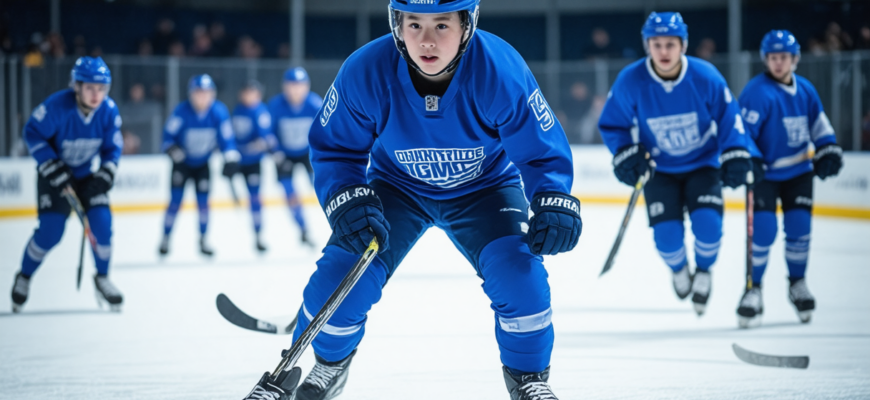
Starting out in hockey can be an exciting yet challenging experience for any novice. The sport demands physical agility, mental resilience, and continuous practice. However, maintaining motivation throughout the learning process often proves difficult, especially for beginners who face initial setbacks, fatigue, or self-doubt. This comprehensive guide aims to provide practical strategies for amateur hockey players to stay motivated, improve skills, and enjoy the game to the fullest.
- Understanding the Importance of Motivation in Hockey Development
- Common Challenges Facing Beginner Hockey Players
- Practical Tips to Maintain Motivation as a Beginner Hockey Player
- 1. Set Realistic and Achievable Goals
- 2. Track Your Progress Regularly
- 3. Focus on Fun and Enjoyment
- 4. Embrace Learning and Accept Mistakes
- 5. Find a Supportive Community
- 6. Establish a Consistent Routine
- Training Strategies to Boost Motivation
- 1. Vary Your Practice Activities
- 2. Set Personal Records and Celebrate Achievements
- 3. Visualize Success
- 4. Use Inspirational Content
- Maintaining Motivation During Challenges
- 1. Address Plateaus
- 2. Manage Injuries and Rest
- 3. Keep a Positive Mindset
- Sample Weekly Training Schedule for Beginners
- Essential Equipment and Its Role in Motivation
- The Role of Nutrition and Rest in Sustaining Motivation
- Tips for Maintaining Healthy Lifestyle Habits
- Keep Moving Forward
- Additional Resources
Understanding the Importance of Motivation in Hockey Development
Motivation serves as the fuel that drives consistent practice, learning, and perseverance in any sport. For beginner hockey players, it’s crucial to recognize that progress often involves overcoming obstacles and embracing the journey rather than solely focusing on the end goal. Sustained enthusiasm leads to better skill acquisition, increased confidence, and a deeper enjoyment of the game.
Common Challenges Facing Beginner Hockey Players
Before exploring motivational strategies, it’s helpful to understand typical hurdles that beginners encounter:
- Physical fatigue: Hockey is physically demanding, and initial workouts can be exhausting.
- Technical difficulties: Mastering skating, puck handling, and shooting takes time and patience.
- Lack of confidence: Making mistakes is part of learning, but it can cause frustration.
- Limited progress visibility: Improvements may seem slow, leading to demotivation.
- Fear of injury or failure: Anxiety about hurting oneself or not performing well.
Practical Tips to Maintain Motivation as a Beginner Hockey Player
1. Set Realistic and Achievable Goals
Establishing clear, attainable objectives helps maintain focus and provides a sense of accomplishment. Goals should be specific, measurable, relevant, and time-bound (SMART). For example:
- Learn to confidently skate forward in two weeks.
- Improve puck control during practice sessions within a month.
- Participate in a beginner-friendly match within three months.
Breaking down larger ambitions into smaller milestones allows players to celebrate small victories, fueling motivation to continue improving.
2. Track Your Progress Regularly
Using a training journal or digital app to monitor improvements helps visualize growth over time. Record aspects such as skating speed, accuracy of shots, or endurance levels. Regular reflection reinforces a sense of progress and highlights areas needing extra focus.
3. Focus on Fun and Enjoyment
Remember that hockey is ultimately a sport meant for enjoyment. Incorporate playful drills, friendly competitions, and social interactions to keep practice sessions lively. When players associate the sport with fun, motivation naturally increases.
4. Embrace Learning and Accept Mistakes
Understanding that mistakes are an essential part of growth prevents frustration. Celebrate errors as opportunities to learn, rather than setbacks. Developing a growth mindset encourages persistence and resilience.
5. Find a Supportive Community
Joining local hockey clubs, attending group training, or practicing with friends creates a support system that fosters motivation. Peers can provide encouragement, share tips, and share victories, strengthening commitment to ongoing development.
6. Establish a Consistent Routine
Creating a weekly schedule for practice and games helps build discipline and maintain momentum. Even short daily exercises can significantly impact skill improvement and motivation.
Training Strategies to Boost Motivation
1. Vary Your Practice Activities
To prevent boredom, include diverse drills focusing on skating, shooting, stickhandling, and tactical awareness. Incorporate fun challenges like timed puck dribbling or obstacle courses to keep sessions engaging.
2. Set Personal Records and Celebrate Achievements
Track personal bests and celebrate milestones such as improving shot accuracy by a percentage or mastering a new skating technique. Recognition of progress enhances motivation and self-confidence.
3. Visualize Success
Spend time visualizing executing skills perfectly during games or competitions. Visualization techniques prepare the mind for actual performance, reducing anxiety and boosting confidence.
4. Use Inspirational Content
Watch inspirational hockey games, documentaries, or highlight reels of professional players. Such content can ignite passion and provide models of persistence and excellence for beginners.
Maintaining Motivation During Challenges
1. Address Plateaus
Experiencing periods of stagnation is normal. To overcome this, try new drills, adjust training intensity, or seek feedback from coaches or more experienced players. Changing routines can reignite enthusiasm.
2. Manage Injuries and Rest
Proper recovery and listening to the body prevent burnout and maintain long-term motivation. Incorporate rest days and consult health professionals when needed.
3. Keep a Positive Mindset
Focus on what has been achieved rather than dwelling on setbacks. Practice self-affirmation and surround yourself with positive influences to preserve enthusiasm.
Sample Weekly Training Schedule for Beginners
| Day | Activities |
|---|---|
| Monday | Skating drills + endurance exercises (30-40 mins) |
| Tuesday | Stickhandling practice + light scrimmage (45 mins) |
| Wednesday | Rest or light stretching |
| Thursday | Shooting accuracy + agility drills (30-40 mins) |
| Friday | Team practice or game simulation (1 hour) |
| Saturday | Video analysis of techniques + review (20 mins) |
| Sunday | Rest or casual skating |
Essential Equipment and Its Role in Motivation
Having the right gear not only ensures safety but also boosts confidence on the ice. Beginners should focus on:
- Skates: Properly fitted skates improve comfort and control.
- Helmet: Vital for safety; comfort boosts willingness to try new skills.
- Puck and Stick: Quality equipment enhances training effectiveness.
- Protective Gear: Pads, gloves, and guards build confidence during practice.
Investing in good equipment can serve as motivation by making practice sessions more enjoyable and secure.
The Role of Nutrition and Rest in Sustaining Motivation
A balanced diet and adequate sleep are fundamental for maintaining high energy levels. Proper nutrition fuels training, while rest prevents fatigue, reducing injury risk and keeping spirits high.
Tips for Maintaining Healthy Lifestyle Habits
- Eat a variety of fruits, vegetables, lean proteins, and healthy fats.
- Stay hydrated before, during, and after training.
- Aim for 7-9 hours of quality sleep each night.
- Incorporate stretching and recovery routines post-training.
Keep Moving Forward
Embarking on a hockey journey as a beginner is both thrilling and demanding. The key to long-term success and enjoyment lies in maintaining motivation through goal setting, celebrating progress, fostering a positive mindset, and continuously challenging oneself. With perseverance and passion, amateur players can develop skills, build confidence, and experience the true joy of hockey. Remember, every professional athlete was once a beginner—stay dedicated, keep practicing, and enjoy the game!
Additional Resources
- Beginner hockey drills
- Top hockey training tips for amateurs
- Finding local hockey leagues
- How to choose the right hockey equipment
Starting a new sport is a rewarding challenge. With the right mindset and strategies, motivation will remain high, helping every beginner hockey player reach new heights.
Похожие записи:
 Basic Strategies for Beginner Hockey Players: A Complete Guide for Amateur Enthusiasts
  Starting with Beginner-Friendly Hockey Drills: A Complete Guide for Amateur Players
  Conquer Your First Ice Hockey Fears: Essential Tips for Beginners
  Mastering the Ice: Basic Skating Techniques Every New Hockey Player Must Know
  Mastering Hockey: How Watching Online Tutorials and Videos Can Elevate Your Game for Amateur Players
  Building Confidence in Your Skating and Puck Skills: A Complete Guide for Amateur Hockey Players
  Mastering the Art of Following a Hockey Game’s Flow: Essential Tips for Amateur Players to Improve Awareness
  Mastering Concentration: Proven Tips to Maintain Mental Focus During Hockey Games
  Incorporating Fun Drills to Enhance Hockey Skills: A Guide for Amateur Players
  Simple and Effective Ways to Improve Your Balance on Skates for Amateur Hockey Players
  Understanding Ice Rink Markings and Zones: A Guide for Amateur Hockey Enthusiasts
  Mastering Speed and Control in Skating: The Ultimate Guide for Amateur Hockey Players
  Mastering the Art of Effective Ice Stops: Essential Techniques for Amateur Hockey Players
  The Surprising Benefits of Playing Small-Area Hockey for Amateur Players
  Mastering Hockey Stick Handling: Essential Techniques for Beginners
  The Crucial Role of Fitness and Strength in Hockey Performance