
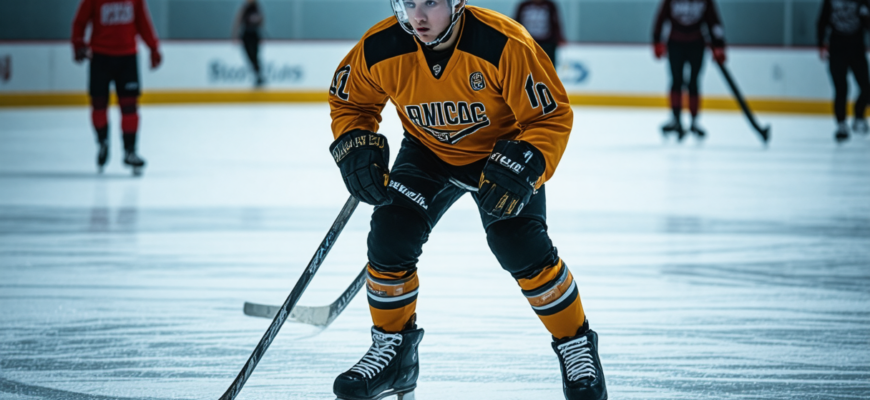
Hockey is a fast-paced, physically demanding sport that requires not only skill and agility but also exceptional balance and stability. For amateur players, developing these foundational elements can significantly improve performance on ice, reduce the risk of injuries, and enhance overall confidence during gameplay. This comprehensive guide explores the key principles, exercises, and strategies that can help hockey enthusiasts at all levels enhance their balance and stability. Whether you’re a beginner or looking to refine your skills, understanding and applying these methods will contribute to your growth as a player.
- Understanding the Importance of Balance and Stability in Hockey
- Fundamental Principles of Balance and Stability
- Proprioception and Neuromuscular Control
- Core Strength
- Lower Limb Stability
- Effective Exercises to Improve Balance and Stability
- 1. Balance Board Exercises
- 2. Single-Leg Exercises
- 3. Plank Variations
- 4. Dynamic Stability Drills
- 5. Plyometric Exercises
- Incorporating Balance and Stability Training into Hockey Practice
- 1. Warm-Up with Balance Drills
- 2. Combine Off-Ice and On-Ice Workouts
- 3. Use Equipment to Challenge Stability
- 4. Develop a Progressive Training Plan
- Additional Tips to Enhance Balance and Stability
- 1. Focus on Proper Technique
- 2. Maintain Flexibility and Mobility
- 3. Prioritize Consistency
- 4. Include Cross-Training Activities
- Sample Weekly Balance and Stability Workout Plan
- Safety Considerations and Common Mistakes
- Building a Solid Foundation for Better Hockey Performance
- Additional Resources
Understanding the Importance of Balance and Stability in Hockey
Before delving into techniques and exercises, it’s essential to understand why balance and stability are critical components of hockey performance. The sport demands dynamic movements such as rapid turns, sudden stops, quick accelerations, and maintaining control while skating at high speeds. These actions heavily rely on the athlete’s core strength, proprioception, and neuromuscular control.
Effective balance allows players to stay upright during complex maneuvers, recover swiftly from disruptions, and maintain optimal position relative to opponents and the puck. Stability, particularly in the core and lower limbs, provides a solid foundation for powerful strides, accurate shots, and precise stickhandling. Without a stable base, even the most skilled players can struggle to perform at their best, risking falls or injuries.
Fundamental Principles of Balance and Stability
Proprioception and Neuromuscular Control
Proprioception refers to the body’s ability to sense its position in space, while neuromuscular control involves the coordination of muscular responses to maintain balance. Enhancing these sensory and motor pathways is crucial for responsive and controlled movements on ice.
Core Strength
The core serves as the central link between the upper and lower body. A strong core enhances balance, stabilizes the spine, and improves overall movement efficiency. Core exercises should be integrated into regular training routines for the best results.
Lower Limb Stability
Strong and stable legs form the foundation for effective skating and quick directional changes. Focused training on leg strength and joint stability helps prevent injuries and boosts on-ice performance.
Effective Exercises to Improve Balance and Stability
1. Balance Board Exercises
Using a balance board or wobble cushion challenges the stabilizing muscles and enhances proprioception. Practice standing on the board with both feet, maintaining balance for 30 seconds to 1 minute, and progress to single-leg stance for increased difficulty.
2. Single-Leg Exercises
- Single-Leg Romanian Deadlifts: Focus on maintaining balance while hinging at the hips, strengthening posterior chain and improving stability.
- Single-Leg Squats: Boost leg strength and balance simultaneously.
- Standing March: While balancing on one leg, lift the opposite knee high, engaging core muscles.
3. Plank Variations
Core stability is vital for balance. Incorporate:
- Standard Plank
- Side Planks
- Dynamic Planks (moving arm or leg while maintaining plank position)
4. Dynamic Stability Drills
- Lateral Lunges with Reach: Improves side-to-side stability and hip mobility.
- Skating Drills on Dry Land: Mimic skating strides to develop balance during lateral movements.
- Ball Drop and Catch: Partner throws a ball, and the player catches, stabilizing on one foot.
5. Plyometric Exercises
Jumping and explosive movements strengthen the lower limbs and enhance reactive stability:
- Jump Squats
- Box Jumps
- Lateral Hops
Incorporating Balance and Stability Training into Hockey Practice
To maximize improvements, integrate balance exercises into regular hockey training routines. Here are some strategies for effective implementation:
1. Warm-Up with Balance Drills
Begin each session with light balance exercises such as single-leg stands or balance board work to activate stabilizing muscles.
2. Combine Off-Ice and On-Ice Workouts
Develop core and lower limb stability off the ice, then translate these gains into on-ice skills like turns and stops through specialized drills.
3. Use Equipment to Challenge Stability
- Balance discs
- Foam pads
- Stability balls
These tools create unstable surfaces, forcing the body to adapt and strengthen stabilizers.
4. Develop a Progressive Training Plan
- Beginner Level: Static balance exercises (e.g., single-leg stands).
- Intermediate Level: Dynamic stability drills with movement.
- Advanced Level: Incorporate reactive drills and plyometric movements.
Additional Tips to Enhance Balance and Stability
1. Focus on Proper Technique
Proper body positioning during skating, shooting, and stickhandling reduces unnecessary strain and improves control. Maintain a slight bend in the knees, keep your center of gravity low, and avoid leaning excessively forward or backward.
2. Maintain Flexibility and Mobility
Stretch regularly to ensure joints and muscles are supple. Tight muscles can impair movement patterns and stability.
3. Prioritize Consistency
Regular training yields the best results. Dedicate specific sessions to balance and stability exercises at least 2-3 times per week.
4. Include Cross-Training Activities
Practicing yoga, Pilates, or martial arts can further enhance core strength, flexibility, and proprioception, translating into better on-ice stability.
Sample Weekly Balance and Stability Workout Plan
| Day | Workout Focus | Activities |
|---|---|---|
| Monday | Core Stability |
|
| Wednesday | Leg and Balance Training |
|
| Friday | Explosive Power and Dynamic Stability |
|
| Sunday | Active Recovery and Mobility |
|
Safety Considerations and Common Mistakes
While engaging in balance and stability exercises, it is vital to prioritize safety and correct technique to prevent injury and maximize benefits. Key points include:
- Warm up thoroughly: Cold muscles are prone to injury.
- Progress gradually: Avoid overloading or advancing too quickly to prevent strain.
- Use proper footwear and equipment: Ensure stability tools are stable and appropriate for workout intensity.
- Maintain proper form: Engaging core muscles and controlling movements reduce injury risk.
Common mistakes to avoid:
- Neglecting small stabilizer muscles by focusing only on major muscle groups.
- Performing exercises with poor technique or compromised posture.
- Overtraining balance exercises without adequate recovery.
Building a Solid Foundation for Better Hockey Performance
Enhancing balance and stability is fundamental for amateur hockey players aiming to elevate their game. By understanding the core principles, incorporating targeted exercises, and practicing consistently, athletes can achieve superior control, agility, and confidence on ice. Remember, progress takes time—patience and dedication are key. With a well-structured training regimen and attention to proper technique, amateur players can unlock their full potential and enjoy a more dynamic, injury-free hockey experience.
Additional Resources
- Recommended balance training tools: balance discs, wobble boards, stability balls.
- Expert videos on on-ice balance techniques.
- Guidelines for integrating strength training with stability exercises.
Embrace the challenge of mastering balance and stability, and watch your hockey skills improve dramatically. Stay consistent, prioritize safety, and enjoy your journey to becoming a more stable, agile, and confident player on the ice!
Похожие записи:
 Simple and Effective Ways to Improve Your Balance on Skates for Amateur Hockey Players
  Mastering the Art of Effective Ice Stops: Essential Techniques for Amateur Hockey Players
  Mastering Faceoff Techniques: A Comprehensive Guide for Amateur Hockey Enthusiasts
  Mastering Hockey Stick Handling: Essential Techniques for Beginners
  Mastering Speed and Control in Skating: The Ultimate Guide for Amateur Hockey Players
  Mastering the Ice: Basic Skating Techniques Every New Hockey Player Must Know
  Essential Stickhandling Drills for New Hockey Players: Improve Your Skills on Ice
  Mastering the Art of Following a Hockey Game’s Flow: Essential Tips for Amateur Players to Improve Awareness
  Mastering the Basics: Wrist Shot and Slap Shot Techniques in Hockey for Amateurs
  Mastering Hockey Shooting Techniques from Different Angles: A Guide for Amateurs
  Mastering Passing and Receiving the Puck: Essential Skills for Amateur Hockey Players
  Essential Safety Tips for Novice Players: Ensuring Safe and Enjoyable Hockey for Amateurs
  Mastering the Ice: Essential Hockey Etiquette and Sportsmanship for Amateur Players
  Incorporating Fun Drills to Enhance Hockey Skills: A Guide for Amateur Players
  Mastering the Art of Anticipation: How Amateur Hockey Players Can Predict Opponents’ Moves
  Mastering Hockey: How Watching Online Tutorials and Videos Can Elevate Your Game for Amateur Players