
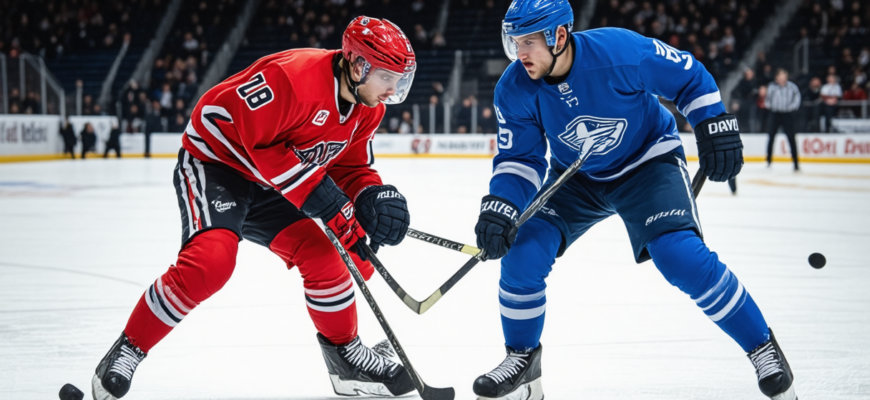
In the fast-paced world of ice hockey, few skills are as crucial as executing successful faceoffs. Whether you’re a novice player looking to improve or an avid fan eager to understand the game better, mastering faceoff techniques is essential for gaining an edge on the ice. This comprehensive guide delves into the core principles, strategies, and practical tips for performing effective faceoffs. By understanding these techniques, amateur players can enhance their gameplay, contribute to team success, and deepen their appreciation of the sport.
- Understanding the Importance of Faceoffs in Hockey
- The Fundamentals of Faceoff Technique
- What Is a Faceoff?
- Core Components of a Faceoff
- Step-by-Step Guide to Faceoff Techniques
- Preparing for the Faceoff
- Positioning and Stance
- The Faceoff Execution
- Common Faceoff Techniques
- 1. The Forehand Technique
- 2. The Backhand Technique
- 3. The Neutral Technique
- Strategies for Winning Faceoffs
- Analyzing Opponent Tendencies
- Counter Techniques and Tricks
- Physical and Mental Conditioning for Faceoffs
- Physical Fitness
- Mental Preparation
- Common Mistakes and How to Avoid Them
- Practice Drills to Improve Faceoff Skills
- 1. Static Faceoff Drill
- 2. Reaction Speed Drill
- 3. Partner Facing Drills
- 4. Video Analysis
- Integrating Faceoff Skills into Overall Gameplay
Understanding the Importance of Faceoffs in Hockey
Hockey is a sport of continuous motion and anticipation, with faceoffs serving as pivotal moments that can determine the flow of the game. Winning faceoffs allows a team to regain possession quickly, set up offensive plays, and control the rhythm of the game. Conversely, losing faceoffs can result in turnovers and missed scoring opportunities. For amateur players, developing strong faceoff skills can be particularly advantageous, helping to compensate for other limitations and making individual contributions on the ice.
The Fundamentals of Faceoff Technique
What Is a Faceoff?
A faceoff is a method used to start play or restart after stoppages, where two opposing players position themselves face-to-face and attempt to gain control of the puck once it is dropped by the referee. Mastering this initial contest is critical in asserting dominance in game situations.
Core Components of a Faceoff
- Stance: A balanced, low center of gravity position for stability.
- Grip: Proper hold on the stick to facilitate quick, controlled movements.
- Footwork: Precise and explosive movement to gain leverage and position.
- Timing: Coordinating the drop of the puck with an aggressive yet controlled attempt to win possession.
Step-by-Step Guide to Faceoff Techniques
Preparing for the Faceoff
Preparation is key. Players should quickly analyze the opponent’s tendencies, stance, and favored side. Good posture and readiness help maximize the chance of winning the faceoff.
Positioning and Stance
- Feet Position: Place feet shoulder-width apart, with knees slightly bent and weight evenly distributed.
- Stick Grip: Hold the stick with both hands, with the dominant hand placed lower on the shaft for control.
- Body Alignment: Face the referee and opponent squarely, with shoulders parallel to the ice surface.
The Faceoff Execution
The process involves several key steps:
- Engagement: Establish eye contact with the opponent, signaling readiness.
- Time the Drop: Wait for the referee’s signal, then swiftly execute the move.
- Leverage and Push: Use your legs and core to lean into the opponent, attempting to control the puck as it is dropped.
Common Faceoff Techniques
1. The Forehand Technique
Involves dropping the puck directly in front of the player’s forehand side, allowing for a quick push toward the opponent’s goal. Suitable for players with strong forehand control.
2. The Backhand Technique
Title suggests dropping the puck slightly behind, giving the player an advantage to maneuver the puck with the backhand, which can be harder for opponents to predict.
3. The Neutral Technique
A balanced approach, where the puck is dropped centrally, enabling the player to execute either forehand or backhand push depending on the situation.
Strategies for Winning Faceoffs
Analyzing Opponent Tendencies
Observing how opponents win or lose faceoffs during the game can inform your own approach. For example:
- Does the opponent favor certain side wins?
- Are they quick or slow in their movements?
- Are they better at forehand or backhand draws?
Counter Techniques and Tricks
Effective faceoff specialists employ various tricks, including:
- Feigning movement to throw off the opponent
- Varying grip tightness to influence puck drop timing
- Using quick, explosive movements to gain leverage
Physical and Mental Conditioning for Faceoffs
Physical Fitness
Strong legs and core muscles are vital for explosive movement and stability during faceoffs. Exercises targeting these areas include squats, lunges, and core strengthening routines.
Mental Preparation
Concentration and psychological resilience enable players to remain focused under pressure. Visualizing successful faceoffs and developing routines can boost confidence.
Common Mistakes and How to Avoid Them
| Mistake | Explanation | How to Avoid |
|---|---|---|
| Lack of preparation | Not analyzing opponent tendencies can lead to lost possessions. | Study opponent patterns and practice situational responses. |
| Poor stance | Unbalanced positioning reduces leverage. | Practice maintaining low, balanced posture consistently. |
| Mis-timed puck drop | Dropping the puck too early or late hampers control. | Develop a routine to coordinate drop timing with physical movement. |
| Overcommitting | Pushing too hard can lead to losing balance or penalties. | Balance aggression with control; anticipate when to push and when to hold back. |
Practice Drills to Improve Faceoff Skills
1. Static Faceoff Drill
Players focus on stance, grip, and puck drop without movement. Aim for consistency and control.
2. Reaction Speed Drill
Use a timer or coach’s signal to practice quick reactions and optimal timing for puck drops.
3. Partner Facing Drills
Pair players to simulate faceoff confrontations, emphasizing technique, leverage, and strategic movement.
4. Video Analysis
Record faceoff attempts and review footage to identify strengths and areas for improvement.
Integrating Faceoff Skills into Overall Gameplay
Effective faceoff techniques are not isolated but integrated into broader game strategies. Players should practice situational awareness, understanding when to aggressively fight for possession or when to position themselves passively. Combining technical skill with game sense maximizes the benefit of mastering faceoffs.
Faceoffs are fundamental elements of hockey that demand a blend of technique, strategy, and mental acuity. For amateur players aiming to elevate their game, dedicating time to practicing and refining faceoff skills can lead to noticeable improvements on the ice. By understanding the mechanics, adopting proven strategies, and consistently training, players can boost their confidence and contribute to team success in every game.
In the dynamic environment of hockey, mastering faceoff techniques transforms a routine whistle restart into a competitive advantage. Remember, consistent practice and smart strategy are the cornerstones of becoming a reliable and effective faceoff specialist, regardless of your skill level.
Похожие записи:
 Mastering Puck Possession: Essential Techniques for Amateur Hockey Players
  Mastering Balance and Stability: Essential Techniques for Amateur Hockey Players
  Essential Checking Techniques for Ensuring Safety in Amateur Hockey
  Mastering Hockey Shooting Techniques from Different Angles: A Guide for Amateurs
  Mastering the Basics: Wrist Shot and Slap Shot Techniques in Hockey for Amateurs
  Basic Strategies for Beginner Hockey Players: A Complete Guide for Amateur Enthusiasts
  Mastering the Ice: A Comprehensive Guide to the Basic Rules of Ice Hockey for Beginners
  Ultimate Guide to Drills that Boost Eye and Hand Coordination for Amateur Hockey Enthusiasts
  Mastering the Art of Effective Ice Stops: Essential Techniques for Amateur Hockey Players
  Mastering Hockey Stick Handling: Essential Techniques for Beginners
  Mastering the Art of Puck Recovery: Strategies for Effective Play in Amateur Hockey
  Mastering the Ice: Essential Defensive Positioning Strategies in Hockey for Amateurs
  Understanding Ice Rink Markings and Zones: A Guide for Amateur Hockey Enthusiasts
  Mastering the Ice: Basic Skating Techniques Every New Hockey Player Must Know
  Mastering the Art of Shooting with a Stick in Hockey: The Ultimate Guide for Beginners
  Mastering Basic Body Positioning and Stance in Hockey: A Guide for Beginners