
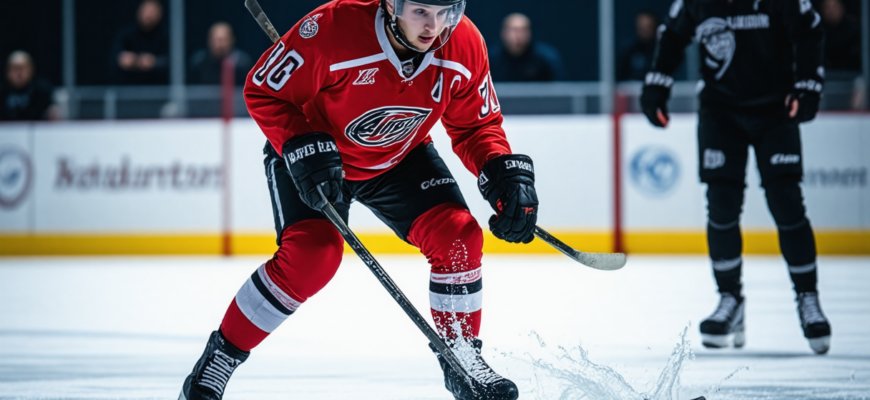
Hockey is a fast-paced and physically demanding sport that combines skill, agility, and precision. For amateur players, understanding and mastering fundamental shooting techniques can significantly improve game performance and enjoyment. Among these techniques, the wrist shot and slap shot are arguably the most essential and versatile tools in any hockey player’s arsenal. This comprehensive guide aims to break down the mechanics, tips, and drills necessary to perfect these shots, enabling amateurs to elevate their playing style with confidence.
- Understanding the Importance of Shooting Techniques in Hockey
- Basic Anatomy and Mechanics of Hockey Shots
- Wrist Shot: The Versatile and Accurate Weapon
- What is a Wrist Shot?
- Proper Technique for Wrist Shot
- Tips for Effective Wrist Shots
- Common Mistakes to Avoid
- Slap Shot: The Power Play
- What is a Slap Shot?
- Proper Technique for Slap Shot
- Tips for Effective Slap Shots
- Common Mistakes to Avoid
- Comparative Table: Wrist Shot vs Slap Shot
- drills to Improve Wrist and Slap Shots
- Wrist Shot Drill
- Slap Shot Drill
- Additional Tips for Amateur Hockey Players
- Taking Your Hockey Shooting Skills to the Next Level
- Additional Resources for Aspiring Hockey Players
Understanding the Importance of Shooting Techniques in Hockey
In hockey, scoring goals requires not only speed and strength but also technical skill. Proper shooting techniques allow players to improve accuracy, power, and consistency. Whether you’re a forward looking to improve your scoring chances or a defenseman wanting to make precise passes or shots on goal, mastering wrist and slap shots is a fundamental step that can make a significant difference on the ice.
These shots are fundamental because they allow players to quickly release the puck, adapt to game situations, and generate varied shot power based on the circumstances. Furthermore, understanding these techniques lays the groundwork for learning more advanced strokes and aumenta overall confidence in gameplay.
Basic Anatomy and Mechanics of Hockey Shots
Before diving into specific techniques, it is important to understand some key components common to all hockey shots:
- Puck control: gripping the stick firmly but flexibly, with control over the puck
- Body positioning: stance, balance, and movement for optimal shot execution
- Stick handling: the way the stick contacts the puck and follows through
- Follow-through: completing the motion for accuracy and power
Now, let’s analyze the two main types of shots—wrist shot and slap shot—in detail.
Wrist Shot: The Versatile and Accurate Weapon
What is a Wrist Shot?
The wrist shot is a quick, accurate shot that involves flicking the puck off the blade of the stick using a wrist movement. It is especially useful in tight spaces and when quick release is needed. Its hallmark is precision rather than brute strength, making it ideal for scoring from close range or in situations when speed of shot matters more than power.
Proper Technique for Wrist Shot
- Stance: Begin with knees slightly bent, feet shoulder-width apart, and weight centered.
- Grip: Hold the stick firmly with both hands, with the top hand near the top of the shaft and the bottom hand about halfway down, gripping comfortably.
- Preparation: Keep the puck on the heel of the blade, slightly forward from your body’s centerline.
- Backswing: Rotate your hips and shoulders, bringing the stick back slightly to set up for the flick. Maintain control and balance.
- Flick and Follow-Through: Using your wrist, rapidly flick the puck forward by snapping your wrists. The motion should be quick and controlled, directing the puck toward the target. Follow through with the blade pointing towards the target.
- Recovery: Reset your stance quickly for the next move or shot.
Tips for Effective Wrist Shots
- Practice wrist flicks repeatedly to develop quick reflexes and muscle memory.
- Use your torso and hips to generate additional power.
- Focus on accurate targeting; even a weak wrist shot can be dangerous if well-placed.
- Develop versatility by practicing shots from different angles and distances.
Common Mistakes to Avoid
- Excessive backswing leading to slow release.
- Not keeping the wrists flexible enough for a smooth flick.
- Poor body balance during the shot, resulting in inaccurate shots.
- Over-reliance on power at the expense of accuracy.
Slap Shot: The Power Play
What is a Slap Shot?
The slap shot is a powerful shot that involves a sweeping or swinging motion of the stick to generate maximum force. It is typically used from a distance or in situations where power is more important than speed of release. The slap shot can produce high-speed shots that are difficult for goalies to save, especially when well-aimed.
Proper Technique for Slap Shot
- Stance: Feet shoulder-width apart, knees bent, weight evenly distributed or slightly forward.
- Grip: Hold the stick firmly with both hands, with the top hand near the top of the shaft and the bottom hand closer to the blade.
- Preparation: Position the puck approximately 6-12 inches behind the heel of the blade, with your body turned perpendicular to the target.
- Backswing: Bring the stick back over your shoulder in a smooth, controlled arc, loading potential energy.
- Downward Sweep and Contact: With a strong, controlled downward swing, make contact with the puck on the blade, using your hips and legs to generate power. Keep your eyes on the puck throughout.
- Follow-Through: Continue the motion after contact, sweeping toward the target with the blade following through, ensuring maximum power transfer.
Tips for Effective Slap Shots
- Use your entire body—core, hips, shoulders, and legs—to generate force.
- Practice rhythm and timing to achieve consistency and accuracy.
- Focus on proper follow-through to transfer as much power as possible.
- Start with slower swings to master technique before increasing speed.
Common Mistakes to Avoid
- Too much backswing leading to loss of control.
- Hitting the puck too early or too late in the swing.
- Fading or losing balance during the shot.
- Neglecting proper follow-through, resulting in weaker shots.
Comparative Table: Wrist Shot vs Slap Shot
| Feature | Wrist Shot | Slap Shot |
|---|---|---|
| Primary Use | Close-range shots, quick releases, accuracy | Distance shots, maximum power |
| Speed of Shot | Moderate, controlled | Very high, powerful |
| Preparation Time | Minimal, quick | Longer, requires wind-up |
| Accuracy | High | Variable, depends on technique |
| Best Situations | Front of the net, tight spaces | From the blue line, power plays |
drills to Improve Wrist and Slap Shots
Consistent practice is key to mastering these techniques. Here are some drills tailored for amateurs:
Wrist Shot Drill
- Target Practice: Set up targets (like cones or hanging nets) at various distances and angles.
- Sequence: Practice short-range wrist shots focusing on quick release and accuracy.
- Variation: Vary puck positioning — start from the forehand, backhand, and side angle.
- Progression: Gradually increase distance and add movement to simulate in-game situations.
Slap Shot Drill
- Power Focus: Practice slow, controlled swings to develop perfect form.
- Target Practice: Use nets or markers in the goal to improve shot placement.
- Distance Shots: Gradually move further from the net to enhance power and control.
- Body Mechanics: Emphasize proper hips rotation and follow-through for maximum force.
Additional Tips for Amateur Hockey Players
- Wear appropriate protective gear, especially gloves and helmet, during practice.
- Watch professional players’ techniques via videos to observe nuances of each shot.
- Seek coaching feedback whenever possible to correct and refine form.
- Practice regularly to build confidence and muscle memory.
- Stay relaxed during shots to maximize efficiency and reduce fatigue.
Taking Your Hockey Shooting Skills to the Next Level
Mastering the wrist shot and slap shot is a fundamental step for amateur hockey players aspiring to improve their scoring ability and overall game performance. By understanding the mechanics behind each shot and dedicating time to consistent practice and drills, players can develop powerful, accurate shots that contribute to victory on the ice. Remember, patience and persistence are crucial—progress may be gradual, but every effort brings improvement and increased enjoyment of the game.
Additional Resources for Aspiring Hockey Players
- Video tutorials on hockey shooting techniques
- Local hockey clinics and coaching courses
- Recommended equipment for practicing shots
- Online forums and communities for sharing tips and experiences
Embrace the learning process, stay disciplined in your practice, and enjoy every step toward becoming a more proficient hockey shooter!
Похожие записи:
 Mastering Hockey Shooting Techniques from Different Angles: A Guide for Amateurs
  Mastering Hockey Stick Handling: Essential Techniques for Beginners
  Mastering Faceoff Techniques: A Comprehensive Guide for Amateur Hockey Enthusiasts
  Mastering the Art of Reading the Game in Hockey: A Guide for Amateurs
  Mastering Balance and Stability: Essential Techniques for Amateur Hockey Players
  Mastering Passing and Receiving the Puck: Essential Skills for Amateur Hockey Players
  Mastering the Ice: Basic Skating Techniques Every New Hockey Player Must Know
  Effective Passing Drills to Boost Teamwork in Hockey for Amateurs
  Mastering the Art of Effective Ice Stops: Essential Techniques for Amateur Hockey Players
  Mastering the Ice: The Essential Guide to Participating in Friendly Scrimmages for Hockey Amateurs
  Essential Safety Tips for Novice Players: Ensuring Safe and Enjoyable Hockey for Amateurs
  Mastering Basic Body Positioning and Stance in Hockey: A Guide for Beginners
  Mastering the Art of Anticipation: How Amateur Hockey Players Can Predict Opponents’ Moves
  Choosing the Right Hockey Stick for Beginners: A Complete Guide for Amateur Players
  Mastering the Fit: How to Properly Fit and Adjust Hockey Gloves for Optimal Performance
  Mastering Speed and Control in Skating: The Ultimate Guide for Amateur Hockey Players