
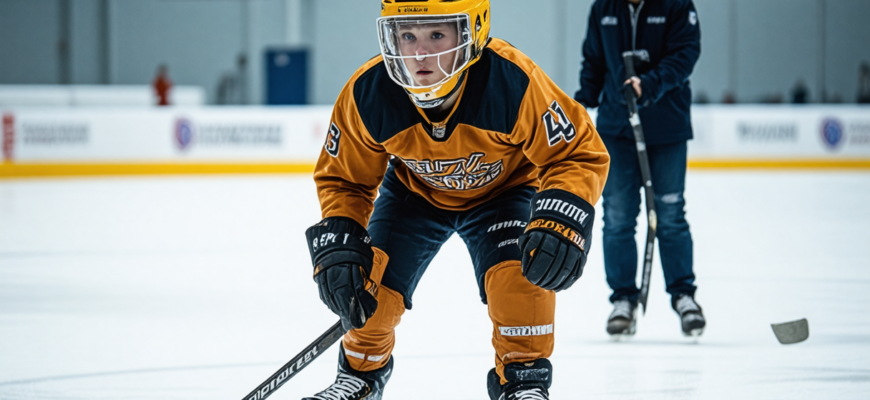
Hockey is an exhilarating sport that combines speed, agility, and teamwork. However, for beginners and amateur players, safety must always be a priority to prevent injuries and foster a positive experience on the ice. Whether you are just starting out or have been playing casually, understanding fundamental safety protocols can significantly reduce the risk of accidents. This comprehensive guide provides essential safety tips tailored specifically for novice hockey players, ensuring that your passion for the game remains safe, fun, and sustainable.
- Understanding the Importance of Safety in Amateur Hockey
- Essential Equipment for Safe Playing
- Protective Gear Checklist
- Proper Technique and Skills Development
- Emphasizing Fundamentals
- Learning from Professionals
- Rules and Conduct for Safety
- Adhering to the Rules
- Promoting Sportsmanship and Respect
- Pre-Game and On-Ice Safety Checks
- Pre-Game Equipment Inspection
- On-Ice Safety Measures
- Warm-Up, Stretching, and Physical Preparation
- Hydration and Nutrition for Optimal Safety
- Dealing with Injuries and Emergencies
- Immediate Response
- Knowing When to Stop Playing
- Prioritizing Safety to Enjoy Hockey for a Lifetime
Understanding the Importance of Safety in Amateur Hockey
While hockey is a dynamic and fast-paced sport, it also involves physical contact, sharp equipment, and high-speed movements that pose inherent risks. For newcomers, especially those unfamiliar with proper techniques or equipment, the probability of injuries increases. Ensuring safety is not only about individual well-being but also about respecting fellow players and maintaining an enjoyable environment for everyone involved.
In amateur settings, the focus should be on minimizing risks through proper equipment, correct playing techniques, and awareness. Implementing safety practices helps to build confidence, develop skills, and promote a lifelong love for the sport.
Essential Equipment for Safe Playing
Proper equipment is the foundation of safety in ice hockey. It serves as the first line of defense against injuries caused by falls, collisions, and accidental contact with sticks or pucks. For novice players, investing in that correctly fits and meets safety standards is vital.
Protective Gear Checklist
| Gear | Description | Importance |
|---|---|---|
| Helmet with face cage | Provides head protection and shields the face from pucks and sticks. | High – prevents concussions and facial injuries. |
| Shoulder pads | Absorbs impacts to shoulders, chest, and upper back. | High – reduces injury risk during falls and collisions. |
| Elbow pads | Protects elbows from falls and contact with other players or equipment. | High – prevents fractures and abrasions. |
| Gloves | Protect hands and wrists from pucks, sticks, and contact. | High – minimizes cuts, bruises, and fractures. |
| Hockey pants (protective Girdle) | Shield hips, thighs, and tailbone. | High – essential for lower body protection. |
| Knee and shin pads | Guard knees and shins from impacts and falls. | High – prevents fractures and abrasions. |
| Skates with proper fit | Includes ankle support and durability for safe skating. | High – aids stability and prevents ankle injuries. |
| Cup (Hockey Jock or Female Girdle) | Protects groin area from high-speed pucks and falls. | High – crucial safety component. |
| Neck guard | Optional but recommended, especially for young or beginner players. | Moderate – adds extra protection against stick or puck impact. |
Investing in high-quality, well-fitting protective gear can significantly decrease injury severity and increase confidence on ice.
Proper Technique and Skills Development
Emphasizing Fundamentals
One of the most effective ways to ensure safety is mastering the fundamental skills of hockey. Proper skating techniques, stick handling, and body positioning are critical in preventing falls and collisions.
- Correct Skating Posture: Keep knees slightly bent, back straight, and weight forward for stability.
- Controlled Stops and Starts: Practice stopping smoothly and starting quickly to avoid loss of balance.
- Safe Body Contact: Use body positioning rather than reckless hits to avoid injuries.
- Stick Handling Skills: Keep the puck close and avoid high-sticking near opponents.
Learning from Professionals
Novice players are encouraged to take beginner clinics or training sessions offered at local rinks. Professional instruction provides valuable insight into safe practices, correct techniques, and game awareness. Additionally, watching experienced players and hockey games can help beginners understand safe play strategies.
Rules and Conduct for Safety
Adhering to the Rules
Hockey rules are designed with safety in mind. For beginners, understanding and respecting these rules reduces risks and encourages fair play. Some essential rules include:
- No high-sticking or raising the stick above shoulder height.
- Avoid checking or body contact until a certain skill level is reached.
- Maintain a safe distance from opponents when pursuing the puck.
- Stick to designated playing zones and avoid dangerous play near the boards or goal areas.
Promoting Sportsmanship and Respect
Violence and aggressive behavior increase injury risks. Encouraging respectful interactions on the ice fosters a safe atmosphere for all players. Basic codes of conduct include:
- Refrain from trash-talking or taunting opponents.
- Assist fallen or injured players.
- Communicate clearly with teammates and referees.
- Avoid unnecessary aggressive contact.
Pre-Game and On-Ice Safety Checks
Pre-Game Equipment Inspection
Before each session, players should inspect their equipment for damage or wear. Worn-out pads, broken sticks, or loose straps can compromise safety. A checklist might include:
- Verify helmet strap security and cage integrity.
- Check skate blades for sharpness and damage.
- Ensure protective gear fits snugly and is properly fastened.
- Replace or repair any damaged items.
On-Ice Safety Measures
During play, players and coaches should follow safety protocols, such as:
- Keeping the ice surface clear of debris and equipment.
- Ensuring proper warm-up and cool-down routines.
- Stopping play immediately upon injury or hazardous situation.
- Using designated areas for practicing dangerous skills.
Warm-Up, Stretching, and Physical Preparation
Preparing your body before skating reduces the chance of strains and injuries. A proper warm-up routine includes light aerobic activity, dynamic stretching, and mobility exercises. Focus on muscles used during skating, such as:
- Quadriceps
- Hamstrings
- Calves
- Hip flexors
- Upper body muscles for stick handling
Stretching exercises should be done gently, holding each stretch for approximately 15-30 seconds. Ensuring muscles are warm increases flexibility and decreases injury risk.
Hydration and Nutrition for Optimal Safety
Staying hydrated and properly fueled enhances performance and safety. Dehydration can lead to fatigue and impaired judgment, increasing injury chances. Drink water before, during, and after playing. Consume balanced meals rich in proteins, carbohydrates, and healthy fats to sustain energy levels.
Dealing with Injuries and Emergencies
Immediate Response
If an injury occurs, assess the severity carefully. For minor injuries like bruises or cuts, apply first aid and monitor the injured area. In cases of suspected fractures, concussions, or severe pain, seek immediate medical attention and keep the injured player quiet and still until help arrives.
Knowing When to Stop Playing
It is crucial for novice players to listen to their bodies. Persistent pain, dizziness, nausea, or severe discomfort indicates the need to cease playing and consult medical professionals. Pushing through injuries can lead to long-term damage.
Prioritizing Safety to Enjoy Hockey for a Lifetime
Hockey is an incredible sport that offers fun, fitness, and camaraderie. However, safety measures are essential, especially for beginners, to prevent injuries and promote a sustainable love for the game. Investing in proper equipment, developing fundamental skills, understanding game rules, and maintaining a respectful and cautious attitude on ice will significantly enhance safety.
By incorporating these safety tips into their routine, novice players set themselves up for a rewarding hockey experience that can grow into a lifelong passion. Remember, a safe player is a confident player, capable of enjoying the game to its fullest.
Похожие записи:
 Essential Helmet Safety Tips for Amateur Hockey Players: Protect Yourself on the Ice
  Lightweight Protective Gear Options for Younger Players: Ensuring Safety Without Compromising Mobility
  The Essential Role of Hip Pads in Amateur Hockey Safety
  Conquer Your First Ice Hockey Fears: Essential Tips for Beginners
  Mastering the Art of Following a Hockey Game’s Flow: Essential Tips for Amateur Players to Improve Awareness
  Ultimate Guide to Essential Protective Equipment for Female Amateur Hockey Players
  Mastering Safety on Ice: How to Choose and Care for Your Hockey Helmet
  Mastering Balance and Stability: Essential Techniques for Amateur Hockey Players
  Essential Stickhandling Drills for New Hockey Players: Improve Your Skills on Ice
  Essential Ice Hockey Equipment Maintenance Tips: Keep Your Gear in Optimal Condition
  Mastering the Ice: The Essential Guide to Participating in Friendly Scrimmages for Hockey Amateurs
  The Ultimate Guide to Maintaining Your Hockey Equipment: Stay Safe and Improve Performance
  Mastering the Art of Effective Ice Stops: Essential Techniques for Amateur Hockey Players
  Mastering the Basics: Wrist Shot and Slap Shot Techniques in Hockey for Amateurs
  Mastering the Ice: Essential Hockey Etiquette and Sportsmanship for Amateur Players
  The Ultimate Guide to Disinfecting and Cleaning Hockey Equipment: Protect Your Gear and Stay Safe on the Ice