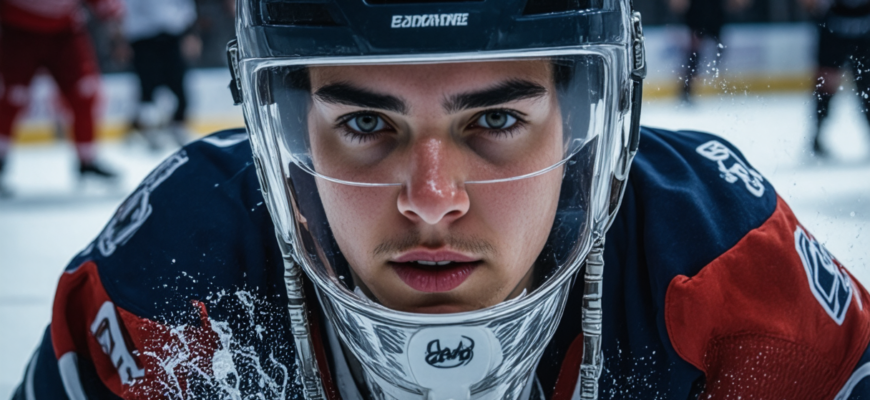
Hockey is an exciting, fast-paced sport that combines skill, agility, and teamwork. However, as thrilling as the game is, it also carries inherent risks, especially when it comes to head injuries. Wearing a helmet is essential for protecting players from potential impacts, but simply donning a helmet is not enough. Proper usage, selection, and maintenance are crucial to ensure maximum safety. This comprehensive guide provides amateur hockey players with all the necessary helmet safety tips to stay protected on the ice and enjoy the game responsibly.
- Why Helmet Safety Is Critical in Hockey
- Choosing the Right Helmet: Factors to Consider
- H3_1: Helmet Certification and Standards
- H3_2: Proper Fit is Key
- H3_3: Types of Helmets for Amateur Hockey
- Proper Helmet Fitting and Adjustment
- H3_1: Ensuring Correct Fit
- H3_2: Adjusting Straps and Padding
- H3_3: Routine Checks Before Every Game
- Maintenance and Care for Longevity and Safety
- H3_1: Regular Inspection for Damage
- H3_2: Cleaning and Storage
- H3_3: Replacing Helmets
- Additional Safety Tips for Amateur Hockey Players
- H3_1: Use of Mouthguards
- H3_2: Avoid Modifications
- H3_3: Educate on Proper Playing Techniques
- Understanding Impact and Injury Prevention
- H3_1: Common Types of Head Injuries in Hockey
- H3_2: Impact Forces and How Helmets Absorb Them
- H3_3: The Role of Proper Technique in Injury Prevention
- Legal and Organizational Requirements
- Summary of Key Helmet Safety Tips
Why Helmet Safety Is Critical in Hockey
Accidents in hockey, such as collisions with other players, flying pucks, or falls, can result in serious head injuries, including concussions, facial fractures, or traumatic brain injuries. According to the National Hockey League (NHL) and other sports safety organizations, helmets significantly reduce the risk of such injuries. Proper helmet use is not just a safety recommendation but often a legal requirement for participants, especially in organized leagues.
Statistics show that over 60% of hockey-related head injuries could be prevented with correct helmet use and safety practices. For amateur players, understanding the importance of helmet safety can make the difference between a safe game and a serious injury. Below are practical tips to ensure optimal protection and safety during gameplay.
Choosing the Right Helmet: Factors to Consider
H3_1: Helmet Certification and Standards
Before purchasing a helmet, verify that it meets recognized safety standards. In most regions, certified hockey helmets must adhere to standards set by organizations such as:
- CSA (Canadian Standards Association)
- HECC (Hockey Equipment Certification Council)
- CE (European Conformity)
Certified helmets have undergone rigorous testing to ensure they provide adequate protection against impacts. Always check for certification labels before making a selection.
H3_2: Proper Fit is Key
Regardless of brand or model, a helmet must fit snugly without being overly tight. An ill-fitting helmet can shift during play, reducing protection or causing discomfort. Follow these steps to find an optimal fit:
- Measure head circumference at the widest point, just above the eyebrows.
- Select helmet sizes based on manufacturer sizing charts.
- Try on the helmet, ensuring that it sits level on the head with the forehead protected but not pressing uncomfortably against the eyebrows.
- The helmet’s chin strap should be snug but not restrictive.
- Test stability by gently shaking the helmet — it shouldn’t move excessively.
H3_3: Types of Helmets for Amateur Hockey
While most amateur players use traditional inline or ice hockey helmets, some variations exist, including:
- Ice Hockey Helmets: Designed specifically for ice hockey with sturdy shell and impact-absorbing foam.
- Inline Hockey Helmets: Similar design but generally lighter, used in roller hockey.
- Hybrid Helmets: Combine features of both ice and inline helmets, offering versatile protection.
Choose a helmet suitable for your specific gameplay and environment.
Proper Helmet Fitting and Adjustment
H3_1: Ensuring Correct Fit
A correctly fitted helmet provides maximum protection. The main points to check include:
- The helmet covers the forehead, with the front edge just above the eyebrows.
- The helmet fits snugly around the head without causing pressure points.
- The interior padding makes full contact with the scalp.
- The chin strap secures the helmet firmly without discomfort.
H3_2: Adjusting Straps and Padding
Adjust straps so that when fastened, the helmet remains in place during vigorous movement but allows comfortable breathing and talking. Some helmets come with removable padding; replace or add padding as needed to improve fit and cushioning.
H3_3: Routine Checks Before Every Game
- Confirm that straps are tight and secure.
- Inspect the helmet for cracks, dents, or damage.
- Ensure padding is intact and clean.
Maintenance and Care for Longevity and Safety
H3_1: Regular Inspection for Damage
After each game or practice, examine the helmet closely for signs of wear and damage. Replace the helmet immediately if:
- The outer shell shows cracks or chips.
- The interior foam is compressed or deteriorated.
- Straps or fasteners are broken or worn out.
H3_2: Cleaning and Storage
Keep the helmet clean by wiping it with a damp cloth after each use. Avoid using harsh chemicals that can degrade padding or shell material. Store the helmet in a cool, dry place away from direct sunlight or extreme temperatures, which can weaken materials over time.
H3_3: Replacing Helmets
Most manufacturers recommend replacing helmets every 3–5 years, or sooner if they experience a significant impact. Over time, helmet materials can degrade, diminishing protective capabilities.
Additional Safety Tips for Amateur Hockey Players
H3_1: Use of Mouthguards
While primarily protecting teeth, mouthguards also help stabilize the helmet and reduce concussion risk during collisions. Custom-fit or boil-and-bite mouthguards are widely available and highly recommended.
H3_2: Avoid Modifications
Do not alter or modify helmets to improve fit or appearance. Such modifications can compromise safety features, making the helmet less effective.
H3_3: Educate on Proper Playing Techniques
Playing safely isn’t only about protective gear—technique matters. Learning proper checking, avoiding head-first contact, and respecting opponents reduce the likelihood of head injuries.
Understanding Impact and Injury Prevention
H3_1: Common Types of Head Injuries in Hockey
| Type of Injury | Description | Prevention Tips |
|---|---|---|
| Concussion | A temporary dysfunction of brain activity caused by a blow to the head. | Wearing a proper helmet, avoiding head-first hits, and recognizing early symptoms. |
| Facial Fractures | Bones in the face fractured due to impact. | Use of full-face shields or cages in helmets. |
| Traumatic Brain Injury (TBI) | Serious injury affecting brain tissue; can have long-term effects. | Adhering to safety protocols, proper equipment use, and sport-specific safety techniques. |
H3_2: Impact Forces and How Helmets Absorb Them
Helmets work by absorbing and dispersing impact energy. The key components include:
- Outer Shell: Hard material that disperses impact force.
- Impact-Absorbing Foam: Material inside the helmet that compresses upon impact, reducing force transfer to the skull.
Effective helmet design minimizes the transferred energy to the brain, reducing injury risk.
H3_3: The Role of Proper Technique in Injury Prevention
- Avoid head-on collisions when possible.
- Stay aware of surroundings to anticipate impacts.
- Practice safe checking techniques with proper body position.
- Communicate with teammates to prevent accidental hits.
Legal and Organizational Requirements
Many amateur leagues enforce rules mandating helmet use. Failing to comply can result in penalties or disqualification. Ensure your helmet meets local safety standards and league regulations to participate legally and safely.
Summary of Key Helmet Safety Tips
- Always choose a helmet certified to recognized safety standards.
- Ensure a proper fit before every game or practice.
- Regularly inspect and maintain your helmet’s condition.
- Replace helmets after significant impacts or after 3–5 years of use.
- Use additional protective gear such as mouthguards and face cages.
- Adopt safe playing techniques and awareness to prevent head injuries.
Head safety in amateur hockey is paramount. Proper helmet selection, correct fitting, ongoing maintenance, and adherence to safety practices significantly reduce the risk of head injuries on the ice. Players who prioritize their protective gear and techniques not only maintain their well-being but also contribute to a safer, more enjoyable game for everyone involved. Remember, protecting your head is an investment in your health and your passion for hockey.
Похожие записи:
 Mastering Safety on Ice: How to Choose and Care for Your Hockey Helmet
  The Essential Role of Hip Pads in Amateur Hockey Safety
  How to Wear Your Helmet and Pads Safely: A Complete Guide for Amateur Hockey Players
  Essential Ice Hockey Equipment Maintenance Tips: Keep Your Gear in Optimal Condition
  Mastering the Art of Following a Hockey Game’s Flow: Essential Tips for Amateur Players to Improve Awareness
  Essential Equipment for Outdoor Amateur Hockey Games: A Complete Guide
  Must-Have Gloves for Amateur Hockey Enthusiasts: Essential Protection and Performance
  Mastering the Ice: Essential Hockey Etiquette and Sportsmanship for Amateur Players
  Mastering the Art of Hockey Pads: How to Choose the Perfect Gear for Amateur Players
  The Importance of Proper Neck Guard Usage in Amateur Hockey
  Mastering the Art of Effective Ice Stops: Essential Techniques for Amateur Hockey Players
  Conquer Your First Ice Hockey Fears: Essential Tips for Beginners
  Choosing a Suitable Hockey Bag for Amateur Players: The Ultimate Guide
  Mastering Passing and Receiving the Puck: Essential Skills for Amateur Hockey Players
  The Ultimate Guide to Maintaining Your Hockey Equipment: Stay Safe and Improve Performance
  How to Stay Motivated as a Beginner Hockey Player: Tips for Amateur Enthusiasts