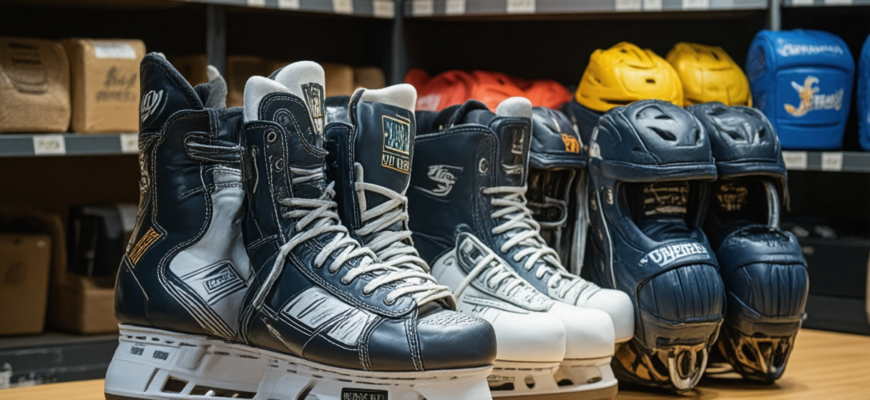
Whether a beginner or an experienced amateur player, upgrading hockey equipment is essential for improving performance, ensuring safety, and enjoying the game to the fullest. However, the process of selecting and upgrading gear must be approached with caution to avoid injuries, unnecessary expenses, and equipment that doesn’t meet safety standards. This comprehensive guide offers valuable insights and practical tips for amateur hockey players seeking to upgrade their equipment safely and effectively.
- Understanding the Importance of Safe Equipment Upgrades
- Assessing Your Current Equipment and Needs
- 1. Conduct a Thorough Inspection
- 2. Define Your Priorities
- Core Principles for Safe Equipment Upgrades
- 1. Prioritize Safety Standards
- 2. Proper Fit is Critical
- 3. Quality Over Cost
- 4. Compatibility and Integration
- Step-by-Step Guide to Upgrading Hockey Equipment Safely
- Step 1: Setting a Budget and Planning
- Step 2: Research & Select Certified Equipment
- Step 3: Trying on Equipment
- Step 4: Consult Professionals or Coaches
- Step 5: Proper Use and Break-In
- Key Equipment Upgrades and Safety Tips
- 1. Helmets
- 2. Shoulder and Elbow Pads
- 3. Gloves
- 4. Shin Guards and Skates
- 5. Sticks and Pucks
- Common Mistakes to Avoid When Upgrading Equipment
- Maintaining Your Hockey Equipment for Longevity and Safety
- Concluding Recommendations
- Summary Table: Key To Safe Equipment Upgrades
- Final Thoughts
Understanding the Importance of Safe Equipment Upgrades
Upgrading hockey gear is more than just a matter of choosing newer or more expensive items. Properly selected and well-fitted equipment enhances comfort, boosts confidence, and provides crucial protection during intense gameplay. Conversely, poorly fitted or substandard equipment can compromise safety, increase the risk of injury, and hinder performance.
For amateurs, navigating between cost, safety, and performance requires knowledge and careful approach. This guide aims to shed light on crucial aspects of safe upgrading, ensuring that each change contributes positively to the player’s experience on the ice.
Assessing Your Current Equipment and Needs
1. Conduct a Thorough Inspection
- Check for wear and tear, especially on protective gear like helmets, pads, and gloves.
- Evaluate the fit— gear that is too tight may limit movement, while loose gear can reduce protection.
- Identify outdated equipment that no longer meets safety standards or has lost its effectiveness.
2. Define Your Priorities
- Are you focusing on improving safety, comfort, performance, or a combination of these factors?
- Determine your budget constraints to prioritize essential upgrades.
- Consider upcoming playing frequency and level of competition to guide upgrade choices.
Core Principles for Safe Equipment Upgrades
1. Prioritize Safety Standards
Always choose equipment that complies with recognized safety standards and certifications. Look for items marked with certifications such as HECC (Hockey Equipment Certification Council) or CSA (Canadian Standards Association). Non-compliant gear may look similar but often provides inadequate protection.
2. Proper Fit is Critical
Ill-fitting equipment not only diminishes safety but also affects performance and comfort. Ensure that every piece fits snugly without restricting movement. For example, helmets should fit securely without wobbling, and pads should cover the intended areas fully.
3. Quality Over Cost
While budget constraints are common, investing in higher-quality gear often offers better safety and durability. Cheaper equipment may wear out faster and provide less protection, leading to higher long-term costs.
4. Compatibility and Integration
Make sure new equipment pieces are compatible with existing gear to prevent gaps in protection or performance issues. For instance, upgrading a helmet should be complemented by suitable face shields or visors.
Step-by-Step Guide to Upgrading Hockey Equipment Safely
Step 1: Setting a Budget and Planning
Begin by outlining a realistic budget for your upgrade—consider core items like helmets, pads, skates, and sticks. Prioritize safety-critical items such as helmets and protective gear first, then consider accessories or performance-enhancing equipment.
Step 2: Research & Select Certified Equipment
Use reputable brands and check for certification labels. Research reviews and seek advice from experienced players or coaches. Visiting stores physically can help assess fit and comfort firsthand.
Step 3: Trying on Equipment
Never purchase hockey gear solely online unless the seller offers detailed return policies. Trying on gear ensures proper fit and comfort. For helmets, conduct a simple fit test: place the helmet on your head, tighten straps, and move your head in various directions. The helmet should move minimally without causing discomfort.
Step 4: Consult Professionals or Coaches
If unsure, seek advice from trained personnel. Many hockey shops have staff trained to recommend appropriate sizes and models based on your playing style and body type.
Step 5: Proper Use and Break-In
New equipment may require a break-in period, especially for skates and pads. Follow manufacturer instructions for care and adjustments to optimize fit and lifespan.
Key Equipment Upgrades and Safety Tips
1. Helmets
The helmet is the most critical piece of safety equipment. An improper helmet can result in severe head injuries. When upgrading:
- Choose a helmet that fits snugly but comfortably around the head.
- Ensure it sits level on the head, covering the forehead adequately.
- Replace helmets every 3-5 years or after significant impacts.
2. Shoulder and Elbow Pads
Pads should protect vital areas without restricting mobility. Look for:
- Adjustable straps for a secure fit.
- Padding that covers the shoulders, chest, and elbows adequately.
- Lightweight yet durable materials.
3. Gloves
Proper hockey gloves offer hand protection while maintaining dexterity. When upgrading:
- Ensure they fit tightly but do not restrict movement.
- Look for reinforcement in key areas like the palms and fingers.
- Replace worn-out gloves to prevent injuries and improve grip.
4. Shin Guards and Skates
Shin guards must provide ample coverage with a comfortable fit. For skates:
- Choose the right size—long enough to protect the ankle but not so tight as to restrict circulation.
- Ensure blades are sharp and properly aligned for safe skating.
- Regularly inspect for cracks or damage and replace as needed.
5. Sticks and Pucks
While equipment like sticks and pucks are secondary to safety, upgrading to lighter, more durable models can improve handling and shooting power. Always choose the right length and curve to match your playing style.
Common Mistakes to Avoid When Upgrading Equipment
- Choosing gear based solely on price: Prioritize safety and fit over discounts.
- Ignoring certification labels: Non-certified gear can compromise safety.
- Overlooking proper fitting: Ill-fitting gear can cause injuries or discomfort.
- Not replacing old or damaged gear: Worn gear loses protective capabilities over time.
- Ignoring professional advice: Seek guidance when uncertain about fitting or selection.
Maintaining Your Hockey Equipment for Longevity and Safety
Proper maintenance extends the lifespan of your gear and preserves safety standards. General tips include:
- Regularly clean pads, gloves, and helmets with suitable disinfectants.
- Dry equipment thoroughly after use to prevent mold and odor.
- Inspect gear after each session for damage or wear.
- Replace protective gear periodically, especially after impacts or recommended replacement intervals.
Concluding Recommendations
Upgrading amateur hockey equipment should be a thoughtful process centered around safety, fit, and durability. Thorough research, professional guidance, and adherence to safety standards are crucial elements. Prioritize protecting your health and enhancing your game experience by making informed decisions when selecting new gear. Remember, safe and well-fitted equipment not only shields against injuries but also boosts confidence and performance on the ice.
Summary Table: Key To Safe Equipment Upgrades
| Aspect | Advice |
|---|---|
| Safety Standards | Always choose certified and compliant equipment |
| Proper Fit | Ensure gear fits snugly and comfortably; try before buying |
| Material Quality | Invest in durable, lightweight materials for safety and comfort |
| Expert Consultation | Seek advice from experienced players or professionals |
| Regular Inspection | Check gear after each use and replace when damaged or expired |
Final Thoughts
Upgrading amateur hockey equipment is a vital step towards safer gameplay and improved performance. It requires patience, research, and attention to detail. By following the guidelines outlined in this comprehensive guide, amateur players can ensure that their equipment upgrades are both safe and effective, allowing them to enjoy hockey with greater confidence and security for many seasons to come.
Похожие записи:
 Ultimate Guide to Essential Protective Equipment for Female Amateur Hockey Players
  How to Wear Your Helmet and Pads Safely: A Complete Guide for Amateur Hockey Players
  Essential Ice Hockey Equipment Maintenance Tips: Keep Your Gear in Optimal Condition
  The Ultimate Guide to Maintaining Your Hockey Equipment: Stay Safe and Improve Performance
  How to Avoid Common Equipment Fit Mistakes in Amateur Hockey: A Complete Guide
  The Ultimate Guide to Disinfecting and Cleaning Hockey Equipment: Protect Your Gear and Stay Safe on the Ice
  Essential Helmet Safety Tips for Amateur Hockey Players: Protect Yourself on the Ice
  Essential Equipment for Outdoor Amateur Hockey Games: A Complete Guide
  Understanding the Different Types of Hockey Helmets: A Comprehensive Guide for Amateur Players
  Ultimate Buying Guide for Beginners: How to Choose the Right Hockey Shoulder Pads
  Ultimate Guide to Choosing the Most Comfortable Hockey Socks and Navigating League Regulations
  Ultimate Guide: How to Properly Fit and Adjust Your Shoulder Pads for Hockey Beginners
  Choosing a Suitable Hockey Bag for Amateur Players: The Ultimate Guide
  Mastering Safety on Ice: How to Choose and Care for Your Hockey Helmet
  Top Features to Look for in Amateur Hockey Masks: A Complete Guide for Enthusiasts
  Ultimate Guide to Selecting the Right Hockey Pants for Beginners