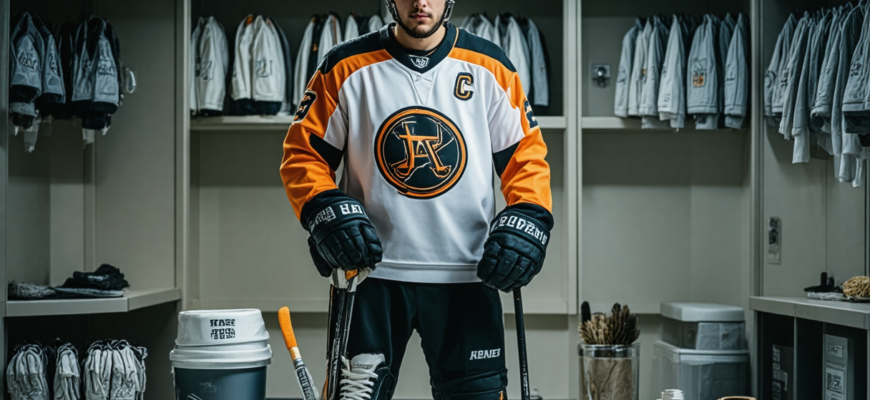
Ice hockey is a highly dynamic and physically demanding sport that requires players to be well-equipped and prepared on the ice. While investing in quality gear is a crucial step, maintaining that equipment properly is equally important to ensure safety, enhance performance, and prolong the lifespan of your items. This comprehensive guide delves into the fundamental maintenance tips for ice hockey equipment, providing players—especially amateurs—a detailed understanding of how to care for their gear effectively.
- Why Proper Maintenance of Ice Hockey Equipment Matters
- Overview of Essential Ice Hockey Equipment
- Basic Maintenance Tips for Ice Hockey Equipment
- 1. Maintaining Protective Gear
- a. Regular Cleaning
- b. Drying and Storage
- c. Inspection and Repair
- 2. Skates Maintenance
- a. Blade Care
- b. Boot Care
- 3. Stick Maintenance
- a. Regular Inspection
- b. Cleaning
- c. Tape Replacement
- 4. Accessories and Miscellaneous Maintenance
- a. Tape and Stick Handling
- b. Cleaning and Disinfecting Other Accessories
- Effective Storage Solutions for Hockey Equipment
- FAQs on Ice Hockey Equipment Maintenance
- Q1. How often should I replace my hockey helmet?
- Q2. What’s the best way to prevent skate blades from rusting?
- Q3. How do I know if my protective pads need replacing?
- Q4. Can I wash my hockey gear in a washing machine?
- Useful Tips and Additional Advice for Amateur Players
- Additional Resources
Why Proper Maintenance of Ice Hockey Equipment Matters
Proper maintenance not only ensures safety during gameplay but also preserves the durability and functionality of the gear. Well-maintained equipment reduces the risk of injuries caused by worn-out or damaged items and can improve overall comfort and performance. Additionally, regularly caring for equipment saves money over time by preventing the need for frequent replacements.
Overview of Essential Ice Hockey Equipment
The main categories of ice hockey gear include protective gear, skates, sticks, and accessories. Below is a brief overview:
- Protective Gear: helmets, shoulder pads, elbow pads, gloves, pants (breezers), shin guards, neck guards, mouthguards
- Skates: ice hockey skates with blades and boot shell
- Sticks: hockey sticks made of wood, composite, or hybrid materials
- Accessories: jock/jill cups, tape, visor or cage for helmet, skate guards, and maintenance tools
Basic Maintenance Tips for Ice Hockey Equipment
1. Maintaining Protective Gear
Protective gear is subject to frequent impacts, sweat, and dirt. Proper cleaning and storage extend its usability and hygiene.
a. Regular Cleaning
- Wipe down pads, gloves, and helmets after each use with a damp cloth to remove sweat and dirt.
- Use antibacterial sprays or disinfectants specifically designed for sports gear to reduce odor-causing bacteria.
- Wash removable padding (if permissible) according to manufacturer instructions.
b. Drying and Storage
- Always air dry equipment thoroughly before storage to prevent mold and bacteria growth.
- Hang pads and gloves in well-ventilated areas, avoiding direct sunlight which can degrade materials.
- Store gear in a breathable bag or container to facilitate airflow and prevent moisture buildup.
c. Inspection and Repair
- Regularly check for tears, worn straps, and damaged buckles.
- Replace worn straps, broken buckles, or damaged padding promptly.
- For helmets, replace the inner foam lining every two years or after a significant impact.
2. Skates Maintenance
Skates are one of the most used pieces of equipment and require regular care to maintain performance and safety.
a. Blade Care
| Maintenance Item | Frequency | Description |
|---|---|---|
| Blade Sharpening | Every 10-15 hours of skating or as needed | Ensures proper grip and maneuverability on the ice. Use a professional sharpener for best results. |
| Blade Cleaning | After each use | Wipe blades with a dry or slightly damp cloth to remove snow, ice, and moisture. |
| Applying Blade Guard or Tape | Before storage/transport | Protects blades from rust and damage. Replace tape when worn out. |
b. Boot Care
- Use a boot dryer or air circulation to remove moisture from inside boots after each session.
- Occasionally clean the outside with a damp cloth and mild detergent to remove dirt and grime.
- Apply leather conditioner or boot spray to maintain flexibility and water resistance.
3. Stick Maintenance
Sticks require minimal but specific care to maintain performance and longevity.
a. Regular Inspection
- Look for cracks, splinters, or splintering areas, especially in wooden sticks.
- Replace sticks if structural integrity is compromised.
b. Cleaning
- Wipe down with a damp cloth after each use to remove dirt and tape residues.
- Avoid excessive exposure to water to prevent warping or deterioration.
c. Tape Replacement
- Re-tape blades regularly to ensure proper grip and control.
- Use high-quality hockey tape designed for blades.
4. Accessories and Miscellaneous Maintenance
a. Tape and Stick Handling
- Replace or re-wrap tape on sticks for optimal grip and appearance.
- Use grip-enhancing tapes or sprays if necessary.
b. Cleaning and Disinfecting Other Accessories
- Disinfect visors or cages on helmets regularly to prevent bacterial buildup.
- Clean skate guards and other accessories with mild soap and water periodically.
Effective Storage Solutions for Hockey Equipment
Proper storage significantly extends equipment lifespan and maintains hygiene. Here are some effective storage strategies:
- Use Ventilated Bags: Breathable equipment bags promote airflow.
- Designate a Dry Space: Store equipment in a well-ventilated area away from direct sunlight and heat sources.
- Organize Your Gear: Use hooks, shelves, or specific compartments to prevent clutter and facilitate quick access.
- Periodical Deep Cleaning: Set aside time for thorough cleaning of all gear to remove accumulated dirt, sweat, and bacteria.
FAQs on Ice Hockey Equipment Maintenance
Q1. How often should I replace my hockey helmet?
It is recommended to replace a hockey helmet every 2-3 years or immediately after a significant impact, even if no visible damage exists. The interior foam and structural integrity degrade over time, reducing protection.
Q2. What’s the best way to prevent skate blades from rusting?
Keep blades dry after each use by wiping them thoroughly. Applying a thin layer of skate guard or protective oil helps prevent rust. Regular sharpening also reduces the likelihood of corrosion.
Q3. How do I know if my protective pads need replacing?
Inspect pads for tears, flattening, or loss of padding. If pads do not provide adequate protection or are repeatedly damaged despite repairs, replacing them is essential for safety.
Q4. Can I wash my hockey gear in a washing machine?
Generally, it’s not recommended unless the manufacturer explicitly states that gear is machine washable. Instead, hand wash with mild soap and disinfectant solutions to preserve materials and prevent damage.
Useful Tips and Additional Advice for Amateur Players
- Rotate Your Gear: Use different sets of protective gear to reduce wear and allow each item adequate drying and airing time.
- Invest in Quality Maintenance Tools: Use proper sharpeners, cleaning brushes, and disinfectants to perform maintenance effectively.
- Note the Age of Your Equipment: Keep track of replaceable items’ age and usage to schedule timely replacements.
- Stay Consistent with Maintenance: Regular care routines are more effective and easier to maintain than sporadic deep cleaning.
Maintaining ice hockey equipment is a vital aspect of becoming a successful and safe player, regardless of skill level. Proper cleaning, inspecting, repairing, and storing gear can significantly impact safety, comfort, and performance on the ice. By following the outlined tips, amateur players can maximize the lifespan of their equipment, enjoy optimal protection, and ensure that their game remains both enjoyable and safe. Consistent attention to gear maintenance not only fosters good habits but also demonstrates a serious attitude toward the sport and personal safety.
Additional Resources
- Comprehensive Guide to Hockey Equipment Buying
- Top Maintenance Tools for Hockey Players
- Safety Tips for Amateur Hockey Enthusiasts
Похожие записи:
 Ultimate Guide: How to Properly Clean and Maintain Your Hockey Gear
  Essential Helmet Safety Tips for Amateur Hockey Players: Protect Yourself on the Ice
  Mastering the Art of Hockey Pads: How to Choose the Perfect Gear for Amateur Players
  Must-Have Gloves for Amateur Hockey Enthusiasts: Essential Protection and Performance
  Conquer Your First Ice Hockey Fears: Essential Tips for Beginners
  The Importance of Proper Neck Guard Usage in Amateur Hockey
  Mastering Safety on Ice: How to Choose and Care for Your Hockey Helmet
  Choosing a Suitable Hockey Bag for Amateur Players: The Ultimate Guide
  Ultimate Guide: How to Properly Fit and Adjust Your Shoulder Pads for Hockey Beginners
  Ultimate Guide to Selecting the Right Hockey Pants for Beginners
  How to Wear Your Helmet and Pads Safely: A Complete Guide for Amateur Hockey Players
  Mastering the Art of Following a Hockey Game’s Flow: Essential Tips for Amateur Players to Improve Awareness
  Mastering Hockey Stick Handling: Essential Techniques for Beginners
  How to Stay Motivated as a Beginner Hockey Player: Tips for Amateur Enthusiasts
  Mastering the Art of Effective Ice Stops: Essential Techniques for Amateur Hockey Players
  Choosing the Right Hockey Stick for Beginners: A Complete Guide for Amateur Players