
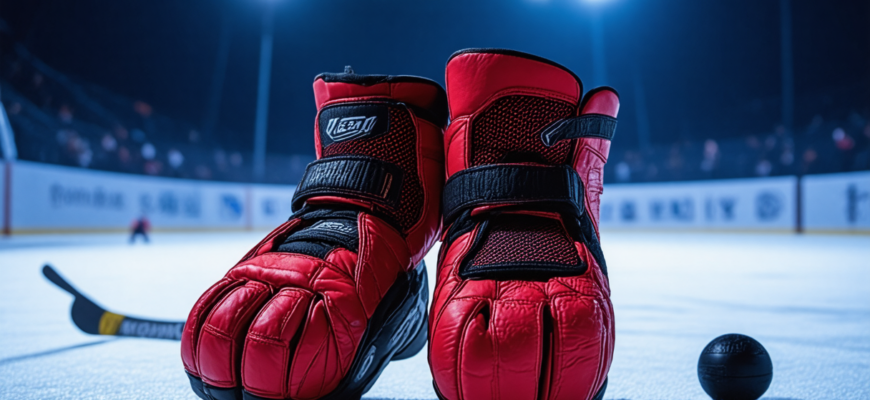
Hockey is a demanding sport that combines speed, agility, and physical contact. For amateur players, selecting the right equipment is crucial not only for enhancing performance but also for ensuring safety on the ice. Among the vital pieces of gear, hockey gloves stand out as a fundamental component that provides protection, dexterity, and confidence during gameplay. This comprehensive guide delves into the key aspects of hockey gloves, exploring different types, features, materials, and tips to help amateur enthusiasts choose the best gloves tailored to their needs.
- Understanding the Importance of Hockey Gloves
- Types of Hockey Gloves for Amateur Players
- 1. Recreational Hockey Gloves
- 2. Competitive or Intermediate Gloves
- 3. Professional-Grade Gloves
- Key Features to Consider When Choosing Hockey Gloves
- 1. Fit and Size
- 2. Padding and Protection
- 3. Material and Durability
- 4. Mobility and Flexibility
- 5. Ventilation and Comfort
- Materials Used in Hockey Gloves
- Step-by-Step Guide to Choosing the Perfect Hockey Gloves
- Top Brands for Amateur Hockey Gloves
- Proper Care and Maintenance of Hockey Gloves
- Choosing the Right Gloves for a Better Hockey Experience
- Additional Tips for Amateur Hockey Enthusiasts
Understanding the Importance of Hockey Gloves
Hockey gloves serve multiple purposes, ranging from protecting players from pucks, sticks, and other impacts to improving grip and handling of the stick. Proper gloves enable players to maintain their agility, improve shot accuracy, and stay comfortable during prolonged periods on the ice. Conversely, ill-fitting or inadequate gloves can increase the risk of injuries and hinder performance.
Types of Hockey Gloves for Amateur Players
Hockey gloves come in various styles and designs, each tailored for specific playing levels and preferences. Understanding these types will streamline the selection process for amateur enthusiasts seeking optimal protection and comfort.
1. Recreational Hockey Gloves
Designed primarily for casual or beginner players, recreational gloves offer basic protection and comfortable fit at an affordable price. They often feature simpler construction, with less padding and fewer advanced materials, making them suitable for league play or pickup games.
2. Competitive or Intermediate Gloves
These gloves strike a balance between protection, flexibility, and durability. They incorporate higher-quality materials and more advanced padding, suitable for amateur players who play regularly and aim for better performance.
3. Professional-Grade Gloves
While not essential for amateurs, some enthusiasts choose high-end gloves designed for advanced play. These gloves often feature innovative materials, enhanced mobility, and superior protection. They are ideal for players looking to improve their game while prioritizing safety and comfort.
Key Features to Consider When Choosing Hockey Gloves
Several features influence the functionality and suitability of hockey gloves. Paying attention to these aspects ensures that amateurs select gear that aligns with their skill level, playing frequency, and style.
1. Fit and Size
The correct glove size is crucial for dexterity and comfort. Gloves must fit snugly without restricting movement or causing pinching. Measuring hand dimensions and trying on multiple sizes can help determine the optimal fit.
2. Padding and Protection
Padding absorbs impacts from pucks and sticks, reducing the risk of injuries such as fractures or bruises. The level of padding varies across models; beginner gloves tend to have less padding, while more advanced options incorporate enhanced protection for strategic areas like the fingers, knuckles, and wrists.
3. Material and Durability
The outer shell materials—such as nylon, polyester, or synthetic leather—affect durability and weather resistance. Reinforced areas around the fingers and palms extend the lifespan of gloves, especially for frequent players.
4. Mobility and Flexibility
Optimal gloves should allow for a full range of motion, particularly in the fingers and wrists. Features like articulated finger caps and flexible padding enable better stickhandling and shooting.
5. Ventilation and Comfort
Poor ventilation can cause excessive sweating and discomfort. Look for gloves with mesh panels or breathable materials to improve airflow and keep hands dry during play.
Materials Used in Hockey Gloves
The composition of hockey gloves affects their protective qualities, weight, and overall performance. Key materials include:
| Material | Characteristics | Typical Usage |
|---|---|---|
| Synthetic Leather | Durable, relatively lightweight, and easy to maintain | High-contact areas, palms, and outer shell |
| Polyester/Nylon | Breathable and affordable, but less resistant to abrasion | Inner lining, mesh panels |
| Foam Padding | Shock absorption and impact protection | Padding layers around fingers, knuckles, wrists |
| Gel Inserts | Enhanced impact absorption, flexible | Knuckles and high-impact zones |
Step-by-Step Guide to Choosing the Perfect Hockey Gloves
- Determine Your Playing Level and Frequency: Casual players may opt for basic models, whereas regular enthusiasts benefit from more protective and durable gloves.
- Measure Your Hands Accurately: Measure hand circumference around the knuckles and hand length from wrist to tip of middle finger to find the right size.
- Decide on the Level of Protection Needed: Consider your style of play; aggressive forechecks and physical contact require more padding.
- Evaluate Fit and Comfort: Try on multiple sizes and shapes, ensuring no pinching or looseness.
- Check Material and Ventilation Features: Choose gloves with breathable fabrics and durable outer shells suitable for your climate and usage.
- Read Reviews and Expert Recommendations: Online reviews and endorsements can provide insights into real-world performance and longevity.
- Set a Budget: Balance cost with features; quality gloves are an investment in safety and performance.
Top Brands for Amateur Hockey Gloves
Several reputable brands manufacture high-quality hockey gloves suitable for amateur enthusiasts, balancing affordability and performance. Some of the leading brands include:
- Bauer – Known for innovative designs and durable materials, Bauer offers a wide range of gloves suitable for amateurs and intermediate players.
- CCM – Offers gloves with excellent protection, mobility, and comfort, favored by many recreational players.
- Warrior – Recognized for lightweight and flexible gloves, ideal for those prioritizing dexterity.
- Easton – Provides affordable options with reliable protection and comfort for beginners.
Proper Care and Maintenance of Hockey Gloves
Longevity and performance depend on proper maintenance. Here are essential tips:
- After every game, clean gloves with a damp cloth to remove sweat and debris.
- Allow gloves to air dry thoroughly to prevent mold and unpleasant odors.
- Occasionally use disinfectant sprays designed for sports gear to eliminate bacteria.
- Store gloves in a well-ventilated area, avoiding direct sunlight or heat sources.
- Replace gloves when padding or outer materials show excessive wear or loss of protective qualities.
Choosing the Right Gloves for a Better Hockey Experience
In amateur hockey, gloves are much more than just protective gear—they are a critical element that influences safety, comfort, and overall performance on the ice. By understanding the different types, features, materials, and brands available, enthusiasts can make informed decisions tailored to their skill level, playing style, and budget. Investing in the right pair of hockey gloves not only enhances the enjoyment of the game but also significantly reduces the risk of injuries, ensuring many more seasons of thrilling hockey action.
Additional Tips for Amateur Hockey Enthusiasts
- Try on multiple gloves before purchasing to find the best fit.
- Prioritize comfort and mobility over flashy aesthetics.
- Regularly inspect gloves for signs of wear and tear, replacing them when necessary.
- Combine gloves with other protective equipment like helmets and pads for comprehensive safety.
- Join local hockey communities or forums to get practical advice and reviews from fellow amateurs.
Remember, the right equipment is an investment in one’s health and the overall enjoyment of hockey. Choosing the appropriate gloves is a step toward becoming a safer and more confident amateur player on the ice.
Похожие записи:
 Essential Helmet Safety Tips for Amateur Hockey Players: Protect Yourself on the Ice
  The Importance of Proper Neck Guard Usage in Amateur Hockey
  Essential Ice Hockey Equipment Maintenance Tips: Keep Your Gear in Optimal Condition
  Mastering the Art of Hockey Pads: How to Choose the Perfect Gear for Amateur Players
  Choosing a Suitable Hockey Bag for Amateur Players: The Ultimate Guide
  Ultimate Guide to Selecting the Right Hockey Pants for Beginners
  Mastering Safety on Ice: How to Choose and Care for Your Hockey Helmet
  Ultimate Guide: How to Properly Fit and Adjust Your Shoulder Pads for Hockey Beginners
  How to Wear Your Helmet and Pads Safely: A Complete Guide for Amateur Hockey Players
  Choosing the Right Hockey Stick for Beginners: A Complete Guide for Amateur Players
  How to Stay Motivated as a Beginner Hockey Player: Tips for Amateur Enthusiasts
  Mastering Passing and Receiving the Puck: Essential Skills for Amateur Hockey Players
  Mastering the Art of Effective Ice Stops: Essential Techniques for Amateur Hockey Players
  Understanding Ice Rink Markings and Zones: A Guide for Amateur Hockey Enthusiasts
  Ultimate Guide: How to Fit Your Hockey Skates Correctly for Peak Performance
  The Crucial Role of Fitness and Strength in Hockey Performance