
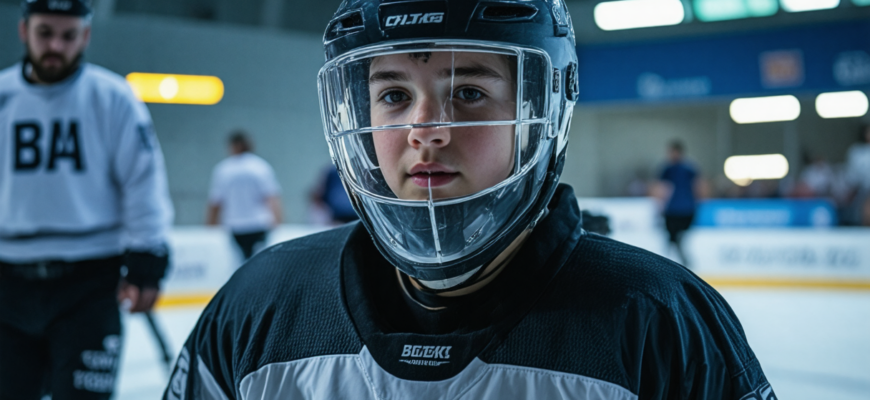
Hockey is a fast-paced, physically demanding sport that demands not only skill and agility but also a high level of safety awareness. For amateur players, especially those new to the game, understanding the critical role of protective gear can significantly reduce the risk of injury. Among the essential protective elements is the neck guard — a vital piece of equipment designed to shield players from potentially devastating injuries. This article explores the importance of proper neck guard usage, the safety benefits it provides, correct fitting techniques, and best practices to ensure maximum protection on the ice.
- The Role of the Neck Guard in Hockey Safety
- Understanding the Risks in Hockey
- What Does a Neck Guard Protect Against?
- Types of Neck Guards and Their Features
- Standard vs. Advanced Neck Guards
- Standard Neck Guards
- Advanced Neck Guards
- Importance of Proper Fit and Placement
- How to Determine the Correct Size
- Correct Positioning
- Best Practices for Using a Neck Guard
- Regular Inspection and Maintenance
- Integration with Other Safety Equipment
- Common Mistakes and How to Avoid Them
- Skipping the Neck Guard
- Using an Incorrectly Fitted Neck Guard
- Neglecting Regular Checks
- Legal and League Requirements
- Summary Table: Key Takeaways
- Final Thoughts
The Role of the Neck Guard in Hockey Safety
Understanding the Risks in Hockey
Hockey involves rapid movements, physical contact, and high-speed collisions, all of which can pose risks to the neck and throat area. Common injuries include cuts, lacerations, and in more severe cases, throat injuries resulting from pucks, sticks, or collisions with other players or the ice surface. Protecting this sensitive area is crucial because injuries here can have serious, even life-threatening consequences.
What Does a Neck Guard Protect Against?
| Protection Aspects | Description |
|---|---|
| Sharp Objects | Prevents cuts from blades, edges of sticks, or broken equipment. |
| Puck Impact | Cushions impacts from high-speed pucks, reducing laceration risks. |
| Collisions | Absorbs some shock from collisions with other players, reducing whiplash or cervical injuries. |
| Throat Injuries | Provides a barrier against direct blows to the neck and throat areas. |
Types of Neck Guards and Their Features
Standard vs. Advanced Neck Guards
Modern neck guards come in various designs and materials, tailored to different levels of protection and comfort. Understanding the differences helps amateur players choose the best option for their needs.
Standard Neck Guards
- Made primarily from lightweight foam or soft padding.
- Designed to prevent cuts and minor impacts.
- Often compliant with league safety regulations.
Advanced Neck Guards
- Incorporate harder, impact-absorbent materials like polyethylene or carbon fiber.
- Offer enhanced protection against high-impact collisions.
- May include features like adjustable fit, moisture-wicking fabrics, and ergonomic design.
Importance of Proper Fit and Placement
How to Determine the Correct Size
A neck guard that fits properly ensures maximum protection and comfort. An ill-fitting guard can slip out of place or fail to protect critical areas effectively.
- Measure the circumference of your neck at the base, just above the collarbone.
- Consult the manufacturer’s size chart for selecting the appropriate size.
- Try the neck guard on, ensuring a snug, but comfortable fit without restricting movement or breathing.
Correct Positioning
Proper placement involves positioning the guard so that it covers the front and sides of the neck adequately. The guard should sit flush against the skin or clothing without gaps. In many cases, a slight extension below the jawline provides additional protection from puck or stick impacts. Ensuring a seamless fit also improves comfort and prevents distractions during gameplay.
Best Practices for Using a Neck Guard
Regular Inspection and Maintenance
- Check for signs of wear and tear before each game or practice.
- Replace the neck guard if padding becomes compressed or damaged.
- Wash according to manufacturer instructions to maintain hygiene and elasticity.
Integration with Other Safety Equipment
Wearing a neck guard is most effective when combined with other protective gear such as a helmet, shoulder pads, and mouth guard. Ensure that each piece fits properly and does not interfere with the others to maintain safety and comfort.
Common Mistakes and How to Avoid Them
Skipping the Neck Guard
Some amateur players underestimate the importance of neck protection, especially in non-competitive settings. This negligence can lead to preventable injuries, emphasizing the need for mandatory gear use.
Using an Incorrectly Fitted Neck Guard
Choosing a size that is too loose or too tight can compromise protection. Always verify sizing, and adjust straps or fasteners for a secure fit.
Neglecting Regular Checks
Regularly inspect your neck guard for damage to ensure continuous protection. Over time, material degradation can reduce effectiveness.
Legal and League Requirements
Many amateur leagues and governing bodies have regulations mandating the use of neck guards. Playing without one can lead to penalties or disqualification. It’s essential to familiarize oneself with league-specific safety codes and adhere strictly to them for personal safety and to promote a culture of safety within the sport.
Proper usage of a neck guard is a crucial component of safety in amateur hockey. It not only prevents injuries caused by pucks, sticks, and collisions but also provides peace of mind, allowing players to focus on their game. Ensuring correct fit, regular maintenance, and adherence to safety regulations can significantly reduce the risk of serious harm. As with all protective gear, awareness and responsible usage are key to enjoying hockey safely and confidently.
Summary Table: Key Takeaways
| Aspect | Core Point |
|---|---|
| Protection Scope | Prevents cuts, impacts, and serious injuries to the neck and throat. |
| Gear Types | Choose between standard and advanced models based on needs and budget. |
| Proper Fit | Ensure snug, comfortable fitting for maximum effectiveness. |
| Maintenance | Regular inspection and cleaning prolong gear lifespan and safety level. |
| Legal Compliance | Adhere to league rules to avoid penalties and ensure safety. |
Final Thoughts
Victory in amateur hockey is not only about skill and teamwork but also about prioritizing safety. The neck guard plays a vital role in protecting an otherwise vulnerable area, reducing the severity of injuries, and fostering a safer playing environment for everyone. By understanding the importance of proper usage and ensuring correct fit and maintenance, players can enjoy the game while minimizing risks associated with physical injuries.
Похожие записи:
 How to Wear Your Helmet and Pads Safely: A Complete Guide for Amateur Hockey Players
  Essential Helmet Safety Tips for Amateur Hockey Players: Protect Yourself on the Ice
  Mastering the Art of Hockey Pads: How to Choose the Perfect Gear for Amateur Players
  Must-Have Gloves for Amateur Hockey Enthusiasts: Essential Protection and Performance
  Essential Ice Hockey Equipment Maintenance Tips: Keep Your Gear in Optimal Condition
  Ultimate Guide: How to Properly Fit and Adjust Your Shoulder Pads for Hockey Beginners
  Mastering Safety on Ice: How to Choose and Care for Your Hockey Helmet
  Choosing a Suitable Hockey Bag for Amateur Players: The Ultimate Guide
  Ultimate Guide to Selecting the Right Hockey Pants for Beginners
  Choosing the Right Hockey Stick for Beginners: A Complete Guide for Amateur Players
  Mastering the Art of Effective Ice Stops: Essential Techniques for Amateur Hockey Players
  Mastering the Ice: Essential Hockey Etiquette and Sportsmanship for Amateur Players
  How to Stay Motivated as a Beginner Hockey Player: Tips for Amateur Enthusiasts
  The Surprising Benefits of Playing Small-Area Hockey for Amateur Players
  Starting with Beginner-Friendly Hockey Drills: A Complete Guide for Amateur Players
  Simple and Effective Ways to Improve Your Balance on Skates for Amateur Hockey Players