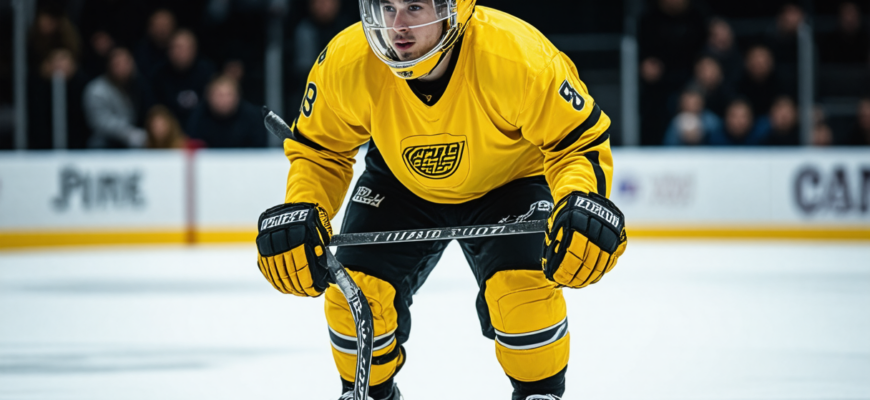
Hockey is a fast-paced and physically demanding sport that combines skill, agility, and raw power. While the excitement of skating and puck handling attracts many amateurs to the game, it’s crucial to recognize the importance of safety. Proper protective equipment not only minimizes the risk of injuries but also enhances overall gameplay confidence. This comprehensive guide explores the numerous advantages of using a complete set of protective gear for amateur hockey players, detailing each element’s role and emphasizing best practices for safety and performance.
- Why Proper Protective Gear Matters in Amateur Hockey
- Components of a Complete Protective Gear Set
- Hockey Helmet
- Shoulder Pads
- Elbow Guards
- Gloves
- Pants (Hockey Breezers)
- Knie Guards and Shin Pads
- Protective Cup
- Neck Guard
- Advantages of Using a Complete Protective Gear Set
- Enhanced Safety and Injury Prevention
- Increased Confidence and Comfort
- Prolonged Playing Career
- Compliance with Safety Regulations
- Improved Performance and Gameplay
- Understanding the Importance of Proper Fit
- Ensuring Maximum Protection
- Tips for Selecting the Right Protective Gear
- Maintenance and Care of Protective Equipment
- Cost-Benefit Analysis: Is Complete Gear Worth the Investment?
- Protect Your Passion for Hockey
- Additional Resources
Why Proper Protective Gear Matters in Amateur Hockey
Hockey involves high-speed skating, rapid changes in direction, and physical contact, making injuries a constant risk. Unlike professional leagues, where top-tier equipment is standard, amateur players often underestimate the significance of full protective gear. However, injuries can significantly impact a player’s health, confidence, and enjoyment of the game. Using a complete set of protective equipment is an essential step for any amateur player aiming to enjoy hockey safely and sustainably.
Components of a Complete Protective Gear Set
A typical protective gear set encompasses multiple key components designed to shield different parts of the body. These elements work synergistically to absorb impacts, prevent cuts and bruises, and support overall body stability during play. Let’s explore each of these components in detail.
Hockey Helmet
The helmet is arguably the most critical piece of protective gear. It protects the head from impacts caused by falls, collisions with other players, or puck strikes. Modern hockey helmets feature impact-absorbing liners, adjustable straps for a secure fit, and cage or shield visors for facial protection. Wearing a helmet reduces the risk of concussions and head injuries significantly.
Shoulder Pads
Shoulder pads serve to protect the shoulders, chest, and upper back. They absorb and distribute the force from hits and falls, minimizing injuries such as shoulder dislocations or rib contusions. Properly fitted shoulder pads should allow a full range of motion while providing sufficient coverage.
Elbow Guards
Elbow guards shield the elbows from impacts and abrasions. They are particularly important during falls or accidental collisions. Quality elbow guards are lightweight yet sturdy, ensuring additional safety without restricting movement.
Gloves
Hockey gloves protect the hands, wrists, and fingers. They prevent cuts from sticks and skates and provide cushioning against impacts. Gloves also improve grip and control over the hockey stick, contributing to better gameplay.
Pants (Hockey Breezers)
Protective hockey pants, or breezers, cover the hips, thighs, tailbone, and lower abdomen. They are padded internally for shock absorption and are essential for preventing contusions and fractures during physical contact or falls.
Knie Guards and Shin Pads
These are crucial in safeguarding the knees and shins from pucks, sticks, and falls. Shin pads are usually tied or strapped around the leg, providing coverage from the ankle to the knee joint. Proper fit is essential to ensure adequate protection without impairing movement.
Protective Cup
A vital protective element for male players, safeguarding the groin area from direct hits and impacts. Comfort and fit are essential to encourage consistent use.
Neck Guard
Though optional, neck guards offer additional protection to the throat and neck area, especially against impacts from sticks or pucks.
Advantages of Using a Complete Protective Gear Set
Wearing a complete set of protective gear provides multiple benefits that go beyond just injury prevention. Below are some of the most significant advantages that bolster both safety and performance for amateur hockey players.
Enhanced Safety and Injury Prevention
The primary benefit of full protective gear is the significant reduction of injury risk. With proper coverage, players are less vulnerable to common hockey injuries such as concussions, fractures, abrasions, and lacerations. For amateur players, who may lack the experience or reflexes of professionals, this safety net is especially vital.
Increased Confidence and Comfort
Knowing that they are well protected, amateur players often experience greater confidence on the ice. Comfort is equally essential; modern equipment is designed to be lightweight and ergonomically shaped, reducing fatigue and allowing players to focus on their game rather than worrying about injuries.
Prolonged Playing Career
Consistent use of high-quality protective gear encourages players to participate more regularly and confidently. This consistency contributes to skill development and enjoyment, eventually extending the playing lifespan even at an amateur level.
Compliance with Safety Regulations
Many amateur leagues or local hockey organizations require players to wear specific protective equipment. Adhering to these standards not only ensures safety but also helps avoid penalties or disqualification from competitions.
Improved Performance and Gameplay
Protective gear enhances movement and agility when designed for minimal restriction. When players feel safe and unencumbered, they can perform more effectively, make sharper turns, and react quickly to game situations.
Understanding the Importance of Proper Fit
Ensuring Maximum Protection
Even the most advanced equipment loses efficacy if not properly fitted. Ill-fitting gear can create gaps, cause discomfort, or restrict movement—factors that can lead to injuries or decreased performance. It is crucial to select equipment suitable for one’s size and adjust it correctly before each game or practice session.
Tips for Selecting the Right Protective Gear
- Measure Accurately: Use a measuring tape to determine your height, weight, chest, waist, and limb circumferences.
- Try Before You Buy: Whenever possible, test equipment to ensure comfort and secure fit.
- Look for Certification: Ensure gear meets safety standards such as HECC (Hockey Equipment Certification Council) or CE (Conformité Européenne).
- Prioritize Quality: Invest in reputable brands known for durability and protection.
- Replace Worn Equipment: Regularly inspect gear for wear and replace damaged items promptly.
Maintenance and Care of Protective Equipment
Proper maintenance extends the lifespan of protective equipment and ensures ongoing safety. Follow these best practices:
- Clean gear regularly with appropriate disinfectants and allow it to dry thoroughly.
- Store equipment in a cool, dry place away from direct sunlight.
- Avoid sharing equipment with others to reduce the risk of infections.
- Replace padding or shells when signs of damage or wear appear.
Cost-Benefit Analysis: Is Complete Gear Worth the Investment?
| Aspect | Cost | Benefit |
|---|---|---|
| Initial Investment in Complete Gear | Moderate to High | Maximum safety, confidence, and performance potential |
| Potential Injury Costs Without Proper Gear | High (medical expenses, time off, long-term health impacts) | Injury prevention significantly outweighs the gear costs |
| Long-term Durability and Savings | Dependent on proper maintenance | Protects health and prolongs playing career, reducing need for frequent replacements |
Protect Your Passion for Hockey
Participating in amateur hockey offers immense enjoyment, physical activity, and camaraderie. However, ensuring safety through a complete protective gear set is fundamental to sustaining this passion. Proper equipment shields players from injuries, boosts confidence, and contributes to overall performance. Investing in high-quality, well-fitting gear and maintaining it properly is a wise choice for anyone eager to enjoy hockey safely and to the fullest. Remember, playing safe is playing smart, and equipment is your first line of defense on the ice.
Additional Resources
- Guide to Choosing the Right Hockey Helmet
- Maintenance Tips for Hockey Protective Gear
- List of Certified Hockey Equipment Brands
Equip yourself properly, play responsibly, and experience the joy of hockey while prioritizing safety every step of the way.
Похожие записи:
 Mastering the Art of Hockey Pads: How to Choose the Perfect Gear for Amateur Players
  Essential Equipment for Outdoor Amateur Hockey Games: A Complete Guide
  How to Wear Your Helmet and Pads Safely: A Complete Guide for Amateur Hockey Players
  The Surprising Benefits of Playing Small-Area Hockey for Amateur Players
  Choosing the Right Hockey Stick for Beginners: A Complete Guide for Amateur Players
  Essential Ice Hockey Equipment Maintenance Tips: Keep Your Gear in Optimal Condition
  The Essential Role of Hip Pads in Amateur Hockey Safety
  Essential Helmet Safety Tips for Amateur Hockey Players: Protect Yourself on the Ice
  Starting with Beginner-Friendly Hockey Drills: A Complete Guide for Amateur Players
  Understanding the Different Types of Hockey Helmets: A Comprehensive Guide for Amateur Players
  The Importance of Proper Neck Guard Usage in Amateur Hockey
  Building Confidence in Your Skating and Puck Skills: A Complete Guide for Amateur Hockey Players
  Must-Have Gloves for Amateur Hockey Enthusiasts: Essential Protection and Performance
  What to Look for When Buying Youth Hockey Jerseys: A Complete Guide for Enthusiasts
  Basic Strategies for Beginner Hockey Players: A Complete Guide for Amateur Enthusiasts
 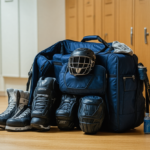 Choosing a Suitable Hockey Bag for Amateur Players: The Ultimate Guide