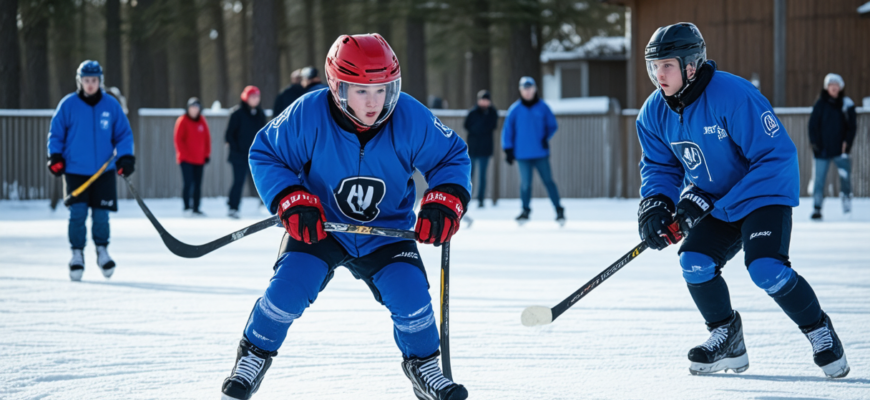
Hockey is a dynamic, fast-paced sport that can be enjoyed by amateurs and enthusiasts all year round, especially when played outdoors. Whether you’re organizing a friendly match with friends, participating in a community tournament, or simply practicing your skills on an outdoor rink, having the proper equipment is crucial for safety, performance, and enjoyment. In this comprehensive guide, you’ll learn about the essential gear needed for outdoor amateur hockey games, including equipment specifications, safety considerations, and tips for choosing the right items.
- Understanding the Importance of Proper Hockey Equipment
- The Core Equipment for Outdoor Amateur Hockey
- 1. Hockey Skates
- Key Features to Consider:
- 2. Hockey Stick
- Material Options:
- Choosing the Right Stick Length:
- 3. Protective Gear
- Essential Protective Equipment:
- Additional Considerations:
- 4. Puck and Accessories
- Recommended Types:
- Clothing and Thermal Gear for Outdoor Hockey
- Layering System
- Additional Clothing Tips:
- Essential Tips for Selecting Equipment for Outdoor Play
- Cost Breakdown of Essential Hockey Equipment
- Sample Price List (Approximate)
- Additional Equipment and Accessories for Enhanced Outdoor Hockey Experience
- 1. Lighting Equipment
- 2. Maintenance Tools
- 3. Transportation and Storage
Understanding the Importance of Proper Hockey Equipment
Hockey is a physically demanding sport that involves high speeds, quick movements, and physical contact. The outdoor environment adds additional variables such as weather conditions, uneven ice surfaces, and limited access to specialized facilities. Proper equipment not only enhances performance but also minimizes the risk of injuries, ensuring that players can enjoy the game safely and comfortably.
Key objectives for selecting hockey equipment include:
- Protection from impacts and injuries
- Optimal mobility and comfort
- Appropriate adaptation to outdoor conditions
- Compliance with safety standards and regulations
The Core Equipment for Outdoor Amateur Hockey
1. Hockey Skates
Skates are the most crucial piece of equipment for any hockey player. Outdoor skates differ slightly from indoor rink skates in terms of durability and design. They are built to withstand rougher surfaces, colder temperatures, and sometimes uneven ice conditions.
Key Features to Consider:
- Blade Quality: High-quality, corrosion-resistant stainless steel blades with a sharpened edge for better grip.
- Boot Comfort: Insulated and well-padded boots for warmth and support in cold outdoor conditions.
- Blade Width: Wider blades can offer more stability on uneven ice.
- Size: Proper fit is essential—too tight causes discomfort, too loose hampers control.
Tip: Regularly sharpen blades to maintain grip and safety during gameplay. Consider waterproof or water-resistant skate boots to withstand moisture from snow and ice.
2. Hockey Stick
The hockey stick is vital for controlling the puck, shooting, and passing. For outdoor recreational games, players often prefer lightweight sticks made from durable materials.
Material Options:
- Wood: Traditional, affordable, and easy to repair, though heavier and less durable.
- Composite: Modern, lightweight, and offers better power transfer, but typically more expensive.
Choosing the Right Stick Length:
| Player Height | Recommended Stick Length |
|---|---|
| 160-170 cm | approximately 125-135 cm |
| 170-180 cm | about 135-145 cm |
| 180-190 cm | roughly 145-155 cm |
3. Protective Gear
Safety gear is vital for preventing injuries from falls, collisions, and puck impacts. Outdoor settings make the protection even more critical given the potential for uneven surfaces and unpredictable weather.
Essential Protective Equipment:
- Helmet: Certified hockey helmets with full face cages or visors, padded interior, and adjustable straps.
- Shoulder Pads: Lightweight yet sturdy pads that offer protection to shoulders, chest, and upper back.
- Elbow Pads: Reinforced protection to prevent injuries during falls or contact.
- Gloves: Padded gloves that provide grip, dexterity, and impact absorption.
- Padded Shorts: Hockey pants with thigh and hip protection for the lower body.
- Shin Guards: To shield shins from pucks and sticks, especially on uneven ice surfaces.
Additional Considerations:
- Ensure all protective gear meets recognized safety standards (e.g., CE, CSA).
- Adjust gear properly for comfort and effective protection.
4. Puck and Accessories
The puck is the central element of the game. For outdoor use, choose a puck designed for colder temperatures and outdoor play to prevent cracking or sticking.
Recommended Types:
- Standard Rubber Puck: Durable and suitable for most outdoor surfaces.
- Outdoor Hockey Puck: Slightly softer material for better glide on rough ice.
Additional accessories include:
- Goal nets suitable for outdoor use.
- Markers and cones for boundary marking and practice drills.
- Reflective tape and lights if playing during early mornings or late evenings.
Clothing and Thermal Gear for Outdoor Hockey
Playing outdoors means exposure to various weather conditions. Proper clothing ensures warmth, dryness, and freedom of movement.
Layering System
- Base Layer: Moisture-wicking thermal shirts and leggings to keep sweat away from the skin.
- Middle Layer: Insulating options like fleece or thermal wear for warmth.
- Outer Layer: Waterproof and windproof jackets and pants to protect against snow, rain, and wind.
Additional Clothing Tips:
- Wear a hat or headband under the helmet for additional warmth.
- Use thermal socks designed for hockey or winter sports.
- Choose gloves that are insulated and flexible for puck handling.
Essential Tips for Selecting Equipment for Outdoor Play
Choosing the appropriate gear involves balancing safety, comfort, and performance. Here are some practical tips for outdoor amateur hockey players:
- Prioritize Safety: Always select certified safety gear that fits well and offers sufficient protection.
- Opt for Durability: Equipment must withstand outdoor conditions, including moisture, cold, and rough contact.
- Consider Weather Conditions: Invest in gear designed for colder temperatures, waterproofing, or breathability depending on local climate.
- Proper Fit is Key: Ill-fitting equipment can cause discomfort and increase injury risk, so measure accurately and try gear on before purchase.
- Maintain Your Equipment: Regularly inspect and clean gear, sharpen skates, and replace worn items promptly.
Cost Breakdown of Essential Hockey Equipment
Sample Price List (Approximate)
| Item | Estimated Cost, USD |
|---|---|
| Skates | $50 – $200 |
| Hockey Stick | $20 – $150 |
| Helmet | $30 – $150 |
| Pads & Protective Gear | $50 – $300 |
| Puck & Accessories | $10 – $40 |
| Clothing & Thermal Gear | $40 – $200 |
Note that prices vary depending on brands, materials, and quality. For beginners, more affordable options can be effective while still providing adequate protection. Experienced players and enthusiasts may opt for premium gear for enhanced performance and comfort.
Additional Equipment and Accessories for Enhanced Outdoor Hockey Experience
1. Lighting Equipment
If planning to play during dusk or night, portable floodlights, LED headlamps, or battery-powered outdoor lighting are essential for safety and visibility.
2. Maintenance Tools
- Blade sharpening kits
- Ice scrapers or brushes for outdoor ice maintenance
- Protective covers for equipment
3. Transportation and Storage
- Durable hockey bags with wheels for easy transport
- Weather-resistant covers for outdoor storage
Engaging in outdoor amateur hockey is an exciting way to enjoy the sport, improve skills, and stay active in natural surroundings. The success of such activities relies heavily on selecting the right equipment—gear that balances safety, durability, and functionality. From high-quality skates and protective gear to weather-appropriate clothing, each item plays a vital role in ensuring a safe and enjoyable experience. Proper maintenance and thoughtful selection of outdoor-specific equipment can significantly enhance gameplay, allowing players to focus on the thrill of the game while minimizing risks.
Whether you are a seasoned amateur looking to upgrade your gear or a beginner just starting out, investing in the right equipment is the first step toward mastering outdoor hockey, creating memorable moments, and fostering a lifelong passion for this exhilarating sport.
Похожие записи:
 Essential Ice Hockey Equipment Maintenance Tips: Keep Your Gear in Optimal Condition
  The Ultimate Guide to Maintaining Your Hockey Equipment: Stay Safe and Improve Performance
  The Benefits of Using a Complete Protective Gear Set for Amateur Hockey Players
  Choosing the Right Hockey Stick for Beginners: A Complete Guide for Amateur Players
  How to Wear Your Helmet and Pads Safely: A Complete Guide for Amateur Hockey Players
  Must-Have Gloves for Amateur Hockey Enthusiasts: Essential Protection and Performance
  Starting with Beginner-Friendly Hockey Drills: A Complete Guide for Amateur Players
  The Essential Role of Hip Pads in Amateur Hockey Safety
  Essential Helmet Safety Tips for Amateur Hockey Players: Protect Yourself on the Ice
  What to Look for When Buying Youth Hockey Jerseys: A Complete Guide for Enthusiasts
  Understanding the Different Types of Hockey Helmets: A Comprehensive Guide for Amateur Players
  Choosing a Suitable Hockey Bag for Amateur Players: The Ultimate Guide
  Building Confidence in Your Skating and Puck Skills: A Complete Guide for Amateur Hockey Players
  Mastering the Art of Effective Ice Stops: Essential Techniques for Amateur Hockey Players
  Basic Strategies for Beginner Hockey Players: A Complete Guide for Amateur Enthusiasts
  Ultimate Guide: How to Properly Fit and Adjust Your Shoulder Pads for Hockey Beginners