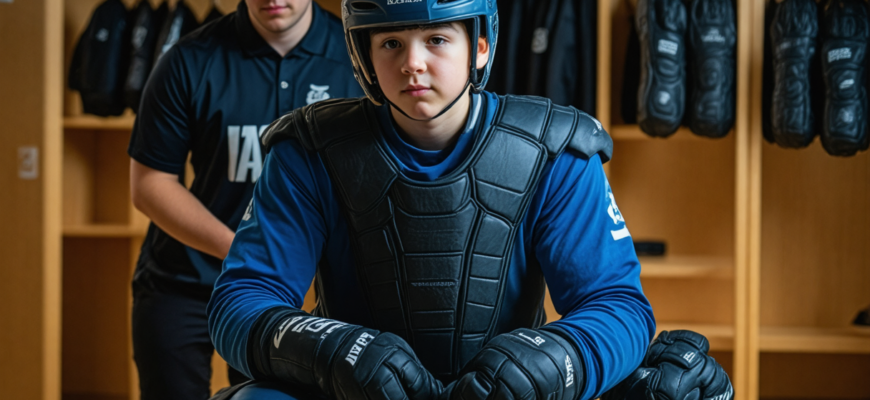
Playing hockey requires a combination of skill, agility, and most importantly, proper equipment. Among the essential protective gear, shoulder pads play a vital role in safeguarding players from injuries caused by impacts, falls, and collisions. For amateurs and newcomers to the sport, understanding how to correctly fit and adjust shoulder pads can significantly enhance both safety and comfort on the ice. This comprehensive guide aims to walk you through every step needed to choose, fit, and adjust shoulder pads effectively, ensuring optimal protection and mobility.
- Understanding the Importance of Proper Shoulder Pad Fitting
- Choosing the Right Shoulder Pads for Beginners
- Key Factors in Selecting Shoulder Pads
- How to Measure for the Correct Size
- Understanding Sizing Charts
- Step-by-Step Guide to Fitting Shoulder Pads
- Preparing for Fitting
- Initial Fitting Process
- Verification of Fit
- Tips for Optimal Shoulder Pad Adjustment
- Ensuring Proper Placement
- Common Mistakes to Avoid
- Maintaining Your Shoulder Pads
- Additional Considerations for Amateur Players
- Adapting Equipment for Comfort and Performance
- When to Replace Shoulder Pads
- Summary: Achieving Perfect Fit for Optimal Safety
- Frequently Asked Questions (FAQs)
- How tight should shoulder pads be?
- Can shoulder pads be too loose?
- Is it necessary to have professional fitting?
- How often should I replace my shoulder pads?
Understanding the Importance of Proper Shoulder Pad Fitting
Before diving into the fitting process, it’s essential to understand why correct adjustment of shoulder pads matters. Improperly fitted equipment can lead to several issues, including:
- Reduced protection: Gaps or looseness can create vulnerabilities where impacts can cause injuries.
- Discomfort and chafing: Ill-fitting pads can cause irritation, distraction, and reduced focus during the game.
- Restricted movement: Too tight pads may limit arm mobility, affecting your ability to pass, shoot, or skate smoothly.
- Increased risk of injury: Shifting pads during play can expose areas of the body to unprotected impacts.
Properly fitted shoulder pads are crucial not just for safety but also for maintaining confidence and game performance on the ice. Now, let’s explore the steps to achieve the perfect fit.
Choosing the Right Shoulder Pads for Beginners
Key Factors in Selecting Shoulder Pads
For amateur players, selecting the appropriate pads involves considering several factors:
- Size and fit: Accurate sizing ensures comfort and protection.
- Position: The type of shoulder pads may vary depending on whether you play as a forward, defenseman, or goalie.
- Level of impact: Beginners typically require protective gear that balances safety and mobility.
- Material and weight: Lighter, breathable materials help maintain agility on the ice.
How to Measure for the Correct Size
Proper measurement is the foundation of selecting suitable shoulder pads. Follow these steps:
| Measurement Area | Procedure | Guidelines |
|---|---|---|
| Chest circumference | Wrap a measuring tape around the widest part of your chest, just under your arms. | Ensure the tape is snug but not tight; breathe normally. |
| Shoulder width | Measure across the back from one shoulder tip to the other. | Keep arms relaxed at your sides during measurement. |
| Arm length | Measure from the shoulder tip down to the wrist. | Useful for confirming that the shoulder cap aligns properly. |
Understanding Sizing Charts
Most brands provide sizing charts based on chest circumference or height. Here’s a typical example:
| Size | Chest (cm) | Recommended Player Height |
|---|---|---|
| S | 86–91 | 140–150 cm |
| M | 92–97 | 150–160 cm |
| L | 98–103 | 160–170 cm |
| XL | 104–109 | 170–180 cm |
| XXL | 110–115 | 180–190 cm |
Step-by-Step Guide to Fitting Shoulder Pads
Preparing for Fitting
Before fitting, ensure you have:
- The correct size based on measurements
- Parent or coach assistance, especially for young players
- Proper athletic clothing or a light t-shirt to wear underneath
Initial Fitting Process
- Put on the shoulder pads: Slip them over your head or step into them depending on the design. Ensure the straps are loosened for easy adjustment.
- Adjust the straps: Tighten the side straps first, ensuring the pads sit snugly on your shoulders without restricting movement.
- Align the shoulder caps: The shoulder caps should cover the top of your shoulders, extending slightly beyond the armhole but not so far as to restrict arm movement.
- Check the chest and back panels: These should sit flat against your chest and back without gaps or excessive tightness.
- Secure the straps: Fasten all straps firmly but comfortably. Avoid overly tight straps that cause discomfort.
Verification of Fit
After initial adjustments, perform the following checks:
- Mobility: Raise your arms, turn your shoulders, and reach forward to ensure no restrictions.
- Stability: Move laterally to verify the pads do not shift excessively.
- Comfort: Wear the pads for a few minutes to test for chafing or pressure points.
Tips for Optimal Shoulder Pad Adjustment
Ensuring Proper Placement
- Make sure the shoulder caps align precisely with the top of your shoulders.
- Adjust straps evenly on both sides to prevent tilting or uneven load distribution.
- Confirm that the elastic straps are tight enough to prevent sliding but not so tight as to impair circulation or cause pain.
Common Mistakes to Avoid
- Failing to measure accurately, resulting in ill-fitting gear.
- Over-tightening straps, which can restrict movement and cause discomfort.
- Leaving gaps between the pads and the body—these reduce protection.
- Using pads that are too big or too small rather than ones that match your size.
Maintaining Your Shoulder Pads
- Regularly clean your gear according to manufacturer instructions to prevent odor and bacteria buildup.
- Inspect straps and fasteners periodically for signs of wear or damage.
- Store pads in a well-ventilated area after use.
Additional Considerations for Amateur Players
Adapting Equipment for Comfort and Performance
As beginners gain experience, they may wish to customize their equipment for better comfort or mobility. Some options include:
- Adding padding or liners for enhanced comfort.
- Choosing lighter materials for increased agility.
- Utilizing different strap configurations for personalized fit.
When to Replace Shoulder Pads
It’s important to replace shoulder pads if:
- The gear shows signs of significant wear or tears.
- The shape no longer provides proper fit or protection.
- The pads no longer fit comfortably despite adjustments.
- Regulations or league rules require new equipment.
Summary: Achieving Perfect Fit for Optimal Safety
Proper fitting and adjustment of shoulder pads are essential to ensure maximum protection, comfort, and mobility during hockey games, especially for amateurs. Accurate measurements, careful selection of gear, and meticulous fitting lead to increased safety and confidence on the ice. Remember that gear should feel snug but not restrictive, and must stay in place during all kinds of movement. Regular checks and maintenance will prolong the life of your shoulder pads and ensure they provide the intended level of protection. Following this guide helps beginners develop correct habits and become more confident players, ready to enjoy hockey safely and comfortably.
Frequently Asked Questions (FAQs)
How tight should shoulder pads be?
They should be snug enough to stay securely on your shoulders without slipping and without causing discomfort or restricting movement.
Can shoulder pads be too loose?
Yes, loose pads can shift during play, creating gaps and reducing protection. Always aim for a secure but comfortable fit.
Is it necessary to have professional fitting?
While professional fitting is ideal, amateurs can achieve proper fit by carefully following measurement and fitting instructions outlined here.
How often should I replace my shoulder pads?
Typically, every 2–3 years, or sooner if signs of wear, damage, or discomfort are evident.
Properly fitting shoulder pads form the foundation of effective safety gear in hockey. For beginners, understanding how to measure, select, and adjust their equipment can dramatically improve their playing experience and safety on the ice. Invest time in getting the fit right, maintain your gear well, and enjoy the game with confidence and protection at the forefront.
Похожие записи:
 How to Wear Your Helmet and Pads Safely: A Complete Guide for Amateur Hockey Players
  Ultimate Guide to Selecting the Right Hockey Pants for Beginners
  Mastering the Art of Hockey Pads: How to Choose the Perfect Gear for Amateur Players
  Ultimate Guide: How to Properly Clean and Maintain Your Hockey Gear
  Choosing a Suitable Hockey Bag for Amateur Players: The Ultimate Guide
  The Importance of Proper Neck Guard Usage in Amateur Hockey
  Choosing the Right Hockey Stick for Beginners: A Complete Guide for Amateur Players
  Conquer Your First Ice Hockey Fears: Essential Tips for Beginners
  Essential Ice Hockey Equipment Maintenance Tips: Keep Your Gear in Optimal Condition
  Essential Helmet Safety Tips for Amateur Hockey Players: Protect Yourself on the Ice
  Mastering the Ice: A Comprehensive Guide to the Basic Rules of Ice Hockey for Beginners
  Must-Have Gloves for Amateur Hockey Enthusiasts: Essential Protection and Performance
  Mastering Hockey Stick Handling: Essential Techniques for Beginners
  Mastering Safety on Ice: How to Choose and Care for Your Hockey Helmet
  Ultimate Guide: How to Fit Your Hockey Skates Correctly for Peak Performance
  Mastering Speed and Control in Skating: The Ultimate Guide for Amateur Hockey Players