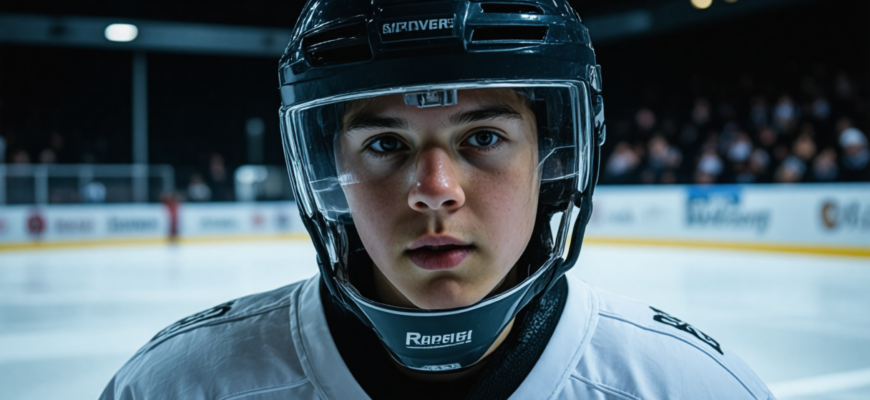
Playing hockey is an exhilarating sport that combines skill, teamwork, and adrenaline. However, as with any contact sport, safety should always be a top priority. A well-chosen and properly maintained hockey helmet is essential to protect players from head injuries, which can have serious consequences. Whether you’re a beginner just starting out or an experienced amateur, understanding how to select the right helmet and keep it in optimal condition is crucial. This comprehensive guide delves into every aspect of choosing and caring for your hockey helmet, ensuring you stay safe and comfortable on the ice.
- Why Is a Good Hockey Helmet Important?
- Part 1: How to Choose the Right Hockey Helmet
- Understanding Helmet Ratings and Certification
- Factors to Consider When Selecting a Helmet
- 1. Fit and Size
- 2. Helmet Type and Design
- 3. Ventilation and Comfort
- 4. Chin Strap and Retention System
- 5. Visibility and Accessories
- How to Test a Helmet’s Fit Correctly
- Part 2: How to Properly Care for Your Hockey Helmet
- Cleaning and Maintenance
- 1. Cleansing the Exterior
- 2. Maintaining Interior Padding
- 3. Disinfecting
- Storage Tips
- When to Replace Your Hockey Helmet
- Part 3: FAQs About Hockey Helmets
- Q1: Can I use a bicycle helmet for hockey?
- Q2: Should I wear a visor or cage with my helmet?
- Q3: How do I know if my helmet fits properly?
- Part 4: Additional Safety Tips for Amateur Hockey Players
Why Is a Good Hockey Helmet Important?
Hockey is a fast-paced sport with high-impact collisions, pucks traveling at high speeds, and physical contact. Even the most skilled players are at risk of head injuries, including concussions, lacerations, or more severe trauma. A quality helmet acts as a primary line of defense by absorbing and distributing impact forces, reducing the risk of injury.
According to sports safety studies, proper helmet use can reduce the risk of traumatic brain injuries by up to 70%. Beyond protection, a well-fitting helmet enhances overall performance by providing confidence and comfort during gameplay, allowing players to focus solely on their skills and tactics.
Part 1: How to Choose the Right Hockey Helmet
Understanding Helmet Ratings and Certification
Before diving into the selection process, it’s vital to understand safety standards and certification labels. Look for helmets that meet or exceed the following certifications:
- HECC (Hockey Equipment Certification Council): Recognized in North America, this certification indicates compliance with established safety standards.
- CSA (Canadian Standards Association): Ensures head protection for hockey players in Canada and adheres to rigorous testing protocols.
- CE (Conformité Européenne): Validates helmets sold within European markets.
Choosing a certified helmet guarantees that it has undergone thorough testing for impact absorption, resistance, and comfort. Always verify these labels before purchasing.
Factors to Consider When Selecting a Helmet
1. Fit and Size
A proper fit is paramount for effective protection and comfort. An ill-fitting helmet can shift during play, creating gaps and reducing impact absorption.
| Head Circumference (cm) | Helmet Size | Example Brands/Models |
|---|---|---|
| 50-52 | XS | Bauer NSX, CCM Fitlite 3DS |
| 53-55 | S | CCM Tacks, Bauer Reakt |
| 56-58 | M | Warrior Covert, CCM Resistance |
| 59-61 | L | Bauer Vapor 2X, CCM Premier |
*Measure your head circumference just above the eyebrows and around the widest part of the head for an accurate size.*
2. Helmet Type and Design
There are two main types of hockey helmets:
- Inline / Recreational Helmets: Usually lightweight, designed for casual play, training, and amateur leagues.
- Competitive / Level-3 Helmets: Offer higher impact protection, additional padding, and superior ventilation, suitable for serious amateurs and competitive play.
Choose a helmet that matches your level of activity and personal preference for comfort and protection features.
3. Ventilation and Comfort
Proper airflow helps prevent overheating during play. Look for helmets with multiple ventilation channels and adjustable padding for a customized fit.
4. Chin Strap and Retention System
An adjustable, secure chin strap ensures the helmet stays in place during intense moments. Quick-release buckles facilitate easy donning and removal.
5. Visibility and Accessories
Ensure the helmet provides adequate visibility and space for masks or visors. Many models come with attachment points for accessories like visors, teeth protectors, and padding upgrades.
How to Test a Helmet’s Fit Correctly
- Place the helmet on your head, ensuring it sits level and covers your forehead adequately.
- Fasten the chin strap tightly enough so that the helmet doesn’t wobble or shift when you shake your head.
- Check for pressure points: it should be snug but not uncomfortable. There should be no gaps between the helmet padding and your head.
- Verify that your peripheral vision remains unobstructed.
Part 2: How to Properly Care for Your Hockey Helmet
Cleaning and Maintenance
Regular maintenance extends the lifespan of your helmet and ensures continued protection. Follow these steps for proper care:
1. Cleansing the Exterior
- Use a mild soap solution or a specialized helmet cleaner to wipe down the outer shell.
- Avoid abrasive scrubs which could damage the surface.
- Rinse with clean water and dry with a soft cloth.
2. Maintaining Interior Padding
- Remove and wash removable pads according to the manufacturer’s instructions, typically with mild soap and water.
- Allow pads to air dry completely before reinstallation.
3. Disinfecting
- Periodically spray interior surfaces with disinfectant spray to prevent bacterial buildup and odors.
- Ensure thorough drying prior to use.
Storage Tips
- Keep your helmet in a cool, dry place away from direct sunlight, which can degrade materials over time.
- Store it in a breathable bag or helmet box to prevent dust accumulation.
- Avoid placing heavy objects on top, which could deform the shell.
When to Replace Your Hockey Helmet
Even with proper care, helmets have a limited lifespan. Consider replacing your helmet if:
- It has sustained a significant impact or collision, even if no visible damage is present.
- The foam padding has become compressed or degraded, reducing shock absorption.
- The retention system becomes loose or damaged.
- It shows visible signs of cracking, warping, or discoloration.
Most manufacturers recommend replacing helmets every 3 to 5 years, depending on usage and wear.
Part 3: FAQs About Hockey Helmets
Q1: Can I use a bicycle helmet for hockey?
It is strongly discouraged to use bicycle helmets for hockey as they are not designed to withstand the impact forces involved in the sport and do not provide adequate coverage or protection.
Q2: Should I wear a visor or cage with my helmet?
Wearing a visor or cage adds an extra layer of protection for your face against pucks, sticks, and falls. It is recommended for safety but ensures that the helmet accommodates the accessories securely.
Q3: How do I know if my helmet fits properly?
The helmet should sit snugly without causing discomfort, with no gaps around the edges. It must cover the forehead adequately, and the retention system should keep it firmly in place during movement.
Part 4: Additional Safety Tips for Amateur Hockey Players
- Always wear your helmet correctly: Ensure all straps are fastened and adjusted.
- Use additional protective gear: Include mouthguards, elbow and knee pads, and padded gloves.
- Practice safe playing techniques: Avoid dangerous checks and be mindful of your surroundings.
- Stay mindful of weather conditions: Keep your equipment dry and stored properly after games or practice.
- Educate yourself: Learn about concussion symptoms and first aid procedures.
Protecting oneself during hockey is a comprehensive process that involves choosing the right helmet and ensuring its proper maintenance. By understanding key factors such as certification, fit, design, and care, amateur players can significantly reduce the risk of injuries on the ice. Remember, safety gear is an investment in health and confidence, enabling players to enjoy hockey responsibly for years to come. Proper helmet selection and care are not just about compliance; they are essential steps towards a safer, more enjoyable hockey experience for amateurs at all levels.
Похожие записи:
 Essential Helmet Safety Tips for Amateur Hockey Players: Protect Yourself on the Ice
  Mastering the Art of Hockey Pads: How to Choose the Perfect Gear for Amateur Players
  The Essential Role of Hip Pads in Amateur Hockey Safety
  How to Wear Your Helmet and Pads Safely: A Complete Guide for Amateur Hockey Players
  Understanding the Different Types of Hockey Helmets: A Comprehensive Guide for Amateur Players
  Mastering the Fit: How to Properly Fit and Adjust Hockey Gloves for Optimal Performance
  The Benefits of Using a Complete Protective Gear Set for Amateur Hockey Players
  The Ultimate Guide to Maintaining Your Hockey Equipment: Stay Safe and Improve Performance
  Essential Ice Hockey Equipment Maintenance Tips: Keep Your Gear in Optimal Condition
  The Importance of Proper Neck Guard Usage in Amateur Hockey
  Must-Have Gloves for Amateur Hockey Enthusiasts: Essential Protection and Performance
  Choosing the Best Hockey Elbow Pads for Comfort and Protection
  Ultimate Guide to Selecting the Right Hockey Pants for Beginners
  Ultimate Guide: How to Properly Fit and Adjust Your Shoulder Pads for Hockey Beginners
  Essential Equipment for Outdoor Amateur Hockey Games: A Complete Guide
  What to Look for When Buying Youth Hockey Jerseys: A Complete Guide for Enthusiasts