
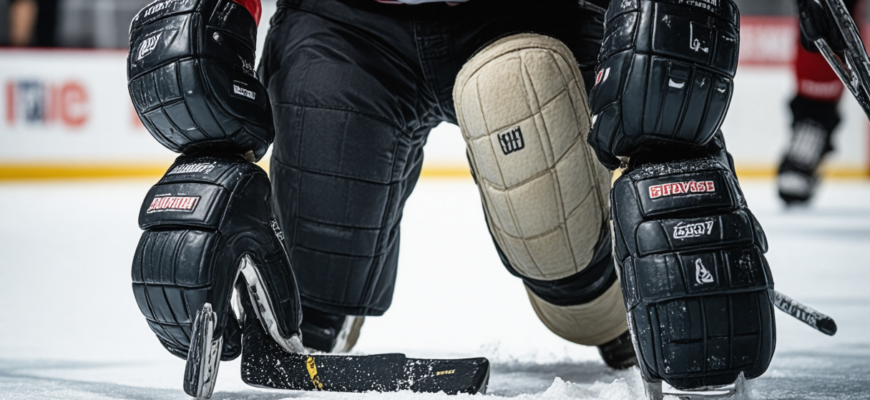
Hockey is one of the most dynamic and physically demanding sports, captivating athletes and fans alike with its fast pace and intense contact. While it offers excitement and adrenaline, the sport also carries inherent risks, especially for amateur players who might not have access to professional-grade protective gear. Among the vital equipment for ensuring player safety are hip pads, which serve as a crucial line of defense against injuries during collisions, falls, and body impacts. This comprehensive guide explores the importance of hip pads in amateur hockey, their design, proper selection, and how they contribute to a safer playing environment.
- Understanding the Risks in Amateur Hockey
- The Physical Demands and Injury Risks
- The Significance of Proper Equipment
- Hip Pads: An Essential Piece of Hockey Equipment
- What Are Hip Pads?
- Components and Construction
- The Importance of Hip Pads in Amateur Hockey
- Protection Against Common Injuries
- Impact Reduction during Collisions and Falls
- Compliance with Safety Standards
- Choosing the Right Hip Pads for Amateur Hockey
- Factors to Consider
- Types of Hip Pads
- Proper Usage and Maintenance
- Ensuring Correct Fit
- Maintenance Tips
- The Role of Properly Fitted Protective Gear in Reducing Injuries
- Summary Table: Benefits of Hip Pads in Amateur Hockey
- Additional Resources
Understanding the Risks in Amateur Hockey
The Physical Demands and Injury Risks
Hockey involves rapid accelerations, sharp turns, aggressive body checks, and frequent falls—any of which can result in injuries. Amateur players are especially vulnerable due to varying levels of experience, inconsistent use of protective gear, and sometimes limited coaching on proper safety practices. Common injuries include bruises, contusions, fractures, joint sprains, and muscular strains, with the hips often being a primary contact zone during collisions and falls.
The Significance of Proper Equipment
Safe participation in hockey hinges on wearing appropriate protective gear designed to absorb impact, distribute force, and prevent injuries. While helmets and shoulder pads are highly visible elements in hockey safety, lower body protection—particularly hip pads—is equally essential yet often overlooked by amateur players. Inadequate or improperly fitted equipment significantly increases injury risk, compromising long-term health and game enjoyment.
Hip Pads: An Essential Piece of Hockey Equipment
What Are Hip Pads?
Hip pads, also known as hip protectors, are padded inserts that cover the hip bone (iliac crest) and surrounding soft tissues. These pads are typically made from foam, gel, or a combination of other impact-absorbing materials. They are designed to cushion the contact point during falls or collisions, minimizing the force transmitted to bones and tissues.
Components and Construction
| Component | Description |
|---|---|
| Outer Covering | Durable fabric that resists abrasion and moisture, often moisture-wicking to enhance comfort. |
| Impact-Absorbing Layer | Foam, gel, or hybrid material that absorbs shocks during impacts. |
| Hard Shell (optional) | Rigid plastic outer shell for additional protection, common in high-impact sports gears. |
| Memory Foam Layer | Conforms to the body, offering customized fit and enhanced shock absorption. |
The Importance of Hip Pads in Amateur Hockey
Protection Against Common Injuries
Hip pads are crucial in preventing a variety of injuries typical of hockey play:
- Bruises and Contusions: Protect soft tissues from blunt impacts during checking or falls.
- Fractures and Broken Bones: Absorb significant forces that could otherwise fracture the pelvic bones.
- Hip Dislocations and Sprains: Limit extreme movements that could lead to joint injuries.
- Soft Tissue Injuries: Cushion muscles, tendons, and ligaments from direct trauma.
Impact Reduction during Collisions and Falls
In high-contact situations, the force transmitted to the hips can be severe. Properly fitted hip pads help disperse and reduce this force, decreasing the likelihood of injuries that could sideline players for extended periods. Their presence not only enhances safety but also increases player confidence, allowing for more aggressive and strategic gameplay.
Compliance with Safety Standards
Many amateur leagues require players to wear protective gear that complies with established safety standards. Hip pads that meet or exceed these standards ensure legal compliance and provide reliable protection against impact injuries. Moreover, high-quality pads often include features like moisture-wicking fabric, adjustable straps, and anatomically contoured shapes for enhanced comfort and performance.
Choosing the Right Hip Pads for Amateur Hockey
Factors to Consider
- Level of Impact Protection: Choose pads that provide adequate padding based on your style of play and risk exposure.
- Fit and Comfort: Proper fit is critical; pads should snugly cover the hip without restricting movement or causing discomfort.
- Material and Durability: Opt for high-quality materials that withstand repeated impacts and moisture.
- Mobility: Ensure the pads do not hinder skating, turning, or other essential movements.
- Compatibility: Match with other gear, such as girdles or padded shorts, for comprehensive protection.
Types of Hip Pads
- Separate Hip Protectors: Standalone pads that can be inserted into padded shorts or girdles, offering customizable coverage.
- Integrated Girdles or Shorts: Multi-protection gear with built-in hip padding, providing convenience and comprehensive coverage.
- Slimline Pads: Designed for minimal bulk, suitable for players valuing mobility alongside protection.
Proper Usage and Maintenance
Ensuring Correct Fit
Properly fitted hip pads should sit comfortably over the hips without movement during play. Adjustable straps and elastic materials help achieve a secure fit. Correct placement ensures maximum impact absorption and reduces the risk of slipping or bunching, which can compromise safety.
Maintenance Tips
- Wash pads regularly according to manufacturer instructions to remove sweat, dirt, and bacteria.
- Inspect pads for signs of wear or damage, replacing any that are compromised.
- Store pads in a dry, well-ventilated area to prevent mold and deterioration.
The Role of Properly Fitted Protective Gear in Reducing Injuries
Research indicates that appropriate protective equipment significantly lowers the incidence and severity of injuries in hockey. Properly fitted hip pads work in conjunction with other gear such as helmets, shoulder pads, and knee guards to form a comprehensive safety system. This holistic approach enhances player confidence, reduces injury-related game disruptions, and prolongs athletic careers, even at an amateur level.
Summary Table: Benefits of Hip Pads in Amateur Hockey
| Benefit | Description |
|---|---|
| Impact Absorption | Reduces the force transferred during collisions and falls, protecting bones and soft tissues. |
| Injury Prevention | Prevents common injuries like bruises, fractures, and joint dislocations. |
| Enhanced Confidence | Players feel safer, leading to more aggressive and strategic gameplay. |
| Compliance | Supports adherence to safety standards required by amateur leagues. |
| Comfort and Mobility | Proper ergonomic design maintains comfort while allowing full range of motion. |
In amateur hockey, where safety practices can vary and protective gear awareness is vital, hip pads serve as a fundamental element in injury prevention. Their capacity to absorb impacts, shield vital bones, and promote confidence on the ice underscores their importance. Selecting the right pair of hip pads—considering fit, material quality, and impact protection—is essential for any amateur player aspiring to enjoy hockey while minimizing injury risks. When combined with other protective gear and proper playing techniques, hip pads contribute significantly to a safer, more enjoyable hockey experience for players of all skill levels.
Additional Resources
- Guide to Choosing the Best Hip Pads for Hockey
- Hockey Safety Equipment Standards
- Impact Safety in Ice Hockey
Похожие записи:
 Essential Helmet Safety Tips for Amateur Hockey Players: Protect Yourself on the Ice
  Mastering the Art of Hockey Pads: How to Choose the Perfect Gear for Amateur Players
  How to Wear Your Helmet and Pads Safely: A Complete Guide for Amateur Hockey Players
  Ultimate Guide: How to Properly Fit and Adjust Your Shoulder Pads for Hockey Beginners
  Essential Equipment for Outdoor Amateur Hockey Games: A Complete Guide
  Choosing the Best Hockey Elbow Pads for Comfort and Protection
  Mastering Safety on Ice: How to Choose and Care for Your Hockey Helmet
  The Importance of Proper Neck Guard Usage in Amateur Hockey
  Must-Have Gloves for Amateur Hockey Enthusiasts: Essential Protection and Performance
  Essential Ice Hockey Equipment Maintenance Tips: Keep Your Gear in Optimal Condition
  Mastering the Art of Effective Ice Stops: Essential Techniques for Amateur Hockey Players
  The Crucial Role of Fitness and Strength in Hockey Performance
  Mastering the Ice: Essential Hockey Etiquette and Sportsmanship for Amateur Players
  Conquer Your First Ice Hockey Fears: Essential Tips for Beginners
  Ultimate Guide to Selecting the Right Hockey Pants for Beginners
  The Critical Role of Teamwork and Communication in Ice Hockey Success