
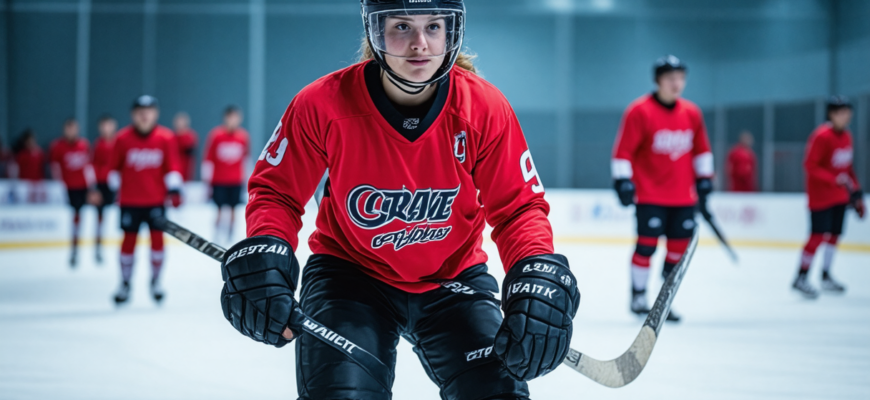
Hockey is an exhilarating and physically demanding sport that requires not only skill and agility but also comprehensive protective gear. For female amateur players, understanding the importance of proper equipment is vital to ensure safety, enhance performance, and foster confidence on the ice. This comprehensive guide explores all the essential protective items, offers insights into their features, and provides tips for selecting the right gear tailored for women in amateur hockey leagues.
- Understanding the Importance of Protective Equipment in Hockey
- Core Protective Equipment for Female Amateur Hockey Players
- 1. Helmet and Face Protection
- 2. Shoulder and Chest Protectors
- 3. Elbow and Wrist Guards
- 4. Gloves
- 5. Protective Padded Shorts and Groin Protectors
- 6. Knee and Shin Guards
- Additional Protective Items for Female Amateur Hockey Players
- 1. Mouthguards
- 2. Neck Guards
- 3. Socks and Skates
- Choosing the Right Equipment for Female Amateur Hockey Players
- Key Factors to Consider
- Maintenance and Care of Protective Equipment
- Additional Tips for Female Amateur Hockey Players
Understanding the Importance of Protective Equipment in Hockey
Ice hockey is a high-impact sport characterized by fast-paced movement, physical contact, and potential for falls. Without adequate protection, players are susceptible to injuries ranging from bruises and fractures to concussions. For female players, who may encounter differences in body structure and sometimes face misconceptions about safety equipment, it is crucial to prioritize well-fitted and appropriate gear. Proper protective equipment not only minimizes injury risk but also bolsters confidence, allowing players to focus on their game.
Core Protective Equipment for Female Amateur Hockey Players
1. Helmet and Face Protection
The helmet is the cornerstone of safety gear in hockey, designed to protect the head from impacts and falls. For female players, it is critical to choose a helmet that provides a snug, comfortable fit, taking into account different head sizes and shapes.
- Features to consider: Certified for hockey safety standards (e.g., HECC or CSA approval), effective suspension system, adjustable chin strap, and venting for airflow.
- Face protection: Visors or cages should be securely attached to shield the eyes and face from pucks, sticks, and collisions. Full cages offer maximum coverage, while visors provide clearer visibility while still offering substantial protection.
2. Shoulder and Chest Protectors
Shoulder pads and chest protectors absorb impacts from checks, falls, and collisions, safeguarding vital organs and bones. For women, the gear should be specifically designed or adjustable to accommodate different body contours for maximum comfort and protection.
| Feature | Description |
|---|---|
| Fit | Should be snug but not restrictive; adjustable straps are essential for proper fit. |
| Coverage | Should protect collarbones, shoulders, sternum, and ribs. |
| Material | Lightweight, impact-resistant plastics with breathable padding. |
3. Elbow and Wrist Guards
Given the frequency of falls and stick contact, elbow and wrist protection are vital. These guards help prevent fractures, sprains, and cuts.
- Elbow pads should fit snugly around the elbow joint and extend slightly down the forearm.
- Wrist guards encompass the wrist and part of the hand, providing rigidity while allowing mobility.
4. Gloves
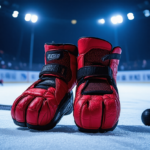
Hockey gloves protect the hands, wrists, and lower arms from pucks and sticks. Female players should choose gloves with a tapered fit to ensure dexterity and comfort. Properly fitted gloves improve grip on the stick and reduce hand fatigue.
5. Protective Padded Shorts and Groin Protectors
Lower body protection is crucial to shield the pelvis, thighs, and groin area. Padded shorts are often constructed with impact-absorbing foam and hard shells.
- Groin guards or hockey cups are recommended for additional protection, especially in competitive or higher-level amateur play.
- Look for breathable, moisture-wicking fabrics to prevent chafing and overheating.
6. Knee and Shin Guards
The knees and shins are highly vulnerable during falls and blocking shots. Well-fitted guards cover the entire shin and knee cap, securing with straps or sleeves.
| Type | Advantages |
|---|---|
| Full Leg Guards | Offer comprehensive protection, suitable for aggressive play. |
| Knee and Shin Sleeves | More flexible and lightweight but may provide less impact absorption. |
Additional Protective Items for Female Amateur Hockey Players
1. Mouthguards
Protecting teeth and reducing the risk of concussions, mouthguards should be mandatory in all levels of play. Custom-fitted mouthguards offer the best comfort and protection.
2. Neck Guards
While optional, neck guards provide added safeguard against cuts from skate blades or sticks.
3. Socks and Skates
Proper socks ensure comfort and reduce blisters, while well-fitted skates are essential for mobility and injury prevention. Female players should pay attention to sizing and arch support.
Choosing the Right Equipment for Female Amateur Hockey Players
Key Factors to Consider
- Proper Fit: Equipment that fits well is more effective and comfortable. Ill-fitting gear can cause chafing, discomfort, or reduced mobility.
- Safety Certifications: Always select gear certified by recognized safety organizations to ensure reliability.
- Material Quality: Lightweight yet impact-resistant materials improve comfort and safety.
- Adjustability: Adjustable straps and features accommodate different body shapes and growth, especially important for younger players.
- Gender-specific Design: Some manufacturers produce equipment tailored for female anatomies, offering better fit and comfort.
Maintenance and Care of Protective Equipment
Proper maintenance prolongs the lifespan of protective gear and maintains safety standards. Regularly inspect equipment for damage, clean with appropriate disinfectants, and store in a dry, ventilated area. Replacing worn-out gear promptly is vital to ensure continuous protection.
Additional Tips for Female Amateur Hockey Players
- Consult with coaches or equipment specialists to find gear that fits well and meets personal needs.
- Try on multiple brands and models to determine the most comfortable fit.
- Prioritize comfort and mobility to prevent distractions during gameplay.
- Wear equipment consistently during practices and games to develop familiarity and confidence.
- Stay updated on new advancements in hockey protective gear, as technology continually improves safety features.
Protective equipment is the foundation of safe and enjoyable hockey for female amateur players. By investing in properly fitted, high-quality gear, women can participate confidently, minimizing injury risks and focusing on improving their skills. Whether just beginning or playing at an advanced amateur level, understanding the essential protective items, their features, and maintenance practices is key to thriving on the ice. Prioritize safety, comfort, and quality—your game depends on it.
Похожие записи:
 The Benefits of Using a Complete Protective Gear Set for Amateur Hockey Players
  Ultimate Guide: Tips for Upgrading Amateur Hockey Equipment Safely
  Lightweight Protective Gear Options for Younger Players: Ensuring Safety Without Compromising Mobility
  Essential Equipment for Outdoor Amateur Hockey Games: A Complete Guide
  The Ultimate Guide to Maintaining Your Hockey Equipment: Stay Safe and Improve Performance
  How to Avoid Common Equipment Fit Mistakes in Amateur Hockey: A Complete Guide
  The Essential Role of Hip Pads in Amateur Hockey Safety
  Understanding the Different Types of Hockey Helmets: A Comprehensive Guide for Amateur Players
  Essential Ice Hockey Equipment Maintenance Tips: Keep Your Gear in Optimal Condition
  Essential Helmet Safety Tips for Amateur Hockey Players: Protect Yourself on the Ice
  Choosing a Suitable Hockey Bag for Amateur Players: The Ultimate Guide
  The Ultimate Guide to Disinfecting and Cleaning Hockey Equipment: Protect Your Gear and Stay Safe on the Ice
  Mastering the Art of Hockey Pads: How to Choose the Perfect Gear for Amateur Players
  Ultimate Buying Guide for Beginners: How to Choose the Right Hockey Shoulder Pads
  Ultimate Guide to Choosing the Most Comfortable Hockey Socks and Navigating League Regulations
  Must-Have Gloves for Amateur Hockey Enthusiasts: Essential Protection and Performance