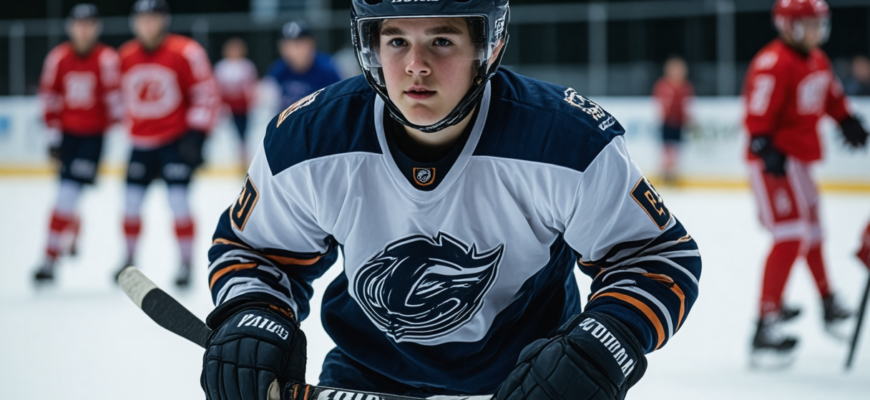
Playing hockey at an amateur level is an exhilarating experience that combines athleticism, strategy, and teamwork. However, one of the most overlooked aspects of safe and effective play is the proper fitting of equipment. Ill-fitting gear not only hampers performance but also significantly increases the risk of injury. This comprehensive guide aims to educate amateur hockey players on the most common equipment fit mistakes and provide practical solutions to ensure optimal safety, comfort, and performance on the ice.
Hockey is a high-impact sport that demands the correct gear to protect players and maximize their capabilities. Despite the importance of proper equipment fitting, many amateurs tend to overlook this aspect, leading to issues that could have been easily prevented. From helmets slipping during a game to pads restricting movement, improper fit can be a game-changer—unfavorably.
This article covers the common mistakes made in equipment fitting, explains why they matter, and offers step-by-step guidance to avoid these pitfalls, making your hockey experience safer and more enjoyable.
- Why Proper Equipment Fit Matters
- Common Equipment Fit Mistakes and How to Avoid Them
- Helmet Fitting Mistakes
- 1. Wearing an Ill-Fitting Helmet That Is Too Loose or Too Tight
- 2. Incorrect Helmet Size Selection
- Shoulder and Chest Pad Fit Mistakes
- 1. Oversized Shoulder Pads
- 2. Ill-Fitting Chest Protectors
- Padded Pants and Shin Guards
- 1. Tight or Loose Padded Pants
- 2. Improperly Sized Shin Guards
- Gloves and Elbow Pads Fitting Errors
- 1. Too Small or Too Large Gloves
- 2. Elbow Pads That Are Not Secured Properly
- Tips for Correct Equipment Fitting
- Summary Table: Key Tips for Proper Equipment Fitting
- Final Thoughts
Why Proper Equipment Fit Matters
Ensuring your hockey equipment fits correctly is crucial for several reasons:
- Protection: Properly fitting gear absorbs impact efficiently, reducing injury risk.
- Performance: Comfortable gear allows better mobility, agility, and confidence on the ice.
- Longevity: Correct fitting reduces wear and tear on equipment and maintains its protective qualities longer.
Conversely, poorly fitted gear can lead to discomfort, decreased mobility, and increased chances of injury, undermining the primary goal of equipment—to protect and enhance play.
Common Equipment Fit Mistakes and How to Avoid Them
Helmet Fitting Mistakes
1. Wearing an Ill-Fitting Helmet That Is Too Loose or Too Tight
The helmet is the cornerstone of head protection in hockey. An ill-fitting helmet can move excessively during a fall or collision, exposing the head to injury. Conversely, an overly tight helmet causes discomfort and headaches, which can distract during gameplay.
How to avoid this mistake: Choose a helmet that fits snugly but does not pinch or cause pressure points. When worn correctly, it should sit level on the head, covering the forehead without tilting backward or forward.
| Helmet Fit Checklist | Details |
|---|---|
| Snug Fit | The helmet should not move side to side or front to back when shaken gently. |
| Ear Covers | Review that earpieces fit comfortably around your ears without pressing uncomfortably. |
| Chin Strap | Fasten the chin strap tightly enough to prevent helmet movement but comfortably enough to talk or breathe easily. |
| Head Coverage | The helmet should extend to cover the forehead and the lower back of your head adequately. |
2. Incorrect Helmet Size Selection
Selecting the wrong helmet size is a prevalent mistake. Helmets come in various sizes, and each manufacturer may have slight differences. Using a helmet that is too big or small compromises safety.
Solution: Measure your head circumference at the widest point (just above the eyebrows and ears). Use the manufacturer’s sizing chart to select the appropriate size or try on multiple options to see what fits best.
Shoulder and Chest Pad Fit Mistakes
1. Oversized Shoulder Pads
Many amateurs opt for larger shoulder pads under the false belief that more coverage provides better protection. However, excessively loose pads can shift during gameplay, creating gaps and reducing protective efficacy.
How to avoid this: Shoulder pads should fit snugly around your shoulders, with the straps adjusted to prevent movement. They should cover the shoulders entirely without restricting arm movement.
2. Ill-Fitting Chest Protectors
Poor chest protector fit manifests as either too tight, causing discomfort, or too loose, leaving vital areas exposed. Proper fit ensures concussion and impact protection without sacrificing mobility.
Tip: Adjust straps so the protector stays in place during movement, and check that the bottom of the chest guard covers the rib cage adequately without restricting breathing.
Padded Pants and Shin Guards
1. Tight or Loose Padded Pants
Overly tight pants hinder movement and blood circulation, while loose pants shift in action, exposing vulnerable areas or causing discomfort. The goal is a fit that provides coverage without restricting mobility.
2. Improperly Sized Shin Guards
Shin guards should cover from the ankle to just below the knee cap, fitting snugly around the shin and calf. Incorrect sizing can lead to discomfort or inadequate protection.
Alignment: Measure from the top of the skate boot to just below the knee and select shin guards accordingly. Ensure straps are tight enough to prevent shifting but not so tight as to impair circulation.
Gloves and Elbow Pads Fitting Errors
1. Too Small or Too Large Gloves
Gloves that are too tight restrict finger movement, while loose gloves slide during play, exposing fingers and hands to injury. Proper glove fit allows flexibility and protection.
2. Elbow Pads That Are Not Secured Properly
Elbow pads that do not stay in place can leave elbows vulnerable and cause discomfort. They should fit snugly around the elbow with straps that hold them firmly.
Tips for Correct Equipment Fitting
- Conduct Regular Measurements: Prior to purchasing or adjusting gear, measure your body parts to match sizing charts accurately.
- Try Equipment In-Store or Using Fitting Guides: Whenever possible, test the gear on or use virtual fitting resources from manufacturers.
- Perform Dynamic Movements: Shake, bend, and simulate game actions to ensure gear stays in place and does not hinder movement.
- Seek Professional Advice: Coaches or experienced players can provide insights into optimal fit and comfort.
- Periodic Reassessment: Equipment may loosen or change shape over time—reassess fit regularly, especially after impacts or prolonged use.
Proper equipment fit is a fundamental aspect of safety and performance in amateur hockey. Avoiding common mistakes involves understanding the specific fit requirements for each piece of gear and taking the time to adjust and test equipment before stepping onto the ice. Well-fitted equipment enhances confidence, prevents injuries, and allows players to focus solely on improving their game.
By following the guidelines outlined in this article, amateur hockey enthusiasts can significantly improve their safety and enjoyment of the sport. Remember, the right gear and perfect fit are investments in a safe, comfortable, and successful hockey experience.
Summary Table: Key Tips for Proper Equipment Fitting
| Equipment | Common Mistake | Proper Fit Tips |
|---|---|---|
| Helmet | Too loose or too tight | Snug, level fit; secure chin strap; correct sizing based on head measurement |
| Shoulder Pads | Oversized or shifting | Snug around shoulders; straps adjusted tightly; coverage without restriction |
| Chest Protector | Too tight or loose | Secure straps; full coverage; comfortable breathing |
| Padded Pants | Too tight or loose | Proper length; comfortable snug fit |
| Shin Guards | Incorrect length or loose | Cover from ankle to below knee; straps tight enough to prevent shifting |
| Gloves | Too tight or loose | Allow good mobility; snug but not restrictive |
| Elbow Pads | Unsecured or loose | Snug fit around elbow; straps secure pads |
Final Thoughts
In the fast-paced and physical game of hockey, the significance of properly fitting equipment cannot be overstated. Not only does it foster safety and injury prevention, but it also enhances overall playing ability and confidence. Always prioritize correct fitting over style or brand preference and seek expert advice when needed. Remember, well-fitted gear is not an expense but an investment in long-term health and enjoyment of the sport.
Похожие записи:
 Essential Equipment for Outdoor Amateur Hockey Games: A Complete Guide
  How to Wear Your Helmet and Pads Safely: A Complete Guide for Amateur Hockey Players
  Ultimate Guide: Tips for Upgrading Amateur Hockey Equipment Safely
  Ultimate Guide to Essential Protective Equipment for Female Amateur Hockey Players
  Top Features to Look for in Amateur Hockey Masks: A Complete Guide for Enthusiasts
  The Benefits of Using a Complete Protective Gear Set for Amateur Hockey Players
  Ultimate Guide: How to Properly Fit and Adjust Your Shoulder Pads for Hockey Beginners
  The Ultimate Guide to Maintaining Your Hockey Equipment: Stay Safe and Improve Performance
  What to Look for When Buying Youth Hockey Jerseys: A Complete Guide for Enthusiasts
  Essential Helmet Safety Tips for Amateur Hockey Players: Protect Yourself on the Ice
  Starting with Beginner-Friendly Hockey Drills: A Complete Guide for Amateur Players
  Understanding the Different Types of Hockey Helmets: A Comprehensive Guide for Amateur Players
  Choosing the Right Hockey Stick for Beginners: A Complete Guide for Amateur Players
  Essential Ice Hockey Equipment Maintenance Tips: Keep Your Gear in Optimal Condition
  The Ultimate Guide to Disinfecting and Cleaning Hockey Equipment: Protect Your Gear and Stay Safe on the Ice
  Mastering the Fit: How to Properly Fit and Adjust Hockey Gloves for Optimal Performance