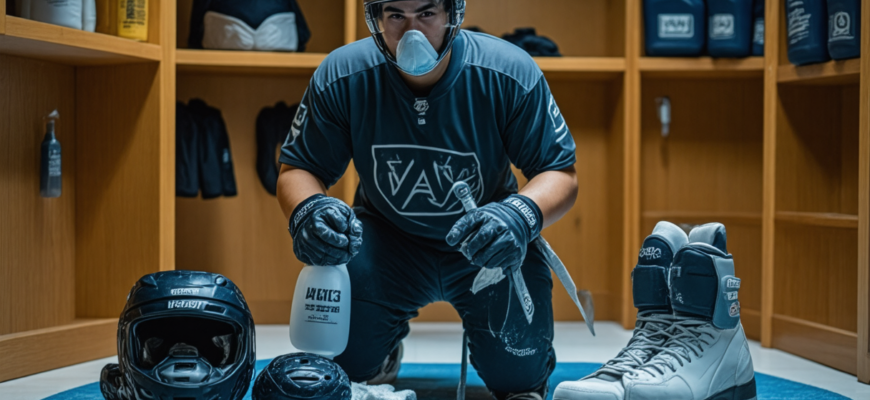
Hockey is an exhilarating sport that requires players to be at the top of their game—both physically and in maintaining their equipment. Proper disinfection and cleaning of hockey gear are essential not only for prolonging the lifespan of equipment but also for preventing bacterial growth, unpleasant odors, and potential health risks. Whether you’re a seasoned amateur or just starting out, understanding effective methods and best practices for cleaning hockey equipment can significantly enhance your playing experience. This comprehensive guide explores the most effective ways to disinfect and clean hockey gear to ensure safety, hygiene, and maximum performance.
- Why Proper Cleaning and Disinfection Are Crucial
- Understanding Different Types of Hockey Equipment
- Protective Gear
- Skates and Sticks
- Accessories and Miscellaneous Items
- General Principles of Cleaning and Disinfection
- Step-by-Step Methods for Cleaning and Disinfecting Hockey Equipment
- 1. Cleaning Helmets and Facemasks
- 2. Cleaning Gloves and Pads
- 3. Cleaning Skates
- 4. Cleaning and Disinfecting Sticks
- Effective Disinfectants and Cleaning Products
- Common Disinfectants Suitable for Hockey Gear
- Homemade Cleaning Solutions and Tips
- Special Considerations for Different Materials
- Cleaning Leather and Synthetic Materials
- Cleaning Fabric Parts and Padding
- Preventive Measures and Maintenance Tips
- Regularly Air Out Equipment
- Use Gear Bags with Ventilation
- Implement a Cleaning Schedule
- Additional Tips for Safe Disinfection
- Avoid Harsh Chemical Overuse
- Use Personal Protective Equipment (PPE)
- Dealing with Persistent Odors
- Summary Table: Cleaning and Disinfection Checklist
- Maintaining Your Hockey Equipment for Safety and Longevity
Why Proper Cleaning and Disinfection Are Crucial
Hockey equipment, including helmets, gloves, skates, pads, and sticks, is exposed to sweat, blood, dirt, and bacteria during gameplay. These contaminants create an environment conducive to germs, fungi, and unpleasant smells, which can lead to skin infections and respiratory issues. Regular cleaning and disinfection offer several benefits:
- Health Preservation: Reduces the risk of infections, rashes, and odors.
- Equipment Longevity: Maintains the integrity and durability of gear.
- Performance Enhancement: Properly maintained equipment ensures a better fit and optimal performance.
- Odor Control: Eliminates suffocating smells that can develop over time.
Understanding Different Types of Hockey Equipment
Protective Gear
Includes helmets, shoulder pads, elbow pads, gloves, shin guards, and pants. These items are often porous and prone to bacteria buildup.
Skates and Sticks
Though less porous, skates and sticks require regular cleaning to avoid damage and ensure proper function.
Accessories and Miscellaneous Items
Garters, mouthguards, and towels also need periodic cleaning to prevent bacteria accumulation.
General Principles of Cleaning and Disinfection
Effective cleaning involves removing dirt, sweat, and debris. Disinfection goes further to eliminate germs and bacteria. Here are the key principles:
- Clean First, Disinfect Second: Always clean gear thoroughly before disinfecting to ensure disinfectants reach bacteria on surfaces.
- Use Appropriate Products: Select disinfectants compatible with the gear material to prevent damage.
- Regular Maintenance: Clean equipment after each use and disinfect weekly or bi-weekly depending on usage frequency.
- Ensure Proper Drying: Completely dry gear after cleaning to prevent mold and mildew growth.
Step-by-Step Methods for Cleaning and Disinfecting Hockey Equipment
1. Cleaning Helmets and Facemasks
Helmets are essential safety gear that require careful cleaning to remove sweat and bacteria:
- Remove any removable padding or liners for separate cleaning.
- Wipe the helmet shell and facemask with a damp cloth soaked in warm water and mild soap.
- Use a soft brush to scrub crevices and vents.
- Apply a disinfectant spray suitable for plastics (e.g., isopropyl alcohol-based sprays) inside the helmet shell and facemask.
- Allow the gear to air dry completely before reuse.
2. Cleaning Gloves and Pads
Gloves and padding are hotspots for bacteria:
- Handwash gloves with mild soap and warm water, ensuring all surfaces are scrubbed thoroughly.
- For pads, spray or wipe down with a disinfectant solution or 70% isopropyl alcohol.
- Use a soft brush or cloth to clean fabric parts.
- Let everything air dry in a well-ventilated space. For padding, removing and washing covers separately enhances cleaning efficacy.
3. Cleaning Skates
Skates are exposed to dirt and moisture but require careful cleaning to avoid damaging the blades and boots:
- Wipe the boot exterior with a damp cloth and mild soap.
- Remove excess moisture with a dry cloth.
- Disinfect the interior using a spray disinfectant or a mixture of water and white vinegar (1:1 ratio).
- Dry thoroughly, especially around the sole and blade holder, using a cloth and letting them air dry.
- For the blades, carefully wipe to remove rust and dirt. Apply a thin layer of blade polish or oil for rust prevention.
4. Cleaning and Disinfecting Sticks
Sticks can harbor bacteria along the surface and in the cracks:
- Wipe the stick with a damp cloth dipped in a mild soap solution.
- Use a disinfectant spray to sanitize the entire surface.
- Dry with a clean cloth or microfiber towel.
- Sticks generally do not require deep cleaning but should be inspected regularly for damage or cracks.
Effective Disinfectants and Cleaning Products
Common Disinfectants Suitable for Hockey Gear
| Disinfectant | Key Features | Usage Recommendations |
|---|---|---|
| Isopropyl Alcohol (70% or higher) | Fast-drying, effective against bacteria and viruses | Spray onto surfaces; avoid excessive use on foam or padding |
| White Vinegar | Natural, antimicrobial properties | Dilute 1:1 with water; suitable for sanitizing hard surfaces |
| Disinfectant Sprays (e.g., Lysol, Clorox wipes) | Convenient and effective | Follow manufacturer instructions; ensure proper ventilation |
| Specialized Sports Equipment Cleaners | Designed for gear, gentle on materials | Use as directed; typically sprays or foams |
Homemade Cleaning Solutions and Tips
- Vinegar solution: Mix equal parts white vinegar and water to disinfect surfaces.
- Sodium bicarbonate solution: Add baking soda to water for deodorizing and cleaning.
- Essential oils: Add tea tree or eucalyptus oil to cleaning solutions for added antimicrobial effects.
Special Considerations for Different Materials
Cleaning Leather and Synthetic Materials
Leather requires gentle cleaning to avoid drying out or cracking:
- Use a damp cloth with mild soap or specialized leather cleaner.
- Apply leather conditioner after cleaning to maintain suppleness.
- Avoid soaking leather gear in water.
Cleaning Fabric Parts and Padding
- Hand wash or machine wash removable pads as per manufacturer instructions.
- Use gentle detergents and air dry thoroughly.
- Disinfect fabric parts using sprays designed for textiles.
Preventive Measures and Maintenance Tips
Regularly Air Out Equipment
After every practice or game, let gear air out in a well-ventilated area. Hang helmets, gloves, and pads to dry naturally. This process reduces moisture and prevents bacterial growth.
Use Gear Bags with Ventilation
Proper storage helps prevent musty odors and mold. Choose gear bags with ventilation panels or mesh compartments.
Implement a Cleaning Schedule
- After each use: wipe down and air out gear.
- Weekly: deep clean and disinfect all equipment.
- Monthly: inspect for damage and replace worn-out items.
Additional Tips for Safe Disinfection
Avoid Harsh Chemical Overuse
Excessive use of strong disinfectants can degrade gear materials, especially foam and plastics. Use products as directed and test on small areas first.
Use Personal Protective Equipment (PPE)
When handling disinfectants, wear gloves and ensure proper ventilation to prevent skin irritation or inhalation of fumes.
Dealing with Persistent Odors
If gear develops an unpleasant smell despite cleaning, consider:
- Soaking in a vinegar or baking soda solution.
- Using commercial odor-eliminating sprays or essential oils.
- Replacing heavily contaminated pads or liners.
Summary Table: Cleaning and Disinfection Checklist
| Gear Item | Cleaning Method | Disinfection Method | Frequency |
|---|---|---|---|
| Helmet & Facemask | Wipe with damp cloth, mild soap | Disinfectant spray, alcohol | After each use / Weekly |
| Gloves & Pads | Hand wash or spray disinfectant | Spray with disinfectant, air dry | After every use / Weekly |
| Skates | Wipe exterior, clean interior with vinegar solution | Disinfectant spray | After each use / Weekly |
| Sticks | Wipe with damp cloth | Disinfect spray | After each use / Monthly |
Maintaining Your Hockey Equipment for Safety and Longevity
Proper cleaning and disinfecting of hockey equipment are indispensable practices for every amateur player aiming to stay safe, hygienic, and perform at their best. By incorporating a regular cleaning routine, selecting the right products, and paying attention to the materials and specific gear requirements, players can significantly reduce health risks and extend the usability of their equipment. Remember, consistent maintenance not only fosters a cleaner playing environment but also ensures that gear remains in excellent condition for many seasons to come.
Always follow the manufacturer’s instructions for cleaning and disinfecting each item, and do not hesitate to invest in quality cleaning products designed explicitly for sports gear. With diligent care, hockey equipment can stay fresh, disinfected, and ready to help players enjoy the thrill of the game safely.
Похожие записи:
 The Ultimate Guide to Maintaining Your Hockey Equipment: Stay Safe and Improve Performance
  Ultimate Guide: How to Properly Clean and Maintain Your Hockey Gear
  Essential Ice Hockey Equipment Maintenance Tips: Keep Your Gear in Optimal Condition
  Ultimate Guide: Tips for Upgrading Amateur Hockey Equipment Safely
  Ultimate Guide to Essential Protective Equipment for Female Amateur Hockey Players
  Choosing a Suitable Hockey Bag for Amateur Players: The Ultimate Guide
  Essential Helmet Safety Tips for Amateur Hockey Players: Protect Yourself on the Ice
  Essential Equipment for Outdoor Amateur Hockey Games: A Complete Guide
  Ultimate Buying Guide for Beginners: How to Choose the Right Hockey Shoulder Pads
  Mastering Safety on Ice: How to Choose and Care for Your Hockey Helmet
  How to Avoid Common Equipment Fit Mistakes in Amateur Hockey: A Complete Guide
  The Benefits of Using a Complete Protective Gear Set for Amateur Hockey Players
  Mastering the Art of Hockey Pads: How to Choose the Perfect Gear for Amateur Players
  Ultimate Guide: How to Properly Fit and Adjust Your Shoulder Pads for Hockey Beginners
  Essential Safety Tips for Novice Players: Ensuring Safe and Enjoyable Hockey for Amateurs
  Ultimate Guide to Selecting the Right Hockey Pants for Beginners