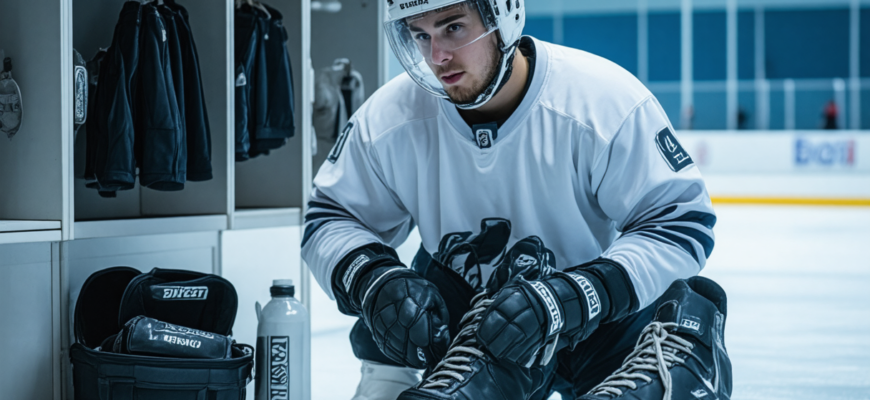
Hockey is a physically demanding sport that requires not only skill and agility but also the right equipment. Proper maintenance of hockey gear is essential for ensuring safety, prolonging the lifespan of equipment, and enhancing overall playing performance. Many amateurs underestimate the importance of routine care, often overlooking the potential risks associated with poorly maintained gear. This comprehensive guide explores why proper maintenance matters, how to do it effectively, and the benefits you can expect from investing time and effort into your hockey equipment care.
- Why is Proper Maintenance of Hockey Equipment Crucial?
- Safety First
- Prolongs Equipment Lifespan
- Enhances Performance
- Key Components of Hockey Equipment and Maintenance Tips
- Skates
- Importance of Well-Maintained Skates
- Maintenance Tips
- Helmets
- Safety and Maintenance
- Maintenance Tips
- Pads and Protective Gear
- Maintaining Padding and Protection
- Maintenance Tips
- Stick and Puck Accessories
- Care and Maintenance
- Maintenance Tips
- How to Properly Clean Your Hockey Equipment
- General Cleaning Procedures
- Step-by-Step Cleaning Process
- Specific Cleaning Tips for Different Materials
- Proper Storage of Hockey Equipment
- Optimal Storage Practices
- Dealing with Odors
- Preventive Measures and Tips for Long-Term Gear Care
- Common Mistakes to Avoid in Hockey Equipment Maintenance
- Summary and Final Thoughts
- Additional Resources
Why is Proper Maintenance of Hockey Equipment Crucial?
Safety First
In hockey, protective gear acts as the first line of defense against injuries. Damaged or poorly maintained equipment increases the risk of cuts, bruises, concussions, and other serious injuries. For instance, a cracked helmet or worn-out padding may fail to absorb shocks properly, exposing players to unnecessary danger. Regular inspection and maintenance help identify issues early, ensuring your gear performs optimally when it matters most.
Prolongs Equipment Lifespan
High-quality hockey equipment represents a significant investment. Proper care not only helps maintain its safety features but also extends the useful life of each item. This means less frequent replacements, ultimately saving money and ensuring consistent protection over your playing career.
Enhances Performance
Well-maintained gear, such as sharpened skates or properly fitted pads, can significantly improve gameplay. Equipment that fits correctly and is in optimal condition allows for better movement, agility, and control on the ice. Conversely, poorly maintained or damaged gear can hinder performance and reduce confidence during the game.
Key Components of Hockey Equipment and Maintenance Tips
Hockey gear includes several vital components, each requiring specific maintenance routines to ensure they serve their purpose effectively.
Skates
Importance of Well-Maintained Skates
Skates are arguably the most critical equipment for mobility and speed. Dull blades compromise agility, while poorly fitted boots can cause discomfort and injuries.
Maintenance Tips
- Blade Sharpening: Regularly sharpen blades based on frequency of use. A common rule is every 10-15 hours of play or when performance diminishes.
- Drying: After each session, wipe blades with a dry cloth to remove moisture, preventing rust.
- Off-Ice Storage: Use blade covers to protect edges when not in use and store skates in a dry, ventilated area.
- Boot Care: Clean the exterior with a damp cloth and regularly inspect for cracks or delamination.
Helmets
Safety and Maintenance
Helmets are vital for head protection. Proper maintenance helps retain shock absorption properties and fit.
Maintenance Tips
- Cleaning: Wipe with a damp cloth weekly. Use mild soap to remove sweat and dirt.
- Inner Padding: Remove and wash padding according to manufacturer’s instructions.
- Inspection: Check for cracks, loose straps, or broken vents. Replace if necessary.
Pads and Protective Gear
Maintaining Padding and Protection
Pads absorb impacts but can degrade over time, losing effectiveness.
Maintenance Tips
- Washing: Hand wash or machine wash (if permitted) with mild detergent. Air dry thoroughly.
- Inspection: Regularly examine for tears or deterioration. Replace damaged parts promptly.
- Storage: Keep gear dry and well-ventilated to prevent mold and odor.
Stick and Puck Accessories
Care and Maintenance
Sticks and pucks undergo frequent impact, leading to wear and damage.
Maintenance Tips
- Stick Care: Clean with a damp cloth after each use. Use repair kits for minor cracks.
- Pucks: Inspect for cracks or deformation and replace damaged pucks to ensure safety.
How to Properly Clean Your Hockey Equipment
General Cleaning Procedures
Effective cleaning involves removing sweat, dirt, and bacteria that accumulate over time, preventing odors and extending gear longevity.
Step-by-Step Cleaning Process
- Remove all removable padding and accessories.
- Wash padding and cloth parts with mild detergent in cold water.
- Wipe non-detachable parts with a damp cloth and mild soap.
- Dry everything thoroughly before storage; avoid direct sunlight to prevent material degradation.
- Disinfect helmets and hard plastics with specialized disinfectant sprays suitable for sports gear.
Specific Cleaning Tips for Different Materials
| Gear Part | Cleaning Method |
|---|---|
| Padding & Fabric | Hand wash or machine wash with gentle cycle, air dry |
| Plastic & Hard Shells | Wipe with damp cloth and mild soap; disinfect periodically |
| Skates Blades | Wipe with dry cloth, apply rust inhibitor, and store in blade guards |
| Helmets | Clean with moisture-absorbing wipes or damp cloth, avoid soaking |
Proper Storage of Hockey Equipment
Optimal Storage Practices
Keeping equipment in the right environment prevents deterioration, mold, and unpleasant odors.
- Dry Environment: Store gear in a well-ventilated space, away from direct sunlight and heat sources.
- Use of Gear Bags: Use specialized bags with ventilation to protect gear during transport and storage.
- Hanging and Airing Out: Hang pads and helmets periodically to allow air circulation.
Dealing with Odors
Even with proper storage, gear can develop odors. Use odor absorbers such as baking soda sachets or specialized sports deodorizing sprays.
Preventive Measures and Tips for Long-Term Gear Care
- Regular inspection to catch minor damages before they worsen.
- Maintain a cleaning schedule aligned with usage frequency.
- Replace worn-out or damaged parts promptly instead of risking safety.
- Always follow manufacturer instructions for cleaning and maintenance.
- Invest in quality gear that withstands regular use and is easy to maintain.
Common Mistakes to Avoid in Hockey Equipment Maintenance
- Neglecting Regular Inspection: Overlooking small damages can lead to severe injuries.
- Using Harsh Chemicals: Abrasive cleansers can degrade materials and reduce protective capabilities.
- Ignoring Proper Drying: Keeping gear damp promotes mold growth and rust formation.
- Overlooking Fit and Comfort: Equipment that no longer fits correctly diminishes safety and performance.
Summary and Final Thoughts
Maintaining hockey equipment is an essential aspect of safe and effective gameplay. Routine inspection, cleaning, and proper storage not only safeguard players but also extend the usability of gear, offering better performance and saving money. Amateur players should view gear maintenance as an integral part of their training routine, ensuring they get the most out of their equipment and enjoy the sport safely. Remember, investing time in caring for your hockey gear is an investment in your health, safety, and overall enjoyment of the game.
Additional Resources
- Hockey Equipment Care Tips from Professional Organizations
- Best Cleaning Products for Sports Gear
- How to Extend the Life of Your Hockey Skates
- Guide to Replacing Damaged Hockey Gear
Proper maintenance of hockey equipment is more than just a routine task—it is a crucial part of training that ensures safety, enhances performance, and prolongs the lifespan of gear. Whether you’re an amateur or a seasoned player, dedicate time regularly to care for your gear, and you’ll enjoy safer, more comfortable, and more effective gameplay on the ice. Make maintenance an integral part of your hockey life, and the benefits will be evident every time you step onto the ice.
Похожие записи:
 Essential Ice Hockey Equipment Maintenance Tips: Keep Your Gear in Optimal Condition
  Ultimate Guide: How to Properly Clean and Maintain Your Hockey Gear
  Choosing a Suitable Hockey Bag for Amateur Players: The Ultimate Guide
  Ultimate Guide to Selecting the Right Hockey Pants for Beginners
  Ultimate Guide: How to Fit Your Hockey Skates Correctly for Peak Performance
  Mastering the Fit: How to Properly Fit and Adjust Hockey Gloves for Optimal Performance
  Must-Have Gloves for Amateur Hockey Enthusiasts: Essential Protection and Performance
  Essential Equipment for Outdoor Amateur Hockey Games: A Complete Guide
  Ultimate Guide to Choosing the Most Comfortable Hockey Socks and Navigating League Regulations
  Mastering Safety on Ice: How to Choose and Care for Your Hockey Helmet
  Ultimate Guide: How to Properly Fit and Adjust Your Shoulder Pads for Hockey Beginners
  How to Stay Motivated as a Beginner Hockey Player: Tips for Amateur Enthusiasts
  The Importance of Proper Neck Guard Usage in Amateur Hockey
  Choosing the Best Hockey Elbow Pads for Comfort and Protection
  Essential Helmet Safety Tips for Amateur Hockey Players: Protect Yourself on the Ice
  Understanding the Different Types of Hockey Helmets: A Comprehensive Guide for Amateur Players