
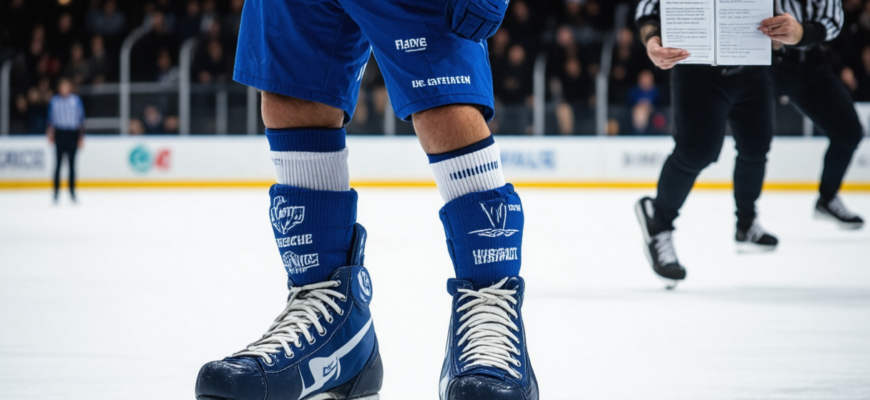
Hockey is a demanding sport that combines speed, agility, strength, and strategy. To perform at your best, especially in amateur leagues, every piece of equipment must be carefully selected, with a particular focus on comfort and compliance with league rules. Among the essential gear, hockey socks play a crucial role—not only protecting your legs and maintaining your uniform aesthetic but also impacting your overall mobility and performance on the ice. This comprehensive guide explores how to choose the most comfortable hockey socks while understanding league regulations to ensure compliance and safety.
- Understanding the Importance of Hockey Socks
- Historical Evolution of Hockey Socks
- Materials Used in Modern Hockey Socks
- Key Features of Comfortable Hockey Socks
- How to Choose the Most Comfortable Hockey Socks: Step-by-Step Guide
- Step 1: Measure Your Legs Correctly
- Step 2: Understand League Regulations
- Step 3: Choose the Right Fit
- Step 4: Select the Appropriate Material
- Step 5: Consider Additional Features
- Step 6: Try Them On
- Playing Safe: League Regulations on Hockey Socks
- What Do Regulations Cover?
- Common League Rules on Hockey Socks
- Tips for Maintaining Hockey Socks
- Innovations and Trends in Hockey Socks
- Summary: How to Make an Informed Choice
Understanding the Importance of Hockey Socks
Hockey socks serve various functions, from providing padding and protection to maintaining team uniformity. They cover the shin guards and part of the leg, helping to secure protective gear in place. Properly chosen hockey socks can prevent chafing, improve circulation, and enhance overall comfort during gameplay.
In amateur leagues, where players often manage their equipment independently, understanding the nuances of hockey socks is essential to avoid discomfort and ensure adherence to league standards. This section delves into why hockey socks matter and how they influence your game.
Historical Evolution of Hockey Socks
Traditionally, hockey socks evolved from mere fashion accessories to vital components of the uniform. Historically, they were knitted wool or similar materials, designed primarily for warmth and team identification. Over time, advancements in fabric technology transformed them into high-performance gear that balances comfort, durability, and protection.
Materials Used in Modern Hockey Socks
| Material | Features | Advantages |
|---|---|---|
| Polyester | Lightweight, moisture-wicking | Keeps skin dry, reduces chafing |
| Nylon | Durable, stretchable | Ensures longevity and flexibility |
| Spandex/Elastane | Elasticity, snug fit | Maintains compression, prevents slipping |
| Wool blends | Warmth, natural fibers | Comfort in colder environments, natural insulation |
The choice of material directly influences the sock’s comfort, moisture management, and durability. Modern hockey socks often combine these fabrics for optimal performance.
Key Features of Comfortable Hockey Socks
- Fit and Size: Proper sizing is crucial. Socks that are too tight can restrict circulation and cause discomfort, while loose socks may slide and expose protected areas.
- Compression: Good hockey socks often feature graduated compression to support leg muscles, reduce fatigue, and improve blood flow.
- Breathability: Ventilated zones or moisture-wicking fabrics prevent excessive sweating and keep skin dry.
- Padding and Reinforcement: Extra padding around specific areas, such as the shin, enhances comfort and protection.
- Seam Placement: Flatlock or seamless construction minimizes chafing and skin irritation.
How to Choose the Most Comfortable Hockey Socks: Step-by-Step Guide
Step 1: Measure Your Legs Correctly
Accurate measurements are the foundation for selecting the right size. Measure the circumference of your calf at its widest point, from the ankle to just below the knee. Also, record the length from your ankle to the knee cap.
Step 2: Understand League Regulations
Different amateur leagues have specific rules regarding hockey equipment, including socks. Familiarize yourself with these regulations to ensure your socks are compliant. Regulations typically specify_color schemes, stripe patterns, sock lengths, and materials.
Step 3: Choose the Right Fit
- Use sizing charts provided by manufacturers that correlate with your measured dimensions.
- Opt for socks with a snug fit that feels supportive without constricting circulation.
- Consider compression socks if your league permits; they improve circulation and support muscle recovery.
Step 4: Select the Appropriate Material
Based on climate and personal preferences, choose materials that balance breathability, durability, and comfort. Mix of polyester and nylon is common; consider wool blends for colder environments.
Step 5: Consider Additional Features
- Padding: Extra cushion around the shin area.
- Seamless or flatlock seams.
- Reinforced heel and toe zones for durability.
- Elastic bands or grip strips to keep socks in place.
Step 6: Try Them On
Before purchasing, try on the socks with your shin guards in place to ensure comfort and fit. Check for any pinching, slipping, or tightness.
Playing Safe: League Regulations on Hockey Socks
What Do Regulations Cover?
Amateur hockey leagues often specify norms regarding uniformity, safety, and player identification. Rules may include:
- Color and Design: Socks must match team jerseys or follow league-approved patterns.
- Length: Socks should extend to a specific height, usually just below the knee, to ensure shin guards are fully covered.
- Material Restrictions: Some leagues limit certain synthetic fabrics due to safety concerns or uniform standards.
- Additional Attachments: Socks should be worn in a way that they securely stay in place without requiring unsafe modifications.
Common League Rules on Hockey Socks
| Parameter | Typical Regulation | Implication for Players |
|---|---|---|
| Color | Matches team uniform colors | Choose socks that align with team branding |
| Length | Extend to just below the knee | Ensure proper sizing and coverage of shin guards |
| Material | Approved synthetic blends, avoid overly shiny or reflective fabrics | Opt for standard sports fabrics to meet league standards |
| Design | Allowed patterns include stripes, team logos, or solid colors as long as they stay within league guidelines | Confirm design compliance before purchasing |
Tips for Maintaining Hockey Socks
Proper maintenance not only prolongs the lifespan of your hockey socks but also maintains hygiene and comfort. Follow these simple practices:
- Wash socks after every game using mild detergent.
- Air dry or tumble dry on low heat to prevent fabric deterioration.
- Check for wear and tear regularly, especially around reinforced zones.
- Store socks flat or folded to retain their elasticity.
Innovations and Trends in Hockey Socks
The world of hockey gear continuously evolves, with new fabrics, design features, and manufacturing techniques emerging regularly. Some notable trends include:
- Moisture-wicking fabrics: Advanced textiles that draw sweat away from the skin.
- Compression technology: Enhanced muscle support and recovery features integrated into socks.
- Customizable designs: Personalization options for colors, logos, and patterns within league limits.
- Eco-friendly materials: Sustainable fabrics reducing environmental impact.
Summary: How to Make an Informed Choice
Choosing the most comfortable hockey socks involves a combination of accurate measurements, understanding league regulations, selecting appropriate materials, and prioritizing features that enhance comfort and performance. Remember:
- Always measure your legs precisely before selecting size.
- Ensure the design and materials meet league standards.
- Opt for socks with padding, compression, and breathable fabrics.
- Try on socks with your shin guards for optimal fit and comfort.
- Maintain your gear properly to extend its lifespan and ensure hygiene.
In amateur hockey, where equipment quality can directly influence your game, selecting the right socks becomes more than just a matter of style—it’s a critical aspect of training, safety, and comfort. By understanding the intricacies of materials, features, and league regulations, players can make informed choices that enhance their performance and enjoyment of the sport. Whether you’re a novice or seasoned amateur, the right pair of hockey socks can make a significant difference on the ice, keeping you comfortable, safe, and compliant with league standards.
Equip yourself with knowledge, choose quality gear, and step confidently onto the ice—your game depends on it.
Похожие записи:
 Choosing a Suitable Hockey Bag for Amateur Players: The Ultimate Guide
  Ultimate Guide to Selecting the Right Hockey Pants for Beginners
  Choosing the Best Hockey Elbow Pads for Comfort and Protection
  Ultimate Guide: How to Properly Fit and Adjust Your Shoulder Pads for Hockey Beginners
  Choosing the Right Hockey Stick for Beginners: A Complete Guide for Amateur Players
  The Importance of Proper Neck Guard Usage in Amateur Hockey
  What to Look for When Buying Youth Hockey Jerseys: A Complete Guide for Enthusiasts
  The Ultimate Guide to Maintaining Your Hockey Equipment: Stay Safe and Improve Performance
  Mastering the Art of Hockey Pads: How to Choose the Perfect Gear for Amateur Players
  Must-Have Gloves for Amateur Hockey Enthusiasts: Essential Protection and Performance
  Essential Equipment for Outdoor Amateur Hockey Games: A Complete Guide
  How to Wear Your Helmet and Pads Safely: A Complete Guide for Amateur Hockey Players
  Understanding the Different Types of Hockey Helmets: A Comprehensive Guide for Amateur Players
  Ultimate Guide: How to Properly Clean and Maintain Your Hockey Gear
  Ultimate Guide: How to Fit Your Hockey Skates Correctly for Peak Performance
  Essential Helmet Safety Tips for Amateur Hockey Players: Protect Yourself on the Ice