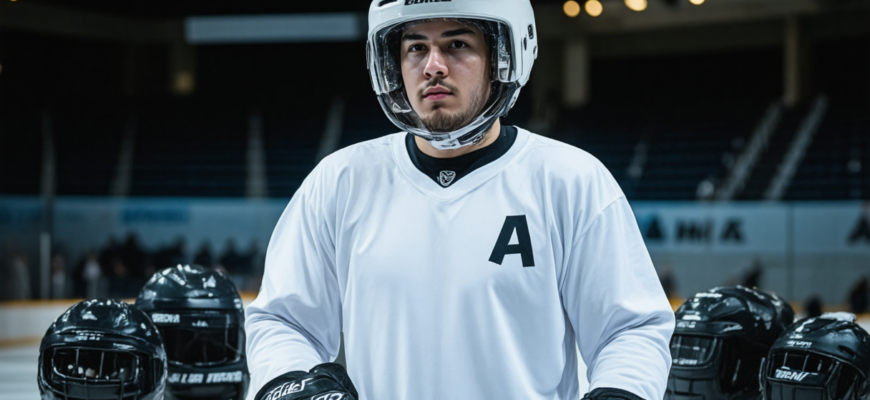
Hockey is a fast-paced, physically demanding sport that requires not only skill and agility but also proper safety measures to protect players from injuries. One of the most critical pieces of equipment in hockey safety gear is the helmet. With a variety of helmet types available, choosing the right one can seem daunting for amateur players. This comprehensive guide aims to explain the different types of hockey helmets, their features, and how to select the most suitable option for your level of play.
- Introduction to Hockey Helmets
- History and Evolution of Hockey Helmets
- Key Factors in Choosing a Hockey Helmet
- Types of Hockey Helmets
- 1. Standard Ice Hockey Helmets
- Main Features
- 2. Certified Protective Helmets
- Key benefits include:
- 3. Hybrid Helmets (Combination of Helmet and Visor/Cage)
- Advantages of hybrid helmets:
- 4. Full-Face Helmets
- Features include:
- 5. Specialized Helmets for Goalies
- Characteristics:
- Materials Used in Hockey Helmets
- Safety Standards and Certifications
- How to Properly Fit a Hockey Helmet
- Additional Protective Accessories
- Maintenance and Care of Hockey Helmets
- Cost Considerations and Budgeting
- Summary: Choosing the Right Helmet for Amateur Hockey
Introduction to Hockey Helmets
Hockey helmets are designed to absorb and disperse the impact force during falls, collisions, and puck strikes. They serve to protect key areas such as the head, face, and neck, reducing the risk of traumatic brain injuries, concussions, and facial injuries. Over the years, helmet technology has advanced significantly, offering enhanced safety, comfort, and customization options.
History and Evolution of Hockey Helmets
The use of helmets in ice hockey became widespread only in the late 20th century, as awareness of head injuries increased. Early helmets were simple leather caps, but modern helmets are crafted with high-impact resistant plastics and foam padding, conforming to strict safety standards. Innovations like visors, cages, and ventilation systems have further improved player safety and comfort.
Key Factors in Choosing a Hockey Helmet
Before delving into the types of helmets, it is essential to understand what factors influence a good helmet choice:
- Safety Standards: Helmets must meet standards set by organizations such as HECC (Hockey Equipment Certification Council) or CSA (Canadian Standards Association).
- Fit and Comfort: Proper fit ensures maximum protection and comfort, preventing the helmet from moving during play.
- Level of Play: Recreational, amateur, or competitive players may require different helmet features.
- Additional Features: Ventilation, adjustable straps, visors, and cages.
Types of Hockey Helmets
Hockey helmets generally fall into a few primary categories based on design, purpose, and additional protective features. Each type caters to different levels of play, safety requirements, and player preferences.
1. Standard Ice Hockey Helmets
These are the most common helmets used in recreational and amateur hockey leagues. They provide essential head protection with a hard outer shell and foam padding inside. Most standard helmets meet safety standards and are suitable for beginners and casual players.
Main Features
- Made from durable plastic or polycarbonate shells
- Foam liner for impact absorption
- Adjustable straps for secure fit
- Basic air vents for ventilation
- Optional visors or cages for facial protection
2. Certified Protective Helmets
These helmets explicitly meet safety standards such as HECC or CSA. They often incorporate enhanced padding, better impact distribution, and secure fit systems. They are highly recommended for amateur players who want increased safety margin.
Key benefits include:
- Better impact resistance
- Advanced fit systems (dial adjustment, multi-strap configurations)
- Improved ventilation and moisture-wicking liners
- Compatibility with face shields and cages
3. Hybrid Helmets (Combination of Helmet and Visor/Cage)
Hybrid helmets integrate a traditional helmet shell with a built-in visor or cage system. This design offers a combination of frontal facial protection and impact resistance for the head. They are often used in amateur leagues where some face protection is mandatory.
Advantages of hybrid helmets:
- Enhanced facial protection without sacrificing comfort
- Streamlined design reduces bulkiness
- Easy to adjust and maintain
4. Full-Face Helmets
Full-face helmets provide maximum protection by covering the entire head and face. They are frequently used in youth leagues, high-impact amateur leagues, or by players with prior injuries. These helmets often come with robust cages or visors to prevent facial injuries.
Features include:
- Full coverage of head and face
- Integrated cage or shield
- Reinforced chin guards and neck protection
5. Specialized Helmets for Goalies
Goalie helmets are distinct from skater helmets due to their larger structure, extra padding, and unique design tailored for goalkeepers. They usually feature a broader facial cage, additional padding, and excellent ventilation to withstand the high-impact nature of goalie play.
Characteristics:
- Broader visor area
- Reinforced protection around the head and neck
- Optimized weight distribution for comfort during prolonged use
Materials Used in Hockey Helmets
Modern hockey helmets are constructed from a combination of materials designed to maximize impact resistance and comfort. Understanding these materials can help players select helmets aligned with their needs and playing conditions.
| Material | Purpose | Advantages |
|---|---|---|
| Polycarbonate | Outer shell | High impact resistance, lightweight, durable |
| Expanded Polystyrene Foam (EPS) | Impact liner | Absorbs shock, lightweight, energy dispersing |
| Rubber or Vinyl | Padding and interior lining | Comfort, moisture-wicking, additional cushioning |
| Polymer composites and Fiberglass | Higher-end shells | Enhanced strength-to-weight ratio, durability |
Safety Standards and Certifications
Ensuring that a hockey helmet meets recognized safety standards is critical for effective protection. The main safety certifications include:
- HECC Certification: Approved by the U.S. Hockey Equipment Certification Council, indicating the helmet has passed impact tests designed for hockey equipment.
- CSA Certification: Canadian Standard Association approval, ensuring compliance with Canadian safety standards.
- CE Marking: Indicates conformity with European safety legislation, more common in imported adult helmets.
Always check for certified markings on the helmet before purchasing, especially if safety is a priority.
How to Properly Fit a Hockey Helmet
A properly fitted helmet is vital for effective protection. The following steps outline how to find the right fit:
- Place the helmet level on your head, covering the forehead comfortably without pressing too tightly or feeling loose.
- Adjust the chin strap so that it creates a snug fit under the chin, allowing you to open your mouth comfortably.
- Ensure the helmet does not shift side-to-side or front-to-back when you move your head.
- Check that the helmet’s padding feels even around your head, with no pressure points.
- Verify that the helmet’s straps are securely fastened but not restrictive.
Additional Protective Accessories
Many amateur players enhance their helmet protection and comfort with accessories such as:
- Visors: Clear or tinted shields that protect the eyes while maintaining visibility.
- Cages: Metal or plastic face masks that prevent facial injuries.
- Headbands and padding inserts: Improve comfort and fit, especially for longer games.
Maintenance and Care of Hockey Helmets
Proper maintenance extends the lifespan of a helmet and maintains its protective capabilities. Key tips include:
- Regularly inspect for cracks, dents, or broken straps.
- Clean the interior padding with mild soap and water, allowing it to dry thoroughly.
- Avoid exposing the helmet to extreme heat or direct sunlight for prolonged periods.
- Replace the helmet after a significant impact or when it shows signs of wear.
Cost Considerations and Budgeting
The price of hockey helmets varies widely based on features, safety standards, and materials. Budget options for beginners can start as low as $30-$50, while high-end models with advanced features may cost $150 or more. When selecting a helmet, balance safety, comfort, and budget to find the best option for your level of play.
Summary: Choosing the Right Helmet for Amateur Hockey
To ensure maximum safety and comfort while playing hockey as an amateur, players need to select a helmet that fits properly, meets safety standards, and suits their level of play. Understanding the types of helmets, materials used, and additional features helps in making an informed decision. Remember, investing in a quality helmet can significantly reduce the risk of serious injuries and enhance the overall hockey experience.
Hockey helmets are an essential part of the protective gear designed to keep players safe during the game. With various types tailored to different needs—ranging from basic models to full-face protection—amateur players should prioritize safety standards, fit, and comfort. Staying informed about the latest helmet technologies and proper maintenance practices ensures that players are well-protected, allowing them to enjoy the sport responsibly and confidently.
Embrace the knowledge of different helmet types and choose the right gear in line with your playing level. Properly fitted and maintained helmets not only safeguard your health but also enhance your overall performance and enjoyment of hockey. Safe play is the path to a long and passionate hockey journey!
Похожие записи:
 Essential Helmet Safety Tips for Amateur Hockey Players: Protect Yourself on the Ice
  How to Wear Your Helmet and Pads Safely: A Complete Guide for Amateur Hockey Players
  Mastering Safety on Ice: How to Choose and Care for Your Hockey Helmet
  The Benefits of Using a Complete Protective Gear Set for Amateur Hockey Players
  Understanding Ice Rink Markings and Zones: A Guide for Amateur Hockey Enthusiasts
  The Essential Role of Hip Pads in Amateur Hockey Safety
  Must-Have Gloves for Amateur Hockey Enthusiasts: Essential Protection and Performance
  Essential Equipment for Outdoor Amateur Hockey Games: A Complete Guide
  Choosing a Suitable Hockey Bag for Amateur Players: The Ultimate Guide
  Mastering the Art of Hockey Pads: How to Choose the Perfect Gear for Amateur Players
  The Importance of Proper Neck Guard Usage in Amateur Hockey
  Choosing the Right Hockey Stick for Beginners: A Complete Guide for Amateur Players
  Mastering the Ice: A Comprehensive Guide to the Basic Rules of Ice Hockey for Beginners
  Ultimate Guide to Selecting the Right Hockey Pants for Beginners
  Choosing the Best Hockey Elbow Pads for Comfort and Protection
  The Ultimate Guide to Maintaining Your Hockey Equipment: Stay Safe and Improve Performance