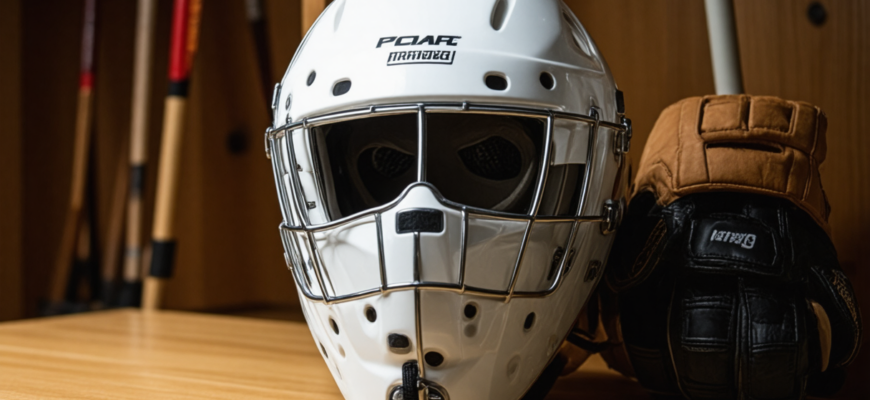
Choosing the right hockey mask is a critical decision for amateur players looking to enjoy the game safely and comfortably. With a vast array of options available on the market, it can be overwhelming to determine which features truly matter. Whether you’re just starting out or looking to upgrade your protective gear, understanding the essential qualities of a high-quality hockey mask is vital. This comprehensive guide explores the top features to consider, ensuring you make an informed choice that enhances your safety, comfort, and performance on the ice.
- Understanding the Importance of a Well-Designed Hockey Mask
- Core Features to Consider When Selecting an Amateur Hockey Mask
- 1. Material and Construction
- 2. Fit and Comfort
- 3. Visibility and Field of View
- 4. Ventilation and Breathability
- 5. Helmet Compatibility
- 6. Protection Level and Certification
- 7. Weight and Balance
- 8. Aesthetic and Customization Options
- Additional Features to Enhance Safety and Functionality
- 1. Removable and Replaceable Parts
- 2. Impact Absorption Technologies
- 3. Integration of Visors or Shields
- Choosing the Right Mask: Step-by-Step Guide
- Comparison Table of Popular Amateur Hockey Masks
- Maintenance and Care Tips for Hockey Masks
- Making an Informed Choice
- Additional Resources
Understanding the Importance of a Well-Designed Hockey Mask
Hockey is a high-impact sport that involves frequent collisions, puck strikes, and falls. An effective mask not only provides maximum protection but also ensures unrestricted visibility, comfort, and mobility. A poorly chosen mask can lead to injuries, discomfort, or hindered performance. Therefore, knowing what features to prioritize is pivotal for every amateur player.
Core Features to Consider When Selecting an Amateur Hockey Mask
1. Material and Construction
Material quality directly influences the durability, safety, and weight of a hockey mask. Most masks are constructed from high-impact polycarbonate or composite materials. Polycarbonate offers excellent impact resistance while remaining lightweight, making it a popular choice among amateurs. Composite materials, often reinforced with fiberglass or carbon fiber, provide enhanced protection but tend to be slightly heavier and more expensive.
- Impact Resistance: The primary criterion, ensuring the mask withstands pucks, sticks, and falls.
- Weight: Lighter masks reduce fatigue and improve agility during gameplay.
- Durability: Long-lasting materials resist cracking and other forms of damage over time.
2. Fit and Comfort
A mask must fit snugly without causing discomfort. Ill-fitting masks can shift during play, leading to exposure risks or distractions. To ensure proper fit, look for:
| Feature | Description |
|---|---|
| Adjustable Straps | Enables a personalized fit around the head and face, preventing movement or slipping. |
| Cushioning Interior | Soft foam padding aligns with facial contours, reduces pressure points, and enhances comfort. |
| Mask Size | Available in various sizes; choose according to head circumference and face shape. |
3. Visibility and Field of View
Clear and wide visibility is crucial for tracking puck movement and assessing the game. Look for masks with large, unobstructed viewing areas and anti-fog coatings to prevent fogging during play. Some masks feature multiple or adjustable vents for better airflow and vision.
4. Ventilation and Breathability
Proper airflow minimizes sweating and fogging, enhancing comfort and safety. Masks equipped with strategically placed vents facilitate continuous air circulation. Additionally, moisture-wicking interior padding helps manage perspiration effectively.
5. Helmet Compatibility
Most amateur players wear helmets along with masks. Compatibility depends on the mask’s attachment points and internal fittings. Check whether the mask is designed for standard helmet sizes and attachment mechanisms to ensure secure integration.
6. Protection Level and Certification
Ensure that the mask meets safety standards, such as NOCSAE (National Operating Committee on Standards for Athletic Equipment) certification or equivalent. These standards guarantee the mask’s ability to absorb impacts and protect the face and head effectively.
7. Weight and Balance
A lightweight mask reduces neck strain and fatigue, permitting longer play without discomfort. Proper weight distribution also enhances balance, preventing the mask from shifting during quick movements.
8. Aesthetic and Customization Options
While safety is paramount, appearance matters for many players. Masks are available in various colors and designs. Some manufacturers offer customization options, allowing players to express personal style or team colors.
Additional Features to Enhance Safety and Functionality
1. Removable and Replaceable Parts
Removable face shields or guards permit easy cleaning and replacement after damage, extending the lifespan of the mask. Check whether interior padding and straps are replaceable for maintaining hygiene and fit over time.
2. Impact Absorption Technologies
Advanced masks incorporate impact-absorbing layers or foam inserts designed to dissipate energy from blows, minimizing the risk of facial injuries. Some masks feature multi-layer constructions combining different materials for superior protection.
3. Integration of Visors or Shields
Many amateur masks come with integrated visors or removable facial shields for additional protection against sticks, pucks, and debris. Ensure that such features do not obstruct visibility or airflow.
Choosing the Right Mask: Step-by-Step Guide
- Determine Your Size: Measure head circumference and face dimensions to select the right mask size.
- Prioritize Safety Certifications: Confirm compliance with recognized safety standards.
- Assess Fit and Comfort: Try masks with your helmet to ensure compatibility and comfort.
- Evaluate Visibility and Ventilation: Opt for models with wide viewing angles and good airflow.
- Consider Personal Preferences: Choose design, color, and additional features that match your style.
- Set a Budget: Balance features and price, aiming for the best protection within your budget.
Comparison Table of Popular Amateur Hockey Masks
| Model | Material | Weight | Features | Price Range |
|---|---|---|---|---|
| ProShield HX | Polycarbonate | 900g | Adjustable straps, anti-fog visor, impact-resistant | $100–$150 |
| IceMaster Defender | Composite (Fiberglass reinforced) | 1,200g | Enhanced impact absorption, wide field of view, ventilation | $150–$200 |
| FastTrack Elite | Polycarbonate with foam padding | 850g | Customizable design, lightweight, removable padding | $120–$180 |
Maintenance and Care Tips for Hockey Masks
Proper maintenance extends the lifespan of your mask and ensures continued safety. Follow these tips for optimal care:
- Regular Cleaning: Wipe down the exterior with a damp cloth after games. Clean interior padding with mild soap and water, and allow it to air dry.
- Inspection: Check straps, foam padding, and visors regularly for wear or damage.
- Replacement Parts: Replace worn-out padding, straps, or visors promptly.
- Storage: Store in a cool, dry place away from direct sunlight to prevent material degradation.
Making an Informed Choice
Selecting the right amateur hockey mask involves balancing safety, comfort, visibility, and personal preferences. Prioritizing features such as impact resistance, fit, ventilation, and compliance with safety standards will help prevent injuries and improve overall playing experience. By carefully evaluating available options and maintaining your gear properly, amateur players can enjoy the game more safely and confidently, building skills and love for hockey along the way.
Additional Resources
Remember, investing in a high-quality mask is an investment in your safety and enjoyment of amateur hockey. Take the time to research, try on different models, and choose the best protective gear suitable for your level and style of play. Staying protected ensures many more years of exciting games and memorable moments on the ice.
Похожие записи:
 What to Look for When Buying Youth Hockey Jerseys: A Complete Guide for Enthusiasts
  Understanding the Different Types of Hockey Helmets: A Comprehensive Guide for Amateur Players
  Essential Equipment for Outdoor Amateur Hockey Games: A Complete Guide
  Must-Have Gloves for Amateur Hockey Enthusiasts: Essential Protection and Performance
  How to Wear Your Helmet and Pads Safely: A Complete Guide for Amateur Hockey Players
  Ultimate Guide to Essential Protective Equipment for Female Amateur Hockey Players
  How to Avoid Common Equipment Fit Mistakes in Amateur Hockey: A Complete Guide
  Basic Strategies for Beginner Hockey Players: A Complete Guide for Amateur Enthusiasts
  The Benefits of Using a Complete Protective Gear Set for Amateur Hockey Players
  Lightweight Protective Gear Options for Younger Players: Ensuring Safety Without Compromising Mobility
  Choosing the Right Hockey Stick for Beginners: A Complete Guide for Amateur Players
  Understanding Ice Rink Markings and Zones: A Guide for Amateur Hockey Enthusiasts
  Mastering Safety on Ice: How to Choose and Care for Your Hockey Helmet
  Essential Helmet Safety Tips for Amateur Hockey Players: Protect Yourself on the Ice
  Ultimate Buying Guide for Beginners: How to Choose the Right Hockey Shoulder Pads
  Ultimate Guide: Tips for Upgrading Amateur Hockey Equipment Safely