
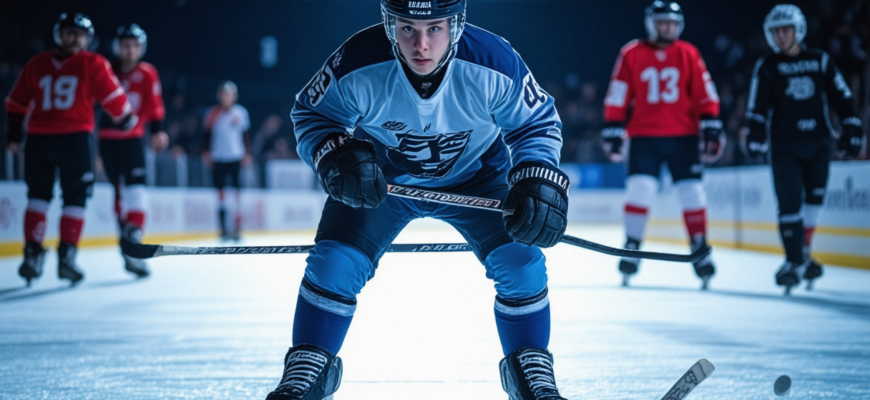
Hockey is a fast-paced, dynamic sport that demands agility, balance, and precise control from its players. At the core of effective gameplay lies a fundamental aspect that often determines success or failure—proper body positioning and stance. For amateurs and newcomers to the sport, understanding the principles behind proper stance not only enhances safety but also boosts performance, allowing players to move confidently, intercept pucks, and maintain control in high-pressure situations.
- Why Is Body Positioning and Stance Crucial in Hockey?
- Fundamental Principles of Proper Body Position in Hockey
- 1. Low Center of Gravity
- 2. Bent Knees and Slight Forward Lean
- 3. Shoulder Width and Wide Feet
- 4. Relaxed Upper Body
- Step-by-Step Guide to Adopting the Ideal Hockey Stance
- Step 1: Position Your Feet Correctly
- Step 2: Bend Your Knees
- Step 3: Lean Forward Slightly
- Step 4: Keep Your Head Up
- Step 5: Position Your Hands for Control
- Detailed Breakdown of the Hockey Stance in a Table
- Common Mistakes to Avoid in Body Positioning
- Drills to Improve Your Basic Body Position and Stance
- 1. Static Stance Hold
- 2. Movement Transitions
- 3. Reaction Drills
- Adapting Your Stance for Different Situations
- Defensive Stance
- Offensive or Forward Stance
- Checking and Physical Battles
- The Key to Unlocking Better Hockey Performance
- Additional Tips for Success
Why Is Body Positioning and Stance Crucial in Hockey?
In hockey, the way a player holds their body directly influences speed, balance, agility, and ability to react quickly. A proper stance acts as the foundation for all other skills such as skating, shooting, passing, and checking. Without solid body positioning, even the most talented players may find themselves off-balance or slow to respond during critical moments.
Good stance provides:
- Enhanced Stability: Keeps the player balanced during intense skating or physical contact.
- Improved Mobility: Facilitates quick transitions from defense to offense or vice versa.
- Optimal Puck Control: Maintains better control over the puck in contests and board battles.
- Injury Prevention: Reduces risk by ensuring proper weight distribution and posture.
Fundamental Principles of Proper Body Position in Hockey
Understanding and practicing the fundamental principles of body positioning is essential for any hockey player. These principles are rooted in biomechanics and allow players to react swiftly and stay balanced in unpredictable game situations.
1. Low Center of Gravity
Maintaining a low stance ensures better stability and balance. When the center of gravity is lowered, players can distribute their weight evenly and resist being pushed off balance by opponents or puck contact. This stance makes it easier to accelerate, decelerate, and turns sharply.
2. Bent Knees and Slight Forward Lean
Proper stance involves slightly bending the knees and leaning forward from the hips. This position shifts the player’s weight forward, improving responsiveness and allowing quick starts and stops. The forward lean should be natural—not exaggerated—to avoid fatigue or loss of control.
3. Shoulder Width and Wide Feet
Positioning the feet shoulder-width apart or slightly wider provides a stable base. When feet are spaced correctly, movement becomes efficient, and the player can easily shift weight from one side to another without losing balance.
4. Relaxed Upper Body
While the lower body remains firm, the upper body should stay relaxed, allowing free movement of the arms and torso. Tension in the shoulders or arms can hinder quick reactions and lead to fatigue.
Step-by-Step Guide to Adopting the Ideal Hockey Stance
Step 1: Position Your Feet Correctly
Begin by standing with your feet approximately shoulder-width apart. For stability, some players prefer a slightly wider stance. Position your toes pointing slightly outward—about 15–20 degrees—to facilitate easier turning and edging.
Step 2: Bend Your Knees
Lower yourself by bending the knees, aiming for a comfortable yet effective angle—typically around 45 degrees. The bend should be enough to feel engaged but not so deep as to restrict movement or cause discomfort.
Step 3: Lean Forward Slightly
Leaning forward from the hips ensures your weight is balanced over the balls of your feet. Keep your back straight, avoiding hunching, which can compromise posture and power.
Step 4: Keep Your Head Up
Always maintain a look ahead, not down at the puck or ice. This allows better awareness of surroundings, teammates, opponents, and upcoming plays.
Step 5: Position Your Hands for Control
Hold your stick with a relaxed grip, keeping the hands shoulder-width apart. The top hand should be near the top of the stick, with the bottom hand about halfway down. This ensures flexibility for quick stickhandling and shooting.
Detailed Breakdown of the Hockey Stance in a Table
| Aspect | Ideal Position | Purpose / Benefit |
|---|---|---|
| Foot Position | Shoulder-width apart, toes pointing slightly outward | Stability and ease of turning |
| Knee Bend | Approximately 45 degrees | Balance, agility, quick starts/stops |
| Body Lean | Forward from hips, keeping back straight | Responsiveness, maintaining center of gravity |
| Head Position | Up, looking forward | Situational awareness |
| Hand Position | Relaxed grip, hands shoulder-width | Control, flexibility in stickhandling |
Common Mistakes to Avoid in Body Positioning
- Standing Too Upright: Leads to poor balance and slower reactions.
- Over-bending Knees: Causes fatigue and limits mobility.
- Leaning Too Far Forward: Shifts the center of gravity excessively and risks falling forward.
- Holding the Stick Tightly: Limits wrist flexibility and quick stick movements.
- Looking Down: Reduces awareness and increases collision risks.
Drills to Improve Your Basic Body Position and Stance
Consistent practice enhances muscle memory, making proper stance automatic during games. Here are some effective drills:
1. Static Stance Hold
- Get into the proper stance as described above.
- Hold this position for 30 seconds to 1 minute.
- Focus on keeping knees bent, back straight, and weight forward.
- Repeat 3-5 times.
2. Movement Transitions
- Start in the stance.
- Push off with one foot to skate forward for 5 meters.
- Return to the stance position slowly.
- Practice switching from a standstill to forward/sideways/backward skating while maintaining correct posture.
3. Reaction Drills
- Stand in the stance.
- The coach or partner signals directions (left, right, forward, backward).
- Respond by moving quickly in the indicated direction while staying in proper stance.
- Focus on quick, controlled movements.
Adapting Your Stance for Different Situations
A basic stance is foundational, but players should adapt based on specific game situations:
Defensive Stance
- Lower knees more deeply for stability.
- Widen the feet slightly.
- Keep eyes on the puck and opponents.
Offensive or Forward Stance
- Maintain a slight forward lean to generate power in skating and shooting.
- Stay on the balls of your feet for quick acceleration.
Checking and Physical Battles
- Lower your stance even more.
- Keep your center of gravity centered and stable.
- Use proper body mechanics to prevent injuries.
The Key to Unlocking Better Hockey Performance
Mastering the basic body positioning and stance is essential for any amateur hockey player aiming to improve their game. It serves as the technical backbone for effective skating, puck control, and physical engagement. Regular practice, awareness, and refinements tailored to specific in-game situations will help players develop confidence and competence on the ice. Remember that a solid stance not only enhances performance but also ensures safety, ultimately contributing to a more enjoyable and successful hockey experience.
Additional Tips for Success
- Stay Relaxed: Tension impairs movement; keep muscles relaxed.
- Maintain Flexibility: Stretch regularly to improve range of motion.
- Watch Professionals: Observe skilled players to see how they adapt their stance.
- Seek Feedback: Work with coaches or experienced players for constructive tips.
By gradually integrating these principles into practice routines and games, amateur players can develop a strong foundational stance, paving the way for more advanced skills and greater enjoyment of hockey.
Похожие записи:
 Mastering the Ice: A Comprehensive Guide to the Basic Rules of Ice Hockey for Beginners
  Mastering the Ice: Basic Skating Techniques Every New Hockey Player Must Know
  Mastering Hockey Stick Handling: Essential Techniques for Beginners
  Mastering the Basics: Wrist Shot and Slap Shot Techniques in Hockey for Amateurs
  Mastering Faceoff Techniques: A Comprehensive Guide for Amateur Hockey Enthusiasts
  Basic Strategies for Beginner Hockey Players: A Complete Guide for Amateur Enthusiasts
  Mastering the Art of Reading the Game in Hockey: A Guide for Amateurs
  Mastering Speed and Control in Skating: The Ultimate Guide for Amateur Hockey Players
  Ultimate Guide: How to Properly Fit and Adjust Your Shoulder Pads for Hockey Beginners
  Mastering the Art of Effective Ice Stops: Essential Techniques for Amateur Hockey Players
  Starting with Beginner-Friendly Hockey Drills: A Complete Guide for Amateur Players
  Mastering Hockey Shooting Techniques from Different Angles: A Guide for Amateurs
  Essential Stickhandling Drills for New Hockey Players: Improve Your Skills on Ice
  Mastering Balance and Stability: Essential Techniques for Amateur Hockey Players
  Mastering Passing and Receiving the Puck: Essential Skills for Amateur Hockey Players
  Conquer Your First Ice Hockey Fears: Essential Tips for Beginners