
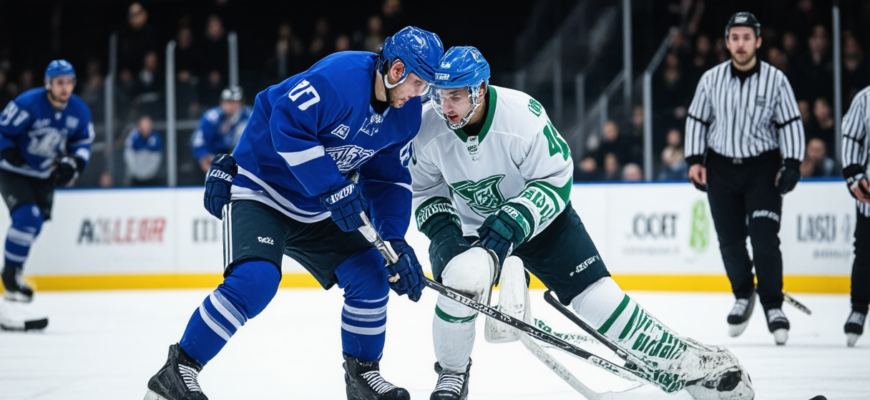
Hockey is often described as a fast-paced and dynamic sport that demands not only physical skill but also a keen understanding of the game’s nuances. For amateur players and enthusiasts, learning how to effectively read the game can be a game-changer, significantly enhancing performance and enjoyment on the ice. This comprehensive guide aims to elucidate the principles and strategies behind reading hockey gameplay, helping players develop an instinctive sense of the game and elevate their overall hockey IQ.
- Understanding the Importance of Reading the Game
- Fundamental Concepts of Reading Hockey
- 1. Recognizing Patterns and Tendencies
- 2. Watching Player Body Language
- 3. Understanding Puck and Player Movements
- Practical Techniques for Improving Game Reading Skills
- 1. Focused Observation During Play
- 2. Video Analysis and Replay Watching
- 3. Simulated Game Scenarios
- Techniques to Enhance Anticipation and Reaction
- 1. Improving Peripheral Vision
- 2. Developing Pattern Recognition
- 3. Reaction Time Drills
- Factors That Affect Effective Game Reading
- Common Mistakes and How to Avoid Them
- 1. Overreacting to Every Play
- 2. Focusing Solely on the Puck
- 3. Ignoring Teammates’ Cues
- Developing a Personal Strategy for Reading the Game
Understanding the Importance of Reading the Game
Before diving into specific techniques, it is crucial to understand why reading the game is essential. In hockey, success often hinges on anticipation, positioning, and decision-making. A player who can foresee opponents’ moves, predict puck movements, and adapt their positioning accordingly gains a significant advantage. This foresight can lead to:
- Intercepting passes
- Creating scoring opportunities
- Supporting teammates effectively
- Preventing opponent attacks
In essence, reading the game transforms a reactive player into a proactive one, often making the difference between winning and losing.
Fundamental Concepts of Reading Hockey
1. Recognizing Patterns and Tendencies
Every team develops certain patterns and strategies. Skilled players learn to identify these tendencies through observation of their opponents’ positioning, movement, and decision-making. For example:
- Does a particular forward prefer to cut inside before shooting?
- Does a defenseman frequently pinch near the blue line?
- Are certain players more likely to pass or shoot under pressure?
By understanding these tendencies, players can anticipate actions and position themselves proactively.
2. Watching Player Body Language
Body language is a vital cue in hockey. The way a player skates, positions their stick, or even their facial expressions can indicate their intentions:
- A forward leaning forward with the puck might be preparing to shoot or pass.
- A defenseman angling their body to protect the puck suggests they are preparing to pass or skate out.
- Quick glances or looking away can signal a pass or shot coming soon.
3. Understanding Puck and Player Movements
Tracking the puck is fundamental, but looking beyond it to observe players’ positioning is equally critical. Effective reading involves constant awareness of:
- The puck carrier’s options for passing or shooting.
- The location of teammates ready to support or receive passes.
- The opponents’ defensive setup, including gaps and pressure points.
Practical Techniques for Improving Game Reading Skills
1. Focused Observation During Play
Active observation requires consciously narrowing focus to key elements: puck, teammates, opponents, and open ice. During practice or game play, try to analyze:
- Where is the puck now?
- Where is it likely to go next?
- Which players are open or in trouble?
This habit helps develop instinctive recognition of patterns and plays, accelerating response times.
2. Video Analysis and Replay Watching
Watching recordings of hockey games, especially focusing on amateur or professional matches, provides insight into effective reading techniques. Pay close attention to:
- Player positioning and movement patterns
- Off-the-ball actions
- Decision points in game situations
Pause and analyze critical moments to understand why certain decisions were made and how reading the game influenced outcomes.
3. Simulated Game Scenarios
Practicing reading the game in controlled scenarios helps solidify skills. Coaches or training partners can set up drills that simulate real-game situations, such as:
- Breakouts from zone pressures
- Penalty kill or power play setups
- One-on-one battles and puck possession drills
During these exercises, players should focus on predicting opponents’ moves and adjusting their positioning accordingly.
Techniques to Enhance Anticipation and Reaction
1. Improving Peripheral Vision
A wide field of view allows players to monitor more players and movements simultaneously. Exercises to enhance peripheral vision include:
- Focus on a central object while trying to identify objects in the periphery
- Movement drills where players scan the ice during skating or puck handling
2. Developing Pattern Recognition
Repeatedly studying specific teams or players helps recognize familiar tactical approaches. Creating a mental library of common plays and movements speeds up recognition during live play.
3. Reaction Time Drills
Quick reactions are vital in hockey. Repetition of drills that require instant decision-making, such as reacting to random signals or shadowing opponents, can improve reflexes and reading ability.
| Drill | Description | Benefit |
|---|---|---|
| Reaction Puck | Coach or partner throws pucks randomly, and player must react quickly to intercept or pass. | Improves reaction speed and anticipation. |
| Shadowing | Player follows an opponent’s movements closely, mimicking their actions. | Enhances situational awareness and reading ability. |
| Pattern Recognition Exercises | Practice plays or scenarios repeatedly to internalize common game patterns. | Builds intuitive understanding and quick recognition skills. |
Factors That Affect Effective Game Reading
Although developing game-reading skills is essential, certain factors can influence how well a player can interpret gameplay:
- Experience: More exposure to different game situations increases intuition.
- Position: Defensemen and forwards may focus on different aspects of gameplay, affecting their perception.
- Condition: Fatigue or stress can impair concentration and decision-making.
- Game Context: High-pressure moments or score differentials may alter typical play patterns.
Common Mistakes and How to Avoid Them
1. Overreacting to Every Play
Hockey is fast, and players often feel compelled to react to every movement. However, overreacting can lead to bad positioning. Instead, focus on selective attention—respond only when your anticipation indicates real threat or opportunity.
2. Focusing Solely on the Puck
While keeping track of the puck is crucial, overly fixating on it can cause players to miss open teammates or gaps in the defense. Balance puck observation with awareness of overall ice positioning.
3. Ignoring Teammates’ Cues
Playing as a team requires understanding and trusting teammates’ intentions. Pay attention when teammates communicate or position themselves for plays—this can provide additional cues for reading the game.
Developing a Personal Strategy for Reading the Game
Every player benefits from personalized approaches. Here are steps to create an effective plan:
- Study Your Strengths and Weaknesses: Identify whether you are better at reading opponent patterns, puck movement, or teammate positioning.
- Set Specific Goals: For example, aim to recognize 3 upcoming plays per shift or improve peripheral awareness.
- Practice Regularly: Incorporate reading exercises into daily training routines.
- Seek Feedback: Use video analysis or coach insights to refine your perception skills.
Mastering the ability to read the game effectively is a key step toward becoming a more competent and confident hockey player. It combines keen observation, tactical understanding, and quick decision-making. Through dedicated practice, analysis, and developing situational awareness, amateur players can significantly improve their gameplay, making them more valuable on the ice and increasing the overall enjoyment of hockey. Remember that reading the game is not an innate skill but a learned art—one that enhances with experience and deliberate effort, ultimately transforming a good player into a great one on the ice.
Похожие записи:
 Mastering the Art of Following a Hockey Game’s Flow: Essential Tips for Amateur Players to Improve Awareness
  Mastering the Ice: Essential Defensive Positioning Strategies in Hockey for Amateurs
  Mastering the Basics: Introduction to Offsides and Icing Rules in Hockey for Amateurs
  Mastering the Art of Anticipation: How Amateur Hockey Players Can Predict Opponents’ Moves
  Mastering the Ice: The Essential Guide to Participating in Friendly Scrimmages for Hockey Amateurs
  Mastering the Art of Puck Recovery: Strategies for Effective Play in Amateur Hockey
  Effective Passing Drills to Boost Teamwork in Hockey for Amateurs
  Mastering Hockey Shooting Techniques from Different Angles: A Guide for Amateurs
  Mastering Hockey: How Watching Online Tutorials and Videos Can Elevate Your Game for Amateur Players
  Mastering the Art of Dodging and Avoiding Opponents in Hockey: Tips for Amateur Players
  Mastering the Fundamentals of Puck Retrieval and Chase in Hockey: Essential Skills for Amateur Players
  Mastering Basic Body Positioning and Stance in Hockey: A Guide for Beginners
  Mastering Puck Possession: Essential Techniques for Amateur Hockey Players
  Mastering the Basics: Wrist Shot and Slap Shot Techniques in Hockey for Amateurs
  Mastering Faceoff Techniques: A Comprehensive Guide for Amateur Hockey Enthusiasts
  Mastering Consistency: Proven Strategies to Stay Motivated and Improve in Hockey for Amateurs