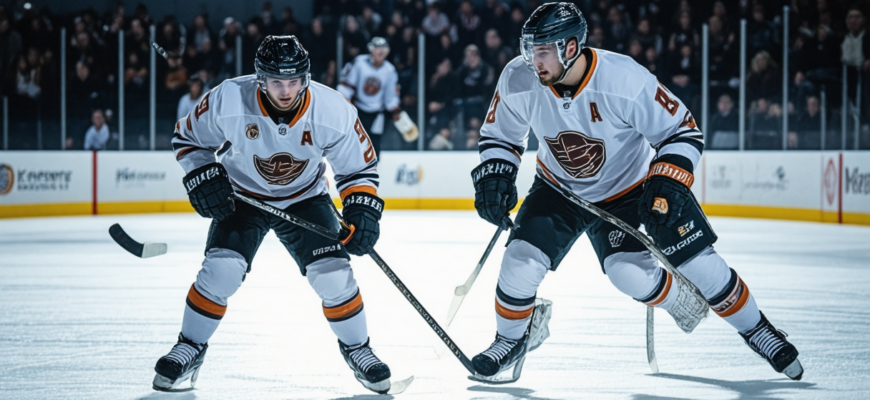
Hockey is a fast-paced and physically demanding sport that requires not only offensive skills but also robust defensive tactics. For amateur players, understanding and implementing basic defensive positioning strategies can significantly improve team performance and personal safety on the ice. Proper positioning helps prevent opponents from creating scoring opportunities, reduces the risk of penalties, and enhances overall team cohesion. In this comprehensive guide, you’ll discover the fundamental principles of defensive positioning in hockey, practical strategies to apply during gameplay, and tips to develop a solid defensive game even as a beginner.
- Understanding the Importance of Defensive Positioning in Hockey
- Core Principles of Defensive Positioning
- 1. Staying Between the Puck and the Net
- 2. Maintaining Proper Distance
- 3. Proper Skating and Body Position
- 4. Supporting Teammates
- Basic Defensive Strategies for Amateurs
- 1. The Stick Positioning Technique
- 2. The Stay-In-The-Slot Strategy
- 3. The Defensive Zone Coverage
- 4. Breakout Strategies
- Positioning During Different Game Situations
- 1. Defensive Zone Play
- 2. Neutral Zone Control
- 3. Forechecking in the Offensive Zone
- Drills to Improve Defensive Positioning
- 1. Shadow Drills
- 2. Cone and Ladder Exercises
- 3. Small-Sided Games
- 4. Shoot and Recover Drills
- Tools and Techniques to Reinforce Defensive Habits
- 1. Video Analysis
- 2. Practice with Purpose
- 3. Developing Hockey Sense
- Common Mistakes in Defensive Positioning and How to Avoid Them
- Building a Strong Defensive Foundation
Understanding the Importance of Defensive Positioning in Hockey
Defensive positioning in hockey is the foundation of effective defense. It involves positioning oneself in a way that minimizes the opponent’s scoring chances while maximizing the defender’s ability to intercept passes, block shots, and contribute to team transitions. Good defensive positioning helps maintain puck control, supports teammates, and reduces the risk of breakaways and odd-man rushes.
For amateur players, mastering these basic principles is crucial because it allows for better decision-making, improved reaction times, and increased confidence on the ice. Proper positioning also contributes to fewer penalties, as well-placed defenders are less likely to commit risky fouls trying to compensate for poor positioning.
Core Principles of Defensive Positioning
1. Staying Between the Puck and the Net
The fundamental rule of hockey defense is to always position oneself so that the offensive player is kept in front of you, with the net at your back. This ensures that you can see the puck and react appropriately to plays.
2. Maintaining Proper Distance
Defenders should keep a suitable distance from opponents—close enough to challenge and intercept, but not so close as to be easily beaten with a quick move or pass. This balance allows for quick reactions and prevents giving up easy scoring chances.
3. Proper Skating and Body Position
Keeping an athletic stance—knees slightly bent, back straight, and weight centered—enhances mobility and balance. This stance facilitates quick turns, lateral movement, and stability during contact.
4. Supporting Teammates
Defenders should always be aware of their teammates and opponents, ready to assist or reinforce as needed. Communication and positioning as a unit are vital to effective defense.
Basic Defensive Strategies for Amateurs
1. The Stick Positioning Technique
Proper use of the stick can disrupt passing lanes and block shots. Keep your stick on the ice, actively engaged in blocking passes and intercepting pucks. A well-placed stick can be the difference between conceding and stopping a scoring chance.
2. The Stay-In-The-Slot Strategy
For defensemen, maintaining a position near the slot area (the area directly in front of the net) is crucial. This spot allows quick reaction to rebounds, deflections, and cross-ice passes, providing a central point to support the goalie.
3. The Defensive Zone Coverage
- Man-to-Man Coverage: Each defender marks an opponent, following them closely. Effective when opponents are spread out or in faceoff circles.
- Box Coverage: Defenders form a “box” around the crease, covering critical areas and preventing opponents from finding open shots.
- Coverage Rotation: When opponents cycle the puck along the boards, defenders rotate to maintain coverage, ensuring no gaps form.
4. Breakout Strategies
Transitioning from defense to offense requires efficient puck clearing and passing. Good breakout strategies include:
- The Direct Pass: Quickly sending the puck to a known teammate to advance play.
- The Chip Out: Clearing the puck high off the boards or glass, allowing teammates to retrieve it in the neutral zone.
- The Support Pass: Passing to a teammate in space, avoiding pressure from opponents.
Positioning During Different Game Situations
1. Defensive Zone Play
In your own zone, focus on maintaining the proper gap, staying between opponents and the net, and supporting your goalie. Be ready to intercept passes, block shots, and clear the puck efficiently. Proper positioning reduces the likelihood of dangerous scoring chances.
2. Neutral Zone Control
Control of the neutral zone helps limit opponent’s rushes. Position yourself to cut off passing lanes and force turnovers. Patience and disciplined positioning are key here.
3. Forechecking in the Offensive Zone
While primarily an offensive tactic, effective forechecking helps regain control in the opponent’s zone, preventing breakout plays. The key is aggressive but disciplined positioning that doesn’t leave gaps in your defensive structure.
Drills to Improve Defensive Positioning
1. Shadow Drills
Practice skating alongside a teammate or coach without the puck, focusing on mirroring their movements and maintaining proper distance. Improves awareness and positioning.
2. Cone and Ladder Exercises
Enhances agility, lateral movement, and quick directional changes essential for maintaining proper defensive stance and reacting to offensive moves.
3. Small-Sided Games
Play controlled, low-pressure games emphasizing positional discipline and teamwork. Focus on maintaining optimal positioning during play transitions.
4. Shoot and Recover Drills
Practice quick shot-blocking and recovering to proper stance immediately afterward. Builds reflexes and habits for real-game situations.
Tools and Techniques to Reinforce Defensive Habits
1. Video Analysis
Review game footage to identify positioning strengths and areas for improvement. Visual feedback helps reinforce correct habits.
2. Practice with Purpose
Set clear objectives during practice sessions, emphasizing core positioning principles rather than just skating or shooting drills.
3. Developing Hockey Sense
Understanding common offensive patterns and predicting opponents’ moves allow defenders to position themselves proactively rather than reactively.
Common Mistakes in Defensive Positioning and How to Avoid Them
| Mistake | Consequence | Solution |
|---|---|---|
| Playing too close to the opponent | Getting beaten with quick moves or penalties | Maintain proper gap – approximately one stick length |
| Standing upright or being off-balance | Reduced mobility and reaction time | Adopt athletic stance with knees bent and weight centered |
| Overcommitting to the puck carrier | Leaving other areas open, creating gaps | Maintain team spacing and support teammates |
| Ignoring positioning during transitions | Allowing odd-man rushes | Focus on quick recovery and positioning during play changes |
Building a Strong Defensive Foundation
Effective defensive positioning is at the heart of successful hockey play, especially for amateur players seeking to improve their game. By understanding core principles, practicing essential drills, and avoiding common mistakes, players can develop disciplined habits that enhance both individual and team defense. Remember, hockey defense is not just about physicality but also about smart positioning, anticipation, and teamwork.
Consistent training and conscious effort in applying these strategies will lead to more confident, resilient, and effective defenders, transforming the way amateurs approach the game. In the fast-moving, dynamic environment of hockey, mastering defensive positions provides the stability and confidence necessary to excel and enjoy the game to its fullest. Keep practicing, stay disciplined, and always aim to position yourself in a way that helps your team succeed on the ice.
Похожие записи:
 Essential Offensive Strategies in Hockey for Amateur Players
  Mastering the Art of Puck Recovery: Strategies for Effective Play in Amateur Hockey
  Basic Strategies for Beginner Hockey Players: A Complete Guide for Amateur Enthusiasts
  Mastering Basic Body Positioning and Stance in Hockey: A Guide for Beginners
  Mastering the Basics: Introduction to Offsides and Icing Rules in Hockey for Amateurs
  Mastering Puck Possession: Essential Techniques for Amateur Hockey Players
  Mastering Consistency: Proven Strategies to Stay Motivated and Improve in Hockey for Amateurs
  Mastering the Fundamentals of Puck Retrieval and Chase in Hockey: Essential Skills for Amateur Players
  Mastering the Ice: The Essential Guide to Participating in Friendly Scrimmages for Hockey Amateurs
  Mastering the Art of Reading the Game in Hockey: A Guide for Amateurs
  Mastering the Art of Following a Hockey Game’s Flow: Essential Tips for Amateur Players to Improve Awareness
  Essential Safety Tips for Novice Players: Ensuring Safe and Enjoyable Hockey for Amateurs
  Mastering Precision: Essential Drills to Improve Passing Accuracy in Hockey
  Effective Passing Drills to Boost Teamwork in Hockey for Amateurs
  Mastering Passing and Receiving the Puck: Essential Skills for Amateur Hockey Players
  Mastering the Art of Anticipation: How Amateur Hockey Players Can Predict Opponents’ Moves