
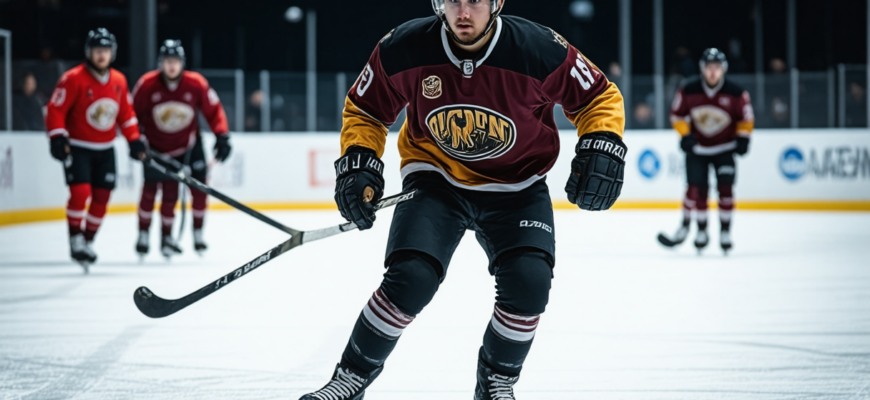
Embarking on a journey to improve in hockey, especially as an amateur, involves more than just practicing on the ice. It requires a sustained level of motivation, discipline, and strategic planning. Many enthusiasts start with enthusiasm but struggle to maintain their progress over time. This comprehensive guide explores effective methods to stay motivated and increase consistency in your hockey training, helping you advance your skills and enjoy the game more fully.
- The Importance of Motivation and Consistency in Hockey Development
- Understanding Your “Why”: The Foundation of Motivation
- Identify Personal Goals
- Connect Goals with Personal Values
- Strategies to Stay Motivated
- 1. Develop a Structured Training Routine
- 2. Track Your Progress
- 3. Find a Training Partner or Community
- 4. Celebrate Small Wins
- 5. Visualize Success
- Overcoming Common Challenges to Consistency
- 1. Dealing with Fatigue and Burnout
- 2. Managing Time Constraints
- 3. Overcoming Plateaus
- Enhancing Your Skills and Improving Consistently with Practical Tips
- Mastering Basic Skills
- Implementing Periodization in Training
- Incorporating Cross-Training
- The Role of Nutrition and Rest in Continuous Improvement
- Utilizing Technology and Tools for Better Training Results
- Video Analysis
- Training Apps and Wearables
- Building a Long-Term Improvement Plan
- Additional Resources
The Importance of Motivation and Consistency in Hockey Development
Hockey, like any sport, demands regular practice and dedication. Without motivation, progress stalls; without consistency, improvements remain fleeting. Consistency ensures that skills learned are reinforced, muscle memory develops, and confidence grows. Motivation acts as the fuel that keeps players committed during challenging times. Together, they create a powerful synergy that accelerates learning and enhances performance.
Understanding Your “Why”: The Foundation of Motivation
Identify Personal Goals
Setting clear, meaningful goals is fundamental. Whether aiming to join a local amateur league, improve skating speed, or simply enjoy casual play, identifying personal motivations provides direction. Write down specific objectives such as:
- Improve skating technique
- Enhance puck handling skills
- Build stamina and endurance
- Increase confidence during game situations
Having defined goals helps to measure progress and maintain focus during setbacks.
Connect Goals with Personal Values
Relate your hockey pursuits to personal values like health, social interaction, or competitive spirit. This emotional connection strengthens commitment and sustains motivation through difficult periods.
Strategies to Stay Motivated
1. Develop a Structured Training Routine
Consistency in training is easier achieved through structured schedules. Create a realistic plan that includes varied activities such as skating drills, strength training, and tactical exercises. Incorporate the following elements:
- Weekly Practice Sessions
- Rest and Recovery Days
- Progressive Challenges
Maintaining a routine minimizes the likelihood of skipping sessions and fosters discipline.
2. Track Your Progress
Monitoring improvements provides tangible evidence of development, boosting motivation. Use tools like training logs, apps, or spreadsheets to record metrics such as:
- Skating speed and agility times
- Number of successful puck handles in a drill
- Endurance levels during cardio workouts
Regular review of these metrics highlights achievements and highlights areas needing attention, encouraging continued effort.
3. Find a Training Partner or Community
Training with others fosters accountability and creates a supportive environment. Whether a friend, club member, or participating in local hockey groups, shared goals increase motivation. Playing with peers also introduces healthy competition, which pushes players to improve.
4. Celebrate Small Wins
Acknowledging incremental successes sustains enthusiasm. Examples include mastering a new skating technique or increasing stamina levels. Recognize these milestones openly, rewarding yourself to reinforce positive habits.
5. Visualize Success
Imaginatively visualizing game scenarios where skills are effectively utilized increases confidence. Consistent mental rehearsal can include imagining executing a perfect shot or swift puck maneuver under pressure, which prepares the brain for real-game situations and sustains motivation.
Overcoming Common Challenges to Consistency
1. Dealing with Fatigue and Burnout
Prolonged effort without rest can cause fatigue and diminish motivation. To prevent burnout:
- Incorporate adequate rest days into your schedule.
- Vary training intensity to balance hard and easy days.
- Listen to your body and adjust workloads accordingly.
2. Managing Time Constraints
Busy schedules may hinder regular practice. Solutions include:
- Short but focused sessions (20-30 minutes)
- Prioritizing hockey in weekly planning
- Using intervals and high-intensity drills to maximize effort in limited time
3. Overcoming Plateaus
Progress stagnation can be discouraging. Animal your training by:
- Trying new drills or techniques
- Seeking feedback from coaches or experienced players
- Setting new, challenging goals
Enhancing Your Skills and Improving Consistently with Practical Tips
Mastering Basic Skills
The foundation of hockey proficiency lies in core skills such as skating, puck control, shooting, and passing. Regularly practice these through drills designed for skill reinforcement:
| Skill | Effective Drills | Frequency |
|---|---|---|
| Skating | Edge work, crossovers, stop-and-start drills | 3-4 times per week |
| Puck Handling | Stickhandling in cones, one-touch puck control | 2-3 times per week |
| Shooting | Wrist shot, slap shot practice with targeted net placement | 2 times per week |
| Passing | Partner passing drills, passing through obstacles | 2-3 times per week |
Implementing Periodization in Training
Periodization involves dividing training into phases focusing on different aspects such as endurance, strength, or skills refinement. This approach prevents overtraining, manages fatigue, and promotes continuous improvement.
- Preparation Phase: Focus on building general fitness and basic skills.
- Development Phase: Increase intensity, introduce strategic drills.
- Tapering Phase: Reduce volume before major games or tournaments for peak performance.
Incorporating Cross-Training
Complement hockey training with other sports and activities to enhance overall athleticism. Examples include:
- Running and cycling for cardiovascular endurance
- Strength training focusing on legs and core
- Flexibility exercises like yoga or stretching routines
The Role of Nutrition and Rest in Continuous Improvement
Proper nutrition fuels training and aids recovery. A balanced diet rich in proteins, carbohydrates, fats, and micronutrients supports muscle repair and energy levels. Hydration is equally vital, particularly after intense workouts.
Rest and sleep are crucial components. Quality sleep during 7-9 hours per night allows the body to regenerate, consolidates learning, and maintains motivation levels. Active recovery, including light movement and stretching, can enhance muscle healing.
Utilizing Technology and Tools for Better Training Results
Video Analysis
Recording training sessions and reviewing footage can reveal technical flaws and track progress visually. This method enables targeted improvements and boosts confidence.
Training Apps and Wearables
Fitness trackers and hockey-specific apps can monitor metrics such as heart rate, skating speed, and workout duration, making it easier to set goals and measure growth effectively.
Building a Long-Term Improvement Plan
- Set SMART Goals: Specific, Measurable, Achievable, Relevant, Time-bound.
- Create a Training Schedule: Allocate consistent days and times for practice.
- Regularly Review and Adjust: Adapt your plan based on progress, challenges, and changing goals.
- Stay Patient and Persistent: Recognize that skill development takes time and effort.
Consistent improvement in hockey for amateurs is a multifaceted process that intertwines motivation, structured training, proper rest, and continual learning. By understanding personal goals, maintaining a disciplined routine, tracking progress, and overcoming obstacles, amateur players can unlock their potential and enjoy the sport at a higher level. Strengthening motivation and cultivating habits of consistency turn sporadic practice into meaningful growth, leading not only to better hockey skills but also increased enjoyment and personal satisfaction.
Additional Resources
- Hockey drills for skill improvement
- Nutrition tips for athletes
- Effective workout plans for hockey players
- Top hockey equipment for amateurs
Похожие записи:
 How to Stay Motivated as a Beginner Hockey Player: Tips for Amateur Enthusiasts
  Mastering the Ice: Essential Defensive Positioning Strategies in Hockey for Amateurs
  Mastering Concentration: Proven Tips to Maintain Mental Focus During Hockey Games
  Mastering Precision: Essential Drills to Improve Passing Accuracy in Hockey
  The Ultimate Guide to Maintaining Your Hockey Equipment: Stay Safe and Improve Performance
  Simple Drill Routines for Consistent Improvement in Hockey for Amateurs
  Mastering the Art of Puck Recovery: Strategies for Effective Play in Amateur Hockey
  Essential Stickhandling Drills for New Hockey Players: Improve Your Skills on Ice
  Mastering the Art of Reading the Game in Hockey: A Guide for Amateurs
  Mastering the Art of Following a Hockey Game’s Flow: Essential Tips for Amateur Players to Improve Awareness
  Mastering the Basics: Wrist Shot and Slap Shot Techniques in Hockey for Amateurs
  Mastering Fast Reflexes: Unlock Your Potential as a Hockey Goaltender
  Essential Offensive Strategies in Hockey for Amateur Players
  Mastering the Ice: The Essential Guide to Participating in Friendly Scrimmages for Hockey Amateurs
  Mastering the Basics: Introduction to Offsides and Icing Rules in Hockey for Amateurs
  Simple and Effective Ways to Improve Your Balance on Skates for Amateur Hockey Players