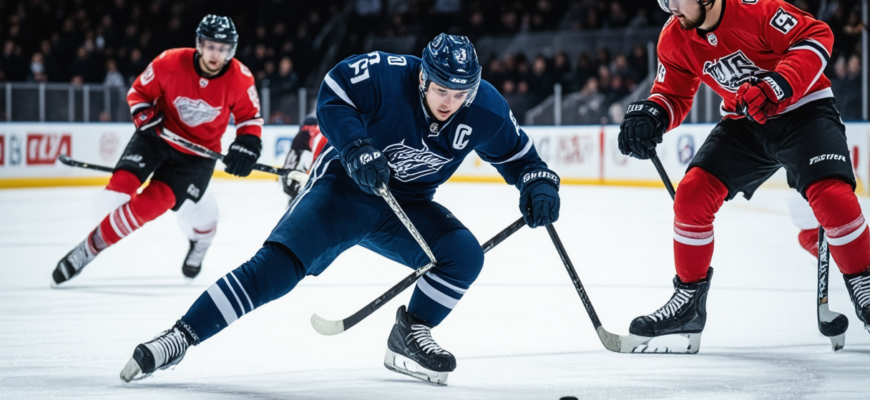
In the fast-paced world of hockey, gaining control of the puck after a turnover or losing possession is critical to maintaining offensive pressure and preventing the opposition from creating scoring opportunities. For amateur players looking to elevate their game, understanding the nuances of puck recovery can significantly improve overall performance and team effectiveness. This comprehensive guide explores techniques, tactics, and drills to help players recover the puck more efficiently and confidently on the ice.
- Understanding the Importance of Puck Recovery
- Fundamental Principles of Puck Recovery
- 1. Positioning
- 2. Angling
- 3. Speed and Agility
- 4. Stick Positioning
- 5. Situational Awareness
- Techniques for Effective Puck Recovery
- Hockey Stance and Body Position
- Intercepting Passes
- Forechecking
- Stick Checks and Poke Checks
- Body Checks and Physical Play
- Backchecking and Defensive Recovery
- Strategic Tips for Better Puck Recovery
- 1. Play Smart and Predict Opponent Moves
- 2. Communicate with Teammates
- 3. Maintain Proper Gap Control
- 4. Use the Ice and Boards to Your Advantage
- 5. Transition Quickly from Defense to Offense
- Drills to Improve Puck Recovery Skills
- 1. Puck Interception Drill
- 2. Neutral Zone Pressure Drill
- 3. Cone Slalom with Stick Checks
- 4. 2-on-1 Shadow Play
- 5. Reaction and Agility Exercises
- Utilizing Advanced Concepts for Amateur Players
- 1. Reading the Play
- 2. Zone Control
- 3. Mindset and Confidence
- Common Mistakes in Puck Recovery and How to Avoid Them
- Overcommitment
- Failure to Read the Play
- Incorrect Stick Usage
- Neglecting Defensive Responsibilities
- Elevating Your Puck Recovery Game
- Final Tips for Success
Understanding the Importance of Puck Recovery
Before delving into strategies and techniques, it’s vital to comprehend why puck recovery matters. The ability to quickly and effectively regain control of the puck often determines the momentum of the game. Teams that excel at puck retrieval can shift from defense to offense seamlessly, capitalize on turnovers, and limit opponents’ scoring chances.
Key benefits of mastering puck recovery include:
- Minimizing opponent’s scoring opportunities
- Maintaining offensive pressure
- Increasing possession time
- Building confidence in defensive plays
Fundamental Principles of Puck Recovery
Effective puck recovery relies on several core principles that all players should understand and incorporate into their game:
1. Positioning
Proper positioning allows players to anticipate where the puck might go and to be in the optimal spot for a quick recovery. This involves reading the play, understanding opponents’ tendencies, and maintaining a balanced stance.
2. Angling
Positioning oneself at an angle that directs the puck carrier toward the boards or away from dangerous areas makes recovery easier and limits the opponent’s options.
3. Speed and Agility
Quick skate bursts and agile movements enable players to close gaps rapidly and recover the puck before opponents can regain control.
4. Stick Positioning
Keeping the stick on the ice and in the passing lanes is essential for intercepting passes and poking the puck away.
5. Situational Awareness
Constant awareness of teammates, opponents, and puck location is critical to making smart decisions during puck retrieval.
Techniques for Effective Puck Recovery
Implementing specific techniques can enhance a player’s ability to recover the puck efficiently. Here are some of the most effective methods:
Hockey Stance and Body Position
Maintaining a low, balanced stance ensures agility and readiness. Feet shoulder-width apart, knees slightly bent, and weight forward help in quick directional changes and stability.
Intercepting Passes
Anticipate opponent passes by reading body language and ice movement. Use stick positioning to deflect or intercept passes, disrupting their offensive flow.
Forechecking
Applying pressure close to the opponent’s zone aims to recover the puck early in their offensive attempt. There are different styles:
- Loop Forecheck: Moving in a circular pattern around the offensive zone.
- Horizontal Forecheck: Covering the width of the ice to cut passing lanes.
- Pinch Forecheck: Aggressively forechecking along the boards to force turnovers.
Stick Checks and Poke Checks
Using the stick to poke the puck away is a fundamental defensive move. The key is timing and angle to avoid penalties and steal the puck cleanly.
Body Checks and Physical Play
While body contact should adhere to safety rules, strategic body checks can separate opponents from the puck and create recovery opportunities.
Backchecking and Defensive Recovery
When defending, players should track back quickly, position themselves between the puck carrier and the net, and use their body to block passing lanes.
Strategic Tips for Better Puck Recovery
Beyond individual techniques, strategic play enhances puck recovery efficiency. Here are some vital tips:
1. Play Smart and Predict Opponent Moves
Observe opponents’ patterns, anticipate passes, and position yourself accordingly to intercept or challenge their plays.
2. Communicate with Teammates
Effective communication helps coordinate puck retrieval efforts, assign pressure zones, and avoid overlap or leaving gaps.
3. Maintain Proper Gap Control
Controlling the distance between yourself and the opponent prevents them from escaping or getting open for passes.
4. Use the Ice and Boards to Your Advantage
Utilize the boards to trap opponents and direct the puck into less advantageous areas for recovery.
5. Transition Quickly from Defense to Offense
Once the puck is recovered, immediate transition into offensive play catches opponents off guard and sets up scoring chances.
Drills to Improve Puck Recovery Skills
Consistent practice with targeted drills can significantly enhance puck recovery proficiency. Here are some effective exercises:
1. Puck Interception Drill
- Players form pairs, with one holding the puck and the other practicing poke checks.
- Practice reading passes and executing timely poke checks to intercept.
- Switch roles periodically.
2. Neutral Zone Pressure Drill
- Players work on applying forechecking pressure in the neutral zone.
- Focus on angling, stick checks, and quick transitions.
3. Cone Slalom with Stick Checks
- Set up cones in a zigzag pattern.
- Players skate through, performing stick checks and quick turns to simulate puck recovery under pressure.
4. 2-on-1 Shadow Play
- Two offensive players against a defender practicing intercepting passes and recovering the puck.
- Emphasize communication and positioning.
5. Reaction and Agility Exercises
- Use reaction balls or partner commands to improve quick response and agility.
Utilizing Advanced Concepts for Amateur Players
While advanced tactics may seem daunting, incorporating some of these concepts can provide an edge:
1. Reading the Play
Learn to anticipate opponents’ actions by observing their body language, stick position, and past tendencies.
2. Zone Control
Maintain optimal positioning in key areas like the points, slot, and along the boards to facilitate quick puck recovery.
3. Mindset and Confidence
Develop confidence by practicing consistently, which allows for quicker decision-making during high-pressure moments.
Common Mistakes in Puck Recovery and How to Avoid Them
Overcommitment
Chasing the puck aggressively without proper positioning can leave gaps for opponents. Always balance aggression with awareness.
Failure to Read the Play
Reacting late or to the wrong cue results in missed opportunities. Focus on anticipation rather than reaction alone.
Incorrect Stick Usage
Improper poke checks can lead to penalties or missed steals. Practice proper technique to minimize risks.
Neglecting Defensive Responsibilities
Always remember that puck recovery is part of team defense; don’t forget to support teammates and protect dangerous areas.
Elevating Your Puck Recovery Game
Mastering puck recovery requires a combination of sound positioning, technical skills, strategic thinking, and consistent practice. By understanding core principles, applying effective techniques, and participating in targeted drills, amateur hockey players can significantly improve their ability to regain control of the puck under pressure. As players develop confidence and intuition on the ice, their overall game will become more dynamic, versatile, and impactful—laying a strong foundation for success at every level of amateur hockey.
Final Tips for Success
- Stay patient and disciplined during puck battles.
- Continuously observe and learn from experienced players.
- Integrate puck recovery drills into regular practice routines.
- Maintain a positive mindset focused on growth and improvement.
With dedication and strategic practice, effective puck recovery can become one of your most powerful tools on the ice—transforming your gameplay and contributing to team triumphs in amateur hockey leagues.
Похожие записи:
 Mastering Puck Possession: Essential Techniques for Amateur Hockey Players
  Mastering the Fundamentals of Puck Retrieval and Chase in Hockey: Essential Skills for Amateur Players
  Mastering the Ice: Essential Defensive Positioning Strategies in Hockey for Amateurs
  Effective Simple Drills to Boost Puck Control and Agility for Amateur Hockey Players
  Essential Offensive Strategies in Hockey for Amateur Players
  Basic Strategies for Beginner Hockey Players: A Complete Guide for Amateur Enthusiasts
  Mastering Passing and Receiving the Puck: Essential Skills for Amateur Hockey Players
  Mastering the Art of Effective Ice Stops: Essential Techniques for Amateur Hockey Players
  Effective Passing Drills to Boost Teamwork in Hockey for Amateurs
  Mastering the Art of Dodging and Avoiding Opponents in Hockey: Tips for Amateur Players
  Building Confidence in Your Skating and Puck Skills: A Complete Guide for Amateur Hockey Players
  Mastering the Art of Anticipation: How Amateur Hockey Players Can Predict Opponents’ Moves
  Mastering Faceoff Techniques: A Comprehensive Guide for Amateur Hockey Enthusiasts
  Mastering the Art of Reading the Game in Hockey: A Guide for Amateurs
  Simple and Effective Ways to Improve Your Balance on Skates for Amateur Hockey Players
  Mastering Precision: Essential Drills to Improve Passing Accuracy in Hockey