
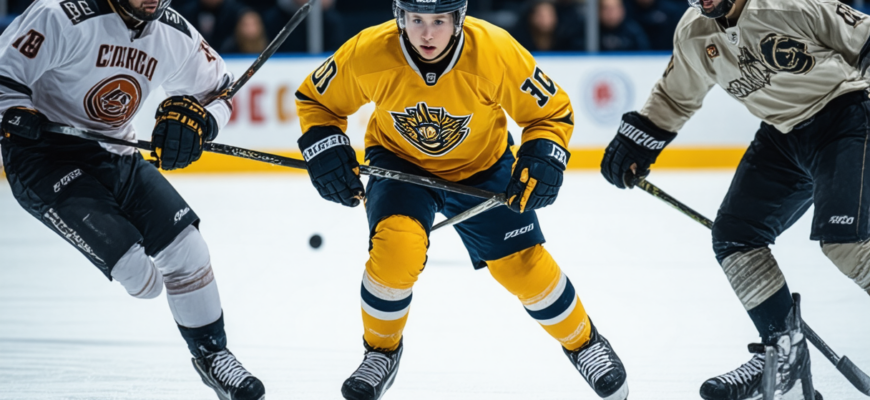
Hockey is a dynamic sport that demands agility, quick thinking, and excellent puck-handling skills. One of the most critical abilities for amateur players aiming to elevate their game is the capacity to dodge and avoid opponents effectively. Mastering these techniques allows players to maintain possession, create scoring opportunities, and improve overall gameplay. This comprehensive guide explores various techniques, strategies, and drills tailored for amateur hockey enthusiasts who wish to enhance their dodging and evasion skills.
- Understanding the Importance of Dodging and Avoiding Opponents
- Foundational Skills for Dodging and Evasion
- Techniques for Dodging Opponents in Hockey
- 1. Shifty Moves (The Fake and Quick Change of Direction)
- How to perform it:
- 2. Spin Move (The 360° Evasion)
- Execution steps:
- 3. The Cruz (The Lateral Shuffle)
- How to execute:
- 4. The Deke (Feint and Dribble)
- Steps to master the deke:
- Strategies to Improve Your Evasion Skills
- 1. Positioning and Spatial Awareness
- 2. Learning to Read Opponents’ Body Language
- 3. Effective Use of Space
- Drills to Enhance Dodging and Evasion Skills
- 1. Cone Drills for Edge Control and Quick Turns
- 2. Partner Evasion Exercises
- 3. Small-Space Drills
- Tips for Maximizing Evasion Effectiveness in Gameplay
- 1. Keep Calm Under Pressure
- 2. Use Fakes and Misdirection
- 3. Accelerate After a Move
- Common Mistakes to Avoid
- Elevating Your Game Through Effective Evasion Techniques
Understanding the Importance of Dodging and Avoiding Opponents
In the fast-paced world of hockey, players frequently find themselves in tight situations where opponents attempt to intervene or take control of the puck. The ability to dodge opponents is not merely about physical agility; it also involves anticipation, vision, and decision-making. Effective dodging can:
- Maintain puck possession under pressure
- Create scoring opportunities by eluding defenders
- Prevent turnovers and counterattacks
- Enhance overall agility and confidence on ice
For amateur players, these skills are vital stepping stones to advanced play. Learning to avoid opponents without losing control of the puck makes the game more enjoyable and strategically effective.
Foundational Skills for Dodging and Evasion
Before diving into specific techniques, it is essential to develop certain foundational skills:
- Balance and posture: Maintaining a low center of gravity improves stability and agility.
- Edge control: Mastery of inside and outside edges of the skates facilitates quick turns and direction changes.
- Puck control: Close puck handling ensures that players retain possession during evasive maneuvers.
- Vision and awareness: Constantly monitoring opponents and teammates allows quick responses in tight situations.
Techniques for Dodging Opponents in Hockey
1. Shifty Moves (The Fake and Quick Change of Direction)
One of the most effective methods for deceiving opponents is the quick fake combined with a sudden change in direction. This move relies on reading the defender and exploiting their anticipation.
How to perform it:
- Approach the defender with the puck, maintaining a balanced stance.
- Simulate a move in one direction—lean slightly and shift your weight.
- At the last moment, abruptly redirect and accelerate in the opposite direction.
- Use your edges to make tight turns, increasing the effectiveness of the fake.
Tip: Incorporate shoulder fakes and head movements to increase deception. Practice this move at different speeds for better unpredictability.
2. Spin Move (The 360° Evasion)
The spin move is particularly useful when encountering multiple opponents or when space is limited. It involves turning around quickly to leave an opponent behind.
Execution steps:
- Slow down slightly when approaching an opponent.
- Plant your inside foot firmly and pivot while turning your head and shoulders.
- Complete the full rotation, keeping the puck close to your body.
- Accelerate immediately after the spin to exit the move effectively.
Practice the spin move on one side before attempting it on both sides to build muscle memory.
3. The Cruz (The Lateral Shuffle)
This move aims at shifting the puck laterally to bypass a defender while maintaining control.
How to execute:
- Use short, quick pushes with your skates to shuffle left or right.
- Keep your knees slightly bent and stay low for balance.
- Maintain puck control by keeping the stick close to the puck.
- Combine lateral shuffles with sudden accelerations for maximum effect.
4. The Deke (Feint and Dribble)
The deke relies on psychological misdirection to fool the opponent, often combined with quick puck handling.
Steps to master the deke:
- Approach the defender with the puck calmly.
- Use body language to indicate a move in one direction.
- Quickly pull the puck back or to the side, simulating a pass or shot.
- Accelerate in the opposite direction once the defender commits.
Note: Variations like the “toe drag” or “push pass” enhance the realism of the deke and are valuable additions.
Strategies to Improve Your Evasion Skills
1. Positioning and Spatial Awareness
Anticipation is key in dodging opponents. Players should focus on maintaining good positioning to minimize risks. Keeping an eye on the opponents’ hips and stick positioning provides better indicators of their intentions.
2. Learning to Read Opponents’ Body Language
Experienced players can often predict movements based on opponents’ body posture—leaning forward indicates a potential attack, while a subtle shift hints at a fake move. Recognizing these cues allows proactive evasive actions.
3. Effective Use of Space
Creating or exploiting open space is vital. Smart players use puck movement to draw opponents out of position, opening lanes for dodging and advancing.
Drills to Enhance Dodging and Evasion Skills
1. Cone Drills for Edge Control and Quick Turns
| Equipment | Description |
|---|---|
| Cone Set | Place cones in zigzag pattern across the ice. |
| Objective | Skate through the cones focusing on tight turns and edge control. |
| Tips | Vary speed and direction; practice both inside and outside edge turns. |
2. Partner Evasion Exercises
- One player acts as the defender, the other as the attacker with the puck.
- The attacker practices fake moves, spins, and lateral shuffles to elude the defender.
- Switch roles and repeat.
- Goals include maintaining puck control and timing moves effectively.
3. Small-Space Drills
Set up a small area using cones or rink markers. Players practice tight puck handling and evasive moves within limited space, simulating game situations close to the boards or in traffic.
Tips for Maximizing Evasion Effectiveness in Gameplay
1. Keep Calm Under Pressure
Maintaining composure allows players to think clearly and select the most appropriate move. Panicking leads to mistakes or losing the puck.
2. Use Fakes and Misdirection
Regularly incorporate head and body fakes to mislead defenders, creating space for movement.
3. Accelerate After a Move
Many defensive plays break down once the attacker accelerates immediately after dodging, catching defenders off-guard.
Common Mistakes to Avoid
- Overcommitting to a fake move, losing balance.
- Neglecting puck control during evasive maneuvers.
- Failing to anticipate opponents’ reactions.
- Ignoring the importance of positioning and spacing.
Elevating Your Game Through Effective Evasion Techniques
Dodging and avoiding opponents in hockey is a vital aspect of playing at any level. For amateurs, developing these skills involves consistent practice, understanding fundamental principles, and strategically applying various techniques during gameplay. By mastering fake moves, spins, lateral shuffles, and dekes, players can significantly improve their agility and effectiveness on ice. Incorporating regular drills, maintaining awareness of opponents’ body language, and practicing under realistic conditions will gradually enhance evasion skills, making gameplay more exciting and competitive.
Remember, patience and persistence are key. As skills develop, so will confidence, turning evasive tactics into second nature, ultimately contributing to a more enjoyable and successful hockey experience.
Похожие записи:
 Mastering the Art of Anticipation: How Amateur Hockey Players Can Predict Opponents’ Moves
  Mastering Puck Possession: Essential Techniques for Amateur Hockey Players
  Mastering the Art of Following a Hockey Game’s Flow: Essential Tips for Amateur Players to Improve Awareness
  Effective Simple Drills to Boost Puck Control and Agility for Amateur Hockey Players
  Mastering the Fundamentals of Puck Retrieval and Chase in Hockey: Essential Skills for Amateur Players
  Essential Stickhandling Drills for New Hockey Players: Improve Your Skills on Ice
  Mastering Balance and Stability: Essential Techniques for Amateur Hockey Players
  Essential Offensive Strategies in Hockey for Amateur Players
  Essential Safety Tips for Novice Players: Ensuring Safe and Enjoyable Hockey for Amateurs
  Essential Helmet Safety Tips for Amateur Hockey Players: Protect Yourself on the Ice
  Mastering the Art of Puck Recovery: Strategies for Effective Play in Amateur Hockey
  Mastering Passing and Receiving the Puck: Essential Skills for Amateur Hockey Players
  Mastering the Art of Effective Ice Stops: Essential Techniques for Amateur Hockey Players
  Mastering Hockey Shooting Techniques from Different Angles: A Guide for Amateurs
  Mastering the Ice: Essential Defensive Positioning Strategies in Hockey for Amateurs
  Mastering Precision: Essential Drills to Improve Passing Accuracy in Hockey